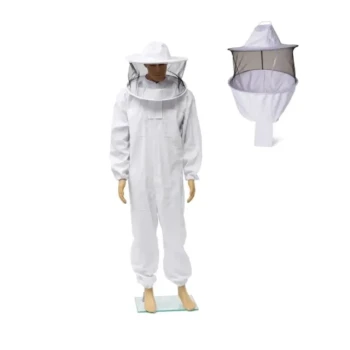
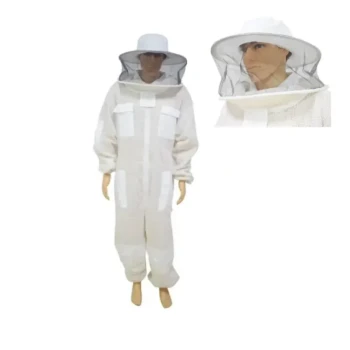
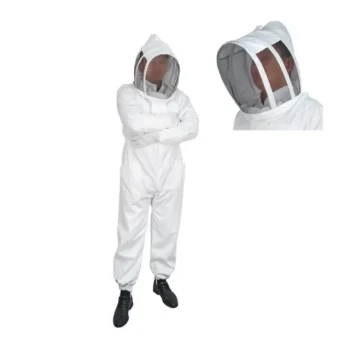
Choosing the correct bee suit creates a vital barrier between you and the hive. The general rule is to select a size slightly larger than what you normally wear, ensuring the fit is baggy enough to be worn over your regular clothes. This looseness prevents the fabric from pulling tight against your skin, which is essential for both protection and ease of movement.
A bee suit is a functional tool that must remain comfortable for an hour or more. The ideal fit offers generous room for movement, ensuring your wrists and ankles remain fully covered even when you are stretching or bending.
Mastering the Fit
The Necessity of Oversizing
Bee suits are expressly designed to be worn as an outer layer over your street clothes.
To accommodate this, you should intentionally choose a size larger than your standard measurement.
A baggy fit is safer because it keeps the fabric suspended away from your skin, making it significantly harder for a stinger to make contact with your body.
Checking Your Range of Motion
Beekeeping involves physical labor, often requiring you to work in awkward positions for extended periods.
Ensure the suit provides plenty of room to move freely without restriction.
If the suit pulls tight across your back or shoulders when you move, it is too small and will likely cause fatigue or safety issues.
Critical Coverage Points
The Crouch Test
The most common point of failure in a suit's fit occurs when you change your body position.
You must test the suit by crouching, bending, and stretching to simulate hive work.
The suit must have additional length in the limbs so that your ankles and wrists remain completely covered during these movements.
Securing the Gaps
Modern designs often include zippered or elastic ankles to create a tight seal.
This feature is critical to prevent bees from crawling up inside the legs of the suit, especially when the fabric rides up during bending.
Materials and Durability
Fabric Selection
A standard bee suit is typically constructed from a polyester-cotton blend.
This combination is chosen to offer durability against the wear and tear of apiary work.
It also balances protection with the necessary comfort required for wearing the suit for more than an hour at a time.
Functional Add-ons
Look for practical improvements in modern suit designs that aid your workflow.
Large pockets are highly recommended for holding hive tools, queens cages, or markers.
Common Pitfalls to Avoid
Ignoring the "Ride Up" Factor
Many beekeepers make the mistake of judging the fit while standing perfectly still in front of a mirror.
If the suit fits perfectly while standing, it will likely be too short when you bend down to lift a hive box.
Prioritizing a Tailored Look
A form-fitting aesthetic is dangerous in an apiary environment.
If the fabric sits flush against your skin, a bee can sting through it; volume and air space are your primary defenses.
Making the Right Choice for Your Goal
To select the best suit for your needs, consider how you intend to work:
- If your primary focus is maximum protection: Prioritize a baggy fit by sizing up, ensuring the fabric creates a consistent gap between the suit and your skin.
- If your primary focus is working comfort: rigorously test the suit's length by crouching; you should never feel the fabric tugging at your ankles or wrists.
The best bee suit is one that provides security through ample coverage, allowing you to move with confidence.
Summary Table:
| Feature | Guideline | Purpose |
|---|---|---|
| Sizing | One size larger than street clothes | Creates a protective air gap and allows for layering. |
| Fit | Loose and baggy | Prevents stingers from reaching the skin through the fabric. |
| Range of Motion | Extra length in limbs | Keeps wrists and ankles covered while bending or crouching. |
| Material | Polyester-Cotton blend | Balances durability with comfort for long-duration work. |
| Seal Type | Elastic or zippered closures | Prevents bees from crawling into gaps at wrists and ankles. |
Elevate Your Apiary Operations with HONESTBEE
Choosing the right protective gear is just the beginning. At HONESTBEE, we cater to commercial apiaries and professional distributors with a comprehensive wholesale offering designed to scale your business.
Our portfolio includes:
- Professional Protective Gear: High-quality, durable bee suits designed for maximum safety and range of motion.
- Advanced Machinery: Hive-making and honey-filling machines to streamline your production.
- Essential Consumables: A wide array of beekeeping tools and industry essentials.
- Cultural Merchandise: Unique honey-themed merchandise to expand your retail appeal.
Whether you are stocking a distribution network or outfitting a large-scale commercial operation, we provide the hardware and expertise you need to succeed.
Ready to upgrade your equipment? Contact us today to discuss our wholesale solutions and bulk pricing.
Related Products
- Professional Cotton Beekeeper Suit with Round Veil Design for Commercial Apiaries
- Premium Three Layer Ventilated Bee Suit with Round Veil
- Professional Beekeeper Suit with Square Folding Cotton Veil
- Premium Cotton Beekeeper Suit with Reinforced Fencing Veil
- Three-Layer Ventilated Beekeeper Suit with Structured Fencing Veil
People Also Ask
- What material and design specifications are recommended for a high-quality beekeeper suit? Top Gear Selection Guide
- How to Pre-treat Propolis Stains on Beekeeping Suits? Master Advanced Fabric Care and Soil Removal
- Why is it important to keep a beekeeping suit clean? Essential Safety & Maintenance Tips
- Is it generally safe to wash a beekeeping suit in a washing machine? Maintain Your Safety Gear Properly
- What are the primary functional requirements for a beekeeping suit to ensure user safety? Professional Sourcing Guide