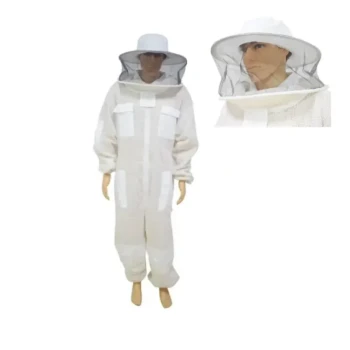
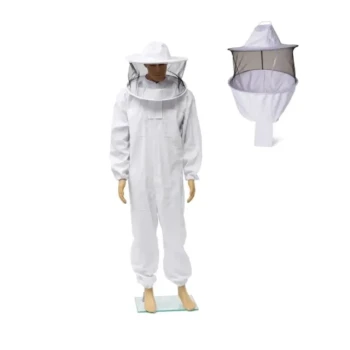
The beekeeper's hat veil is primarily defined by a design that utilizes lightweight, protective fabric integrated with a specialized fine mesh. This construction prioritizes two critical functions: ensuring the beekeeper has excellent visibility to safely inspect the hive, and allowing significant air circulation to maintain comfort during work.
The core design challenge of a beekeeper’s veil is balancing absolute isolation with sensory awareness; it must create an impenetrable barrier against stings without blinding the wearer or causing overheating.
Optimizing Visibility and Airflow
The Importance of Fine Mesh
The primary reference highlights that the veil relies on a fine mesh structure. This specific weave is tight enough to prevent bees from entering but open enough to ensure the beekeeper can see detailed hive elements clearly.
Regulating Temperature
Beekeeping often occurs in warm weather, making heat management critical. The design prioritizes fresh air circulation through the mesh to prevent fogging and overheating.
Lightweight Materials
To reduce fatigue during long inspections, the veil is constructed from lightweight fabrics. This ensures the gear does not become a physical burden while the beekeeper is maneuvering heavy hive boxes.
Structural Features for Stability and Safety
Wide-Brimmed Hat Integration
While the mesh provides the barrier, the wide-brimmed hat provides the structure. The brim acts as a spacer, holding the mesh away from the face and neck so stings cannot reach the skin through the netting.
Reinforced Edges
To maintain shape and durability, the design often includes reinforced top and bottom brims. This prevents the veil from collapsing against the skin during windy conditions or sudden movements.
Secure Fastening Systems
A loose veil is a safety hazard. Designs typically feature elastic shoulder straps, metal buckles, or flexible bands to keep the veil anchored securely to the wearer's body.
Chin Straps for Stability
To prevent the hat from shifting while looking down into a hive, a chin strap is often included. This ensures the visual field remains stable and the protective seal remains intact.
Comprehensive Coverage Zones
Protecting Vital Areas
The design is specifically engineered to shield the most sensitive areas: the head, face, and neck.
Shoulder Extension
The mesh does not stop at the chin; it is designed to hang down past the shoulders. This "oversized" approach ensures that even if the beekeeper lifts their arms, the protective overlap remains consistent.
Understanding the Trade-offs
Visibility vs. Protection
While fine mesh offers protection, it can obscure vision if the lighting is poor. High-visibility mesh attempts to mitigate this, but users must ensure the weave is not so loose that it compromises safety.
Airflow vs. Penetration
A highly breathable veil allows for great air circulation, but lighter fabrics may be less durable against snagging. A tear in a lightweight veil compromises the entire protective system immediately.
Making the Right Choice for Your Goal
Selecting the right veil design depends on your specific environment and experience level.
- If your primary focus is working in high heat: Prioritize a design with a fine, high-visibility mesh and lightweight fabric to maximize airflow and minimize heat exhaustion.
- If your primary focus is maximum security: Choose a veil with reinforced brims and elastic shoulder straps to ensure the mesh never touches your skin, regardless of your movement.
The best design is one that disappears from your awareness, allowing you to focus entirely on the bees rather than your gear.
Summary Table:
| Feature | Function & Benefit |
|---|---|
| Fine Mesh Weave | Ensures high visibility while preventing bee penetration |
| Wide-Brimmed Hat | Acts as a spacer to keep netting away from the face and skin |
| Lightweight Fabric | Minimizes fatigue and maximizes comfort during long inspections |
| Reinforced Edges | Maintains structural integrity in wind and prevents mesh collapse |
| Fastening Systems | Elastic straps and chin bands ensure a secure, stable fit |
| Shoulder Extension | Provides comprehensive coverage for the neck and upper torso |
Elevate Your Beekeeping Operations with HONESTBEE
At HONESTBEE, we specialize in empowering commercial apiaries and distributors with premium-grade beekeeping solutions. From high-performance protective gear like our advanced veil designs to industrial-scale hive-making and honey-filling machinery, we provide the full spectrum of tools you need to scale your business.
Our value to you:
- Wholesale Excellence: Competitive pricing on a comprehensive inventory of beekeeping hardware and consumables.
- Industry Innovation: Access to specialized machinery and unique honey-themed cultural merchandise.
- Reliable Partnership: Expert support tailored to the needs of large-scale operations and distributors.
Ready to upgrade your equipment or stock your shelves? Contact us today to discuss your wholesale needs and see how HONESTBEE can drive your success.
Related Products
- Premium Cowboy Beekeeper Hat with Visibility Veil Outdoor Professional Beekeeping Protective Gear
- Beekeeper Cowboy Hat and Veil for Beekeeping
- High-Definition Beekeeper Hat with Round Veil Mesh for Beekeeping
- Square Folding Beekeeping Hat with Integrated Veil
- Rigid Pith Style Beekeeper Hat for Square Folding Veils
People Also Ask
- What design features contribute to the stability and fit of the beekeeper hat? Key Features for Maximum Hive Safety
- How is the beekeeper hat designed for comfort and practicality? Explore Key Features for Enhanced Apiary Safety
- What is the general protective gear recommendation for new beekeepers? Your Essential Beginner's Safety Guide
- How does beekeeping protective gear facilitate the queen bee selection process? Enhancing Precision in Queen Breeding
- What should beekeepers consider when choosing protective gear? A Guide for Maximum Safety & Comfort