Successful initial care for honeybee packages relies on three pivotal steps: minimizing stress during transport and arrival, installing the colony into the hive as quickly as weather allows, and providing immediate supplemental nutrition to jumpstart the colony's establishment. Managing these factors correctly determines whether the colony will thrive or fail in its first few weeks.
The core objective is to transition the bees from a high-stress state of confinement to a stable environment as efficiently as possible. Success hinges on regulating temperature before installation and providing immediate resources so the colony can begin building comb without delay.
Minimizing Stress Before Installation
Managing Temperature and Conditions
Upon arrival, the bees in the package are in a vulnerable state. It is critical to minimize transport stress by carefully managing the temperature and physical conditions of the screened box.
Extreme heat or cold during this period can severely weaken the colony. Ensure the package is kept in a cool, dark, and well-ventilated area until you are ready to install them.
The Installation Process
Timing the Transfer
You must install the bees into their permanent hive as soon as weather permits. Prolonged confinement in the shipping package increases stress and mortality rates.
Ideally, choose a time when the weather is mild to prevent chilling the bees during the transfer.
Understanding Queen Acclimation
A standard package includes a mated queen housed in a separate, small cage with attendants. This separation is intentional.
It allows the worker bees to acclimate to the queen's pheromones during transport without risking rejection or aggression. When installing, you are not just dumping bees; you are facilitating the final stage of this introduction.
Supporting Early Establishment
Supplemental Feeding
Once installed, a package colony has no food stores and no drawn comb. You must provide supplemental feeding immediately.
This nutrition is vital not just for survival, but to stimulate the wax glands required to build the comb where the queen will lay eggs.
Active Monitoring
After installation and feeding, you must monitor the colony to ensure it is establishing itself. Check that the bees are accepting the food and that the queen has been released from her cage and is laying.
Common Pitfalls to Avoid
Delaying Installation
Waiting too long to move bees from the package to the hive is a frequent error. Every hour spent in the package depletes their energy reserves and increases stress.
Underestimating Nutritional Needs
Do not assume a new package can forage enough to survive immediately. Without drawn comb, they have nowhere to store nectar.
Failing to provide syrup immediately can stall colony growth or lead to starvation, even if flowers are blooming nearby.
Making the Right Choice for Your Goal
To ensure your new colony has the best chance of survival, tailor your actions to these priorities:
- If your primary focus is rapid colony growth: Prioritize heavy supplemental feeding immediately after installation to fuel wax production and comb building.
- If your primary focus is queen survival: Ensure the weather is calm during installation and that the queen cage is positioned correctly to allow for proper pheromone distribution.
Effective package management turns a box of displaced bees into a functioning, self-sustaining colony.
Summary Table:
| Key Factor | Action Required | Desired Outcome |
|---|---|---|
| Temperature | Keep in cool, dark, ventilated area | Minimize transport stress and mortality |
| Installation | Transfer to hive as soon as weather permits | Reduce confinement stress and depletion |
| Nutrition | Provide heavy supplemental syrup immediately | Stimulate wax production and comb building |
| Queen Care | Monitor pheromone acclimation and release | Ensure queen acceptance and egg-laying |
| Monitoring | Check food uptake and queen status | Confirm successful colony establishment |
Maximize Your Apiary’s Success with HONESTBEE
Transitioning new honeybee packages requires precision and the right equipment to ensure long-term productivity. At HONESTBEE, we specialize in supporting commercial apiaries and distributors by providing the industry’s most comprehensive range of wholesale beekeeping solutions. From high-quality hives that provide the perfect environment for new colonies to advanced honey-filling machinery and essential consumables, we have everything you need to scale your operations.
Ready to elevate your beekeeping business? Our team is dedicated to providing specialized hardware and expert guidance to help your colonies thrive. Contact us today to explore our full spectrum of tools and equipment tailored for professional beekeeping success.
Related Products
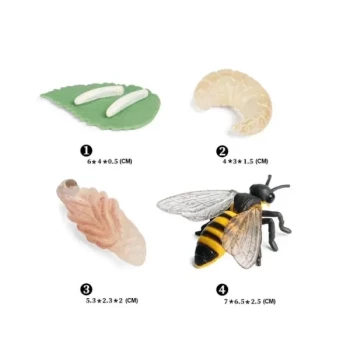
- Honey Bee Life Cycle Model 4 Stage Educational Set for Kids Learning
- HONESTBEE AC Powered Wire Embedder with Alligator Clips
- Professional Frame Preparation: The HONESTBEE Electric Wire Embedder
- Iconic Maya the Bee Mascot Costume Professional Engaging Character Outfit
- Honey Bee Lifecycle Model: A Detailed Honeycomb Display of Bee Development
People Also Ask
- How do honey bees utilize water to regulate the internal temperature of the hive? Master Evaporative Cooling Methods
- What criteria should be considered in the selection process for honey bee breeding? Top Traits for Sustainable Apiaries
- Is it good to have honey bees in your yard? A Guide to Boosting Your Garden's Health
- What should be considered when learning the behavior of honey bees and their queens? Master Colony Management
- What activities require a lot of energy for honey bees? Understanding the Colony's Energy Budget