The fundamental distinction lies in nutritional complexity and biological optimization. Natural pollen serves as the optimal protein source for bees, offering a complete and balanced profile of proteins, fats, vitamins, and minerals. Commercial substitutes, primarily formulated from plant proteins, often lack critical micronutrients found in nature, specifically essential sterols and trace elements required for full metabolic health.
While commercial substitutes can provide necessary bulk protein during shortages, they frequently fail to replicate the intricate micronutrient profile of natural pollen—specifically lacking key sterols and minerals necessary for long-term colony vitality.
The Nutritional Profile of Natural Pollen
Complete Biological Balance
Natural pollen is not just a macronutrient source; it is a complex biological package. It delivers a naturally balanced ratio of proteins and fats that the bee digestive system is evolutionarily adapted to process.
Full Spectrum of Micronutrients
Beyond basic energy, natural pollen provides a rich array of vitamins and minerals. This includes a diverse set of trace elements that regulate enzymatic and metabolic functions within the bee.
The Composition of Commercial Substitutes
Plant-Based Formulations
Most commercial pollen substitutes rely heavily on isolated plant proteins to mimic the protein content of pollen. While these ingredients provide raw building blocks, they are synthetic approximations of a natural food source.
Variable Pollen Content
There is significant inconsistency across commercial products regarding actual pollen content. While some high-quality substitutes incorporate 15-20% actual pollen to boost palatability and nutrition, many commercial varieties contain no natural pollen at all.
Understanding the Trade-offs
The Sterol Deficit
The most critical gap in commercial substitutes is often the lack of specific sterols. Natural pollen is rich in 24-methylenecholesterol, a vital sterol that bees cannot synthesize themselves and is crucial for molting and brood rearing.
Trace Element Deficiencies
Substitutes often miss the mark on trace elements that appear in minute but necessary amounts in nature. Specifically, commercial formulas may lack sufficient zinc, a mineral essential for immune function and overall colony health.
Making the Right Choice for Your Colony
To manage colony nutrition effectively, align your feeding strategy with the specific needs of your bees.
- If your primary focus is maximum brood health: Prioritize natural pollen or distinctively high-quality substitutes containing at least 15-20% real pollen to ensure sterol intake.
- If your primary focus is emergency starvation prevention: Utilize standard commercial substitutes to provide bulk protein and fats when natural forage is completely unavailable.
By understanding that substitutes are imperfect mimics of nature, you can use them as strategic tools rather than permanent replacements.
Summary Table:
| Feature | Natural Pollen | Commercial Pollen Substitutes |
|---|---|---|
| Core Protein Source | Complex, biologically optimized proteins | Isolated plant-based proteins |
| Micronutrient Profile | Full spectrum (Vitamins & Minerals) | Often synthetic approximations |
| Essential Sterols | High (e.g., 24-methylenecholesterol) | Frequently deficient or absent |
| Trace Elements | Naturally balanced (Zinc, etc.) | May lack critical enzymatic triggers |
| Pollen Content | 100% Natural | Varies (0% to 20% in premium blends) |
| Primary Usage | Optimal brood rearing & vitality | Emergency feeding & protein bulk |
Elevate Your Apiary's Performance with HONESTBEE
Maintaining colony vitality requires more than just basic nutrition; it requires the right tools and professional-grade equipment. At HONESTBEE, we specialize in supporting commercial apiaries and distributors by providing a comprehensive wholesale ecosystem.
Whether you are scaling production with our honey-filling and hive-making machinery or need a reliable supply of essential beekeeping tools and industry consumables, we deliver the quality you need to thrive. Our expertise ensures that your operation has the specialized hardware and cultural merchandise to stand out in a competitive market.
Ready to optimize your beekeeping operations? Contact HONESTBEE today to discuss our wholesale solutions and how we can support your growth.
Related Products
- Removable Plastic Pollen Trap With Ventilated Tray for Bees Pollen Collector
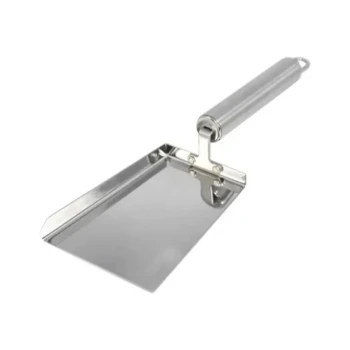
- Heavy-Duty Ergonomic Stainless Steel Pollen Shovel
- Plastic Bee Pollen Trap Strips Comb Catcher Collector
- Heavy-Duty Ergonomic Grip Galvanized Pollen Shovel
- 30 cm Plastic Entrance Hole Bee Pollen Trap and Collector
People Also Ask
- What are the design principles and advantages of pollen traps in the collection of bee pollen? Boost Your Apiary Yield
- What is the function of professional pollen traps in evaluating honey plants? Quantifying Pollination and Crop Potential
- What functions do pollen traps serve for bee bread production? Optimize Your Raw Material Collection
- What maintenance and pest prevention measures should be taken for pollen traps? Protect Your Hive and Harvest Quality
- How does the use of pollen traps in honeybee hives enhance crop fertilization? Boost Your Yield Through Induced Activity