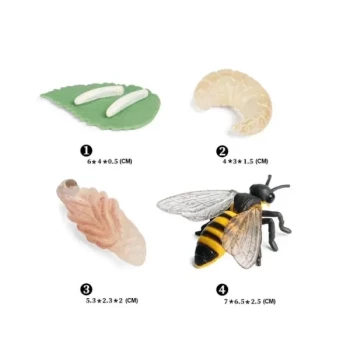
Honeybees are standardly introduced into new hive structures through two primary methods: splitting an existing colony or installing purchased package bees. Splitting involves physically transferring frames containing brood into new boxes, whereas purchasing packages involves introducing loose, pre-adapted bees and a queen into a fresh environment.
The success of your apiary depends on preparation; whether you are transferring established frames or installing a fresh package, the hive equipment must be assembled, positioned, and stocked with food sources before the bees arrive.
Method 1: Splitting an Existing Colony
This method relies on leveraging the resources of a strong, established hive to populate a new one.
Transferring Biological Capital
Splitting involves taking frames that already house live brood (developing bees) and food stores from an existing colony.
Immediate Stability
By placing these frames into empty hive boxes, you provide the new colony with existing infrastructure.
The Nucleus Colony Variation
A common variation of this is transferring a "nuc" (nucleus colony), such as moving a small Langstroth colony into a full-sized hive or top bar hive.
Method 2: Installing Package Bees
This method offers a "fresh start" and is the standard approach for beekeepers without access to an existing hive.
The Installation Process
Package bees are "pre-adapted," meaning they are ready to be placed directly into completed hive boxes.
Immediate Work
Because they have no existing comb to protect, these bees can begin working immediately, foraging and drawing out new wax.
Introducing the Queen
Package bees usually come with a "banked" queen in a separate cage.
The Acceptance Process
To introduce her safely, the queen cage is placed between the frames of the new hive.
The Candy Plug Mechanism
Worker bees gradually eat through a candy plug on the cage to release the queen. This delay is crucial, as it allows the colony to accept her pheromones and reduces the risk of rejection.
Alternative Method: Attracting Swarms
For those seeking a low-cost or natural approach, you can lure a swarm into a new structure rather than physically moving them.
Utilizing Scent
Beekeepers use the honeybee's sense of smell to signal that a hive is habitable, often using lemongrass essential oil to mimic queen pheromones.
The Role of Brood Comb
Adding comb that smells of brood reinforces the signal that the location is a suitable home.
Safety Precautions
If using old comb to attract swarms, it must be sourced from certified clean, chemical-free hives to prevent the transmission of disease.
Essential Preparation Protocols
Regardless of the introduction method, the physical environment must be ready before the bees arrive.
Equipment Readiness
All beekeeping equipment should be fully assembled, painted, and permanently positioned in the bee yard prior to installation.
Required Tools
Ensure you have clean protective gear, a hive tool, and a pollen substitute on hand.
Nutritional Support
Because new colonies lack stored resources, you must provide bee feed immediately to support their growth.
Understanding the Trade-offs
Every introduction method carries specific risks and requirements that must be weighed.
Resource Dependency
Splitting requires you to already own or purchase a strong "donor" colony, whereas packages can be bought independently but require more initial care.
Disease Vectors
Using existing frames or brood comb (for splits or swarm lures) carries the risk of transmitting pests or diseases from the old hive to the new one.
Queen Rejection Risks
Package installations are more prone to queen rejection than splits, making the "candy plug" release method a critical step for success.
Making the Right Choice for Your Goal
To determine the best method for your specific situation, consider the following:
- If your primary focus is rapid stability: Choose Splitting (or a Nucleus colony), as the transfer of brood and food provides an immediate buffer against failure.
- If your primary focus is starting from scratch: Choose Package Bees, as this minimizes the risk of inheriting diseases from old comb and allows you to watch the hive build from the ground up.
- If your primary focus is cost minimization: Choose Swarm Trapping, utilizing pheromone lures and lemongrass oil to attract free bees, provided you accept the unpredictability of the result.
Choose the method that aligns with your available equipment and your tolerance for risk.
Summary Table:
| Method | Primary Source | Level of Stability | Equipment Needs | Best For |
|---|---|---|---|---|
| Splitting | Existing Strong Colony | High (Includes Brood/Food) | Established Frames | Rapid Expansion |
| Package Bees | Commercial Supplier | Medium (Requires Feeding) | New Boxes & Queen Cage | Starting Fresh |
| Swarm Trapping | Natural Environment | Variable | Lures & Baited Hives | Cost Minimization |
Scale Your Apiary Operations with HONESTBEE
Whether you are expanding through colony splits or starting fresh with package bees, the success of your honey production depends on professional-grade infrastructure. HONESTBEE provides commercial apiaries and distributors with a comprehensive wholesale selection of high-quality beekeeping tools and machinery.
From industrial hive-making machines and honey-filling lines to essential consumables and honey-themed merchandise, we supply everything needed to optimize your honeybee management.
Ready to elevate your beekeeping business?
Contact us today to explore our wholesale equipment solutions and see how our expertise can drive your apiary's productivity.
Related Products
- HONESTBEE Entrance Bee Feeder Professional Hive Nutrition Solution for Beekeeping
- HONESTBEE Entrance Bee Feeder Efficient Hive Front Liquid Feeding Solution for Beekeeping
- Honey Bee Life Cycle Model 4 Stage Educational Set for Kids Learning
- Professional Wooden Requeening Frame for Beekeeping
- Honey Bee Lifecycle Model: A Detailed Honeycomb Display of Bee Development
People Also Ask
- What types of bee feeders are available for beginners? Start with the Simple Entrance Feeder
- What are the advantages and disadvantages of using an entrance feeder for bees? Balance Convenience and Hive Security.
- What is a bee entrance feeder and what are its drawbacks? Essential Guide to Hive Security and Feeding Efficiency
- How does a bee entrance feeder work? A Simple Guide to Convenient Hive Feeding
- How to make an entrance feeder for bees? A DIY Guide for Safe & Effective Feeding