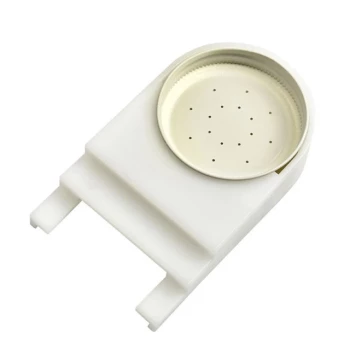
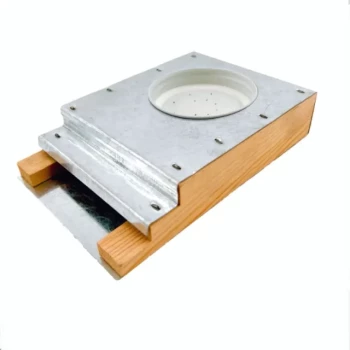
The primary technical advantage of using hive-top feeders in spring queen rearing is the ability to precisely manipulate colony physiology through controlled nutrition. By delivering high-concentration syrup and protein supplements directly to the hive, these feeders stimulate the biological processes required to produce superior queens, specifically by increasing egg weight and royal jelly production.
Core Insight The goal of spring supplemental feeding is not merely colony survival, but physiological enhancement. By simulating an intense resource flow, hive-top feeders trigger a chain reaction: workers secrete more royal jelly, leading the queen to lay significantly heavier eggs, which directly correlates to more robust and high-yielding future queens.
The Biological Impact on Queen Quality
Stimulating Royal Jelly Secretion
In early spring, natural pollen and nectar are often scarce. Hive-top feeders bridge this gap by supplying a steady stream of nutrition.
This consistent availability prompts worker bees to secrete higher volumes of royal jelly. This substance is the critical nutritional driver for queen development, ensuring larvae receive the rich diet necessary for optimal growth.
Increasing Egg Weight and Viability
The most distinct technical advantage identified is the impact on the queen's reproductive output. The stimulation provided by these feeders prompts the queen to increase her daily egg production.
More importantly, this process significantly increases the weight of individual eggs. Heavier eggs are biologically superior, serving as the foundation for cultivating robust queens with higher longevity and yield potential.
Operational and Physical Advantages
Simulating Natural Nectar Flow
Hive-top feeders act as a proxy for natural resources, effectively simulating a "honey flow" before the environment can provide one.
This simulation is crucial for colony establishment. It ensures worker bees have the immediate energy required for comb building and maintaining the hive functions necessary to support a rearing environment.
Controlled Delivery and Safety
Unlike open feeding methods, hive-top configurations—such as double jar feeders—offer a controlled environment for nutrition.
These systems are designed to minimize the risk of bees drowning in the syrup. They ensure safe, consistent access to feed, allowing the colony to process nutrients efficiently without the chaos often associated with rapid feeding methods.
Understanding the Trade-offs
Temperature Limitations
While top feeders are excellent for spring stimulation, it is important to note the contrast with internal frame feeders.
Frame feeders place syrup directly within the bee cluster, making them superior for low-temperature consumption or winter storage. If the spring temperatures are unseasonably cold, bees may struggle to break the cluster to access a top feeder compared to an internal frame feeder.
The Risk of Robbing
Any supplemental feeding carries the risk of attracting robber bees or pests. While internal feeders reduce this risk significantly, hive-top feeders must be well-sealed and monitored.
If the equipment does not fit perfectly or if syrup is spilled during refilling, it can trigger robbing behavior from stronger neighboring colonies, counteracting the benefits of the supplemental feed.
Making the Right Choice for Your Goal
To maximize the success of your queen rearing operation, align your feeding strategy with your specific objectives:
- If your primary focus is Queen Genetics and Quality: Utilize hive-top feeders to provide high-concentration syrup and protein; this maximizes royal jelly secretion and ensures heavy, high-quality eggs.
- If your primary focus is Colony Establishment: Ensure continuous carbohydrate availability to fuel comb building and simulate a natural nectar flow, preventing any halt in colony expansion.
- If your primary focus is Bee Safety: Select feeder designs, such as double jar setups, that explicitly prevent drowning and allow for refilling without disturbing the hive's internal temperature.
Ultimately, the hive-top feeder is a precision tool that converts raw nutrition into biological superiority, ensuring your queens start their lives with the maximum possible advantage.
Summary Table:
| Technical Feature | Biological/Operational Advantage | Impact on Queen Rearing |
|---|---|---|
| Controlled Nutrition | Stimulates royal jelly secretion & increases egg weight | Produces more robust, high-yielding queens |
| Simulated Flow | Mimics natural nectar availability in early spring | Accelerates comb building and colony expansion |
| Safe Access | Prevents bee drowning (e.g., double jar feeders) | Ensures consistent nutrition without colony loss |
| External Refilling | Allows feeding without disrupting cluster temperature | Minimizes hive stress during critical growth phases |
Maximize Your Apiary's Potential with HONESTBEE
Elevate your queen rearing and honey production with professional-grade solutions. HONESTBEE serves commercial apiaries and distributors with high-performance hive-making machinery, precision honey-filling equipment, and a full spectrum of wholesale beekeeping tools.
Whether you are scaling a commercial operation or seeking essential consumables to support high-quality queen genetics, our expertise ensures your success. Contact us today to discover how our specialized hardware and cultural merchandise can add value to your business.
References
- Sh.B. Bakaeva N.A. Azizova. THE IMPORTANCE OF BEE EGGS IN THE DEVELOPMENT OF THE BEE FAMILY. DOI: 10.5281/zenodo.7806538
This article is also based on technical information from HonestBee Knowledge Base .
Related Products
- HONESTBEE Professional Hive Top Bee Feeder Feeding Solution
- Professional Hive Top Bee Feeder for Beekeeping
- HONESTBEE Square Top Hive Bee Feeder Top Bee Feeder
- HONESTBEE Round Hive Top Bee Feeder for Syrup
- Rapid Bee Feeder White Plastic 2L Round Top Feeder for 8 or 10-Frame Bee Hives
People Also Ask
- How does a bee hive top feeder work? A Guide to Efficient, Protected Feeding
- What is a hive top feeder? A Guide to Efficient, Low-Stress Beekeeping
- Do I need an inner cover with a hive top feeder? Optimize Your Hive Setup for Healthy Bees
- What is a hive top feeder, and how does it work? A Complete Guide to Efficient In-Hive Feeding
- What are the characteristics, advantages, and disadvantages of hive top feeders? Optimize Your High-Volume Feeding