Small-capacity packaging is a strategic technical choice specifically engineered to preserve the integrity of stingless bee honey. By utilizing volumes typically around 100ml, producers can ensure precise product specifications, facilitate more effective sterilization, and support long-term preservation of the honey's unique bioactive compounds. This format directly addresses the low-yield nature of the product while preventing the rapid quality degradation that occurs when larger containers are repeatedly opened and exposed to the environment.
Small-capacity bottles act as a critical technical barrier that maintains the chemical stability and medicinal value of stingless bee honey. For distributors and wholesalers, this standardized packaging format optimizes shelf-life, ensures hygienic compliance, and aligns the product with premium market expectations.
Engineering for Product Stability and Integrity
Maintaining Bioactive and Medicinal Properties
Stingless bee honey is characterized by high acidity and a complex profile of bioactive components that are sensitive to environmental shifts. Small-capacity bottles minimize the headspace within the container, significantly reducing the risk of oxidation and the loss of volatile medicinal properties. This ensures that the end consumer receives a product that retains its full therapeutic potency from the first drop to the last.
Prevention of Secondary Contamination and Fermentation
Due to its naturally higher moisture content, stingless bee honey is more susceptible to secondary fermentation than traditional honey. High-quality sealed containers provide a superior moisture barrier that prevents the honey from absorbing humidity from the air. By limiting the volume, the product is consumed more quickly, effectively eliminating the window of time in which secondary contamination could compromise the batch.
Chemical Stability through Material Selection
Technical advantages are further enhanced by the use of high-quality glass or specialized plastics that offer exceptional chemical stability. These materials are non-reactive, which is vital given the high natural acidity of the honey. Using smaller vessels allows for more uniform temperature control during the filling and storage processes, further protecting the honey's delicate enzymatic structure.
Optimizing Industrial Sterilization and Fulfillment
Enhanced Precision in Sterilization
Small-volume packaging allows for more consistent and effective sterilization protocols during the bottling process. Heat or cold sterilization techniques can penetrate smaller volumes more uniformly, ensuring that every bottle meets rigorous hygiene standards. This technical precision is essential for distributors who require guaranteed product safety across large-scale orders.
Standardized Specifications for Global Logistics
Utilizing standardized small-capacity flasks improves market distribution efficiency and inventory management. These specifications allow for high-density packing, reducing the risk of breakage during ultra-fast delivery and long-distance transit. For wholesalers, this means lower logistical waste and a product that is immediately compatible with modern retail shelving and automated fulfillment systems.
Precision Dispensing and Consumer Utility
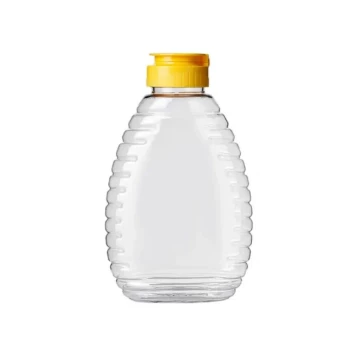
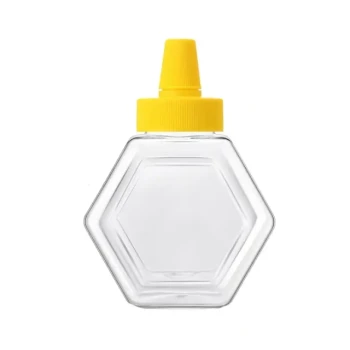
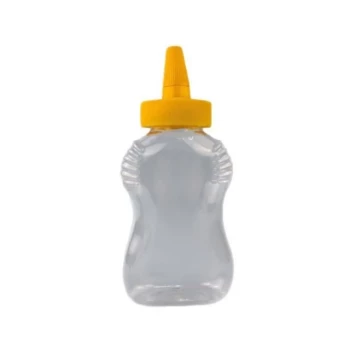
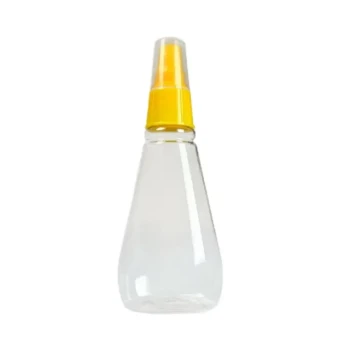
Many small-capacity designs incorporate squeezable bodies or flip-top caps that allow for precise portion control. This reduces mess and product waste, which is a critical consideration for high-unit-price commodities. Designs that allow the bottle to stand upside down further ensure efficient product recovery, minimizing wait times and improving the overall user experience.
Understanding the Trade-offs
Unit Cost vs. Premium Positioning
While small-capacity bottles result in a higher cost-per-milliliter compared to bulk packaging, this is offset by the increased commercial competitiveness of the product. In the premium medicinal market, the technical protection offered by small flasks justifies the higher price point. Distributors must balance the increased packaging overhead against the significantly lower risk of product spoilage and returns.
Filling Complexity and Equipment Requirements
Operating a high-speed filling line for small-capacity bottles requires specialized, high-precision equipment to manage low-volume dosages accurately. While this requires a more sophisticated technical setup, it results in a more professional and standardized end product. Partnering with a provider that offers deep industry expertise ensures these technical hurdles are managed at the sourcing stage.
Making the Right Choice for Your Goal
How to Apply This to Your Project
- If your primary focus is premium retail distribution: Select standardized 100ml glass bottles to maximize brand recognition and consumer trust through superior visual presentation.
- If your primary focus is medicinal or therapeutic sales: Prioritize high-barrier, small-capacity containers that explicitly guarantee the preservation of bioactive acidity and prevent fermentation.
- If your primary focus is rapid market expansion: Utilize standardized plastic squeeze bottles to benefit from reduced shipping weights and break-resistant durability during high-speed fulfillment.
By leveraging the technical superiority of small-capacity packaging, you ensure a stable, high-value product that meets the rigorous demands of the modern global supply chain.
Summary Table:
| Technical Feature | Key Advantage | Impact on Product Integrity |
|---|---|---|
| Reduced Headspace | Minimizes oxidation risks | Preserves sensitive bioactive & medicinal properties |
| High-Barrier Materials | Superior moisture resistance | Prevents secondary fermentation & contamination |
| Small Volume Design | Uniform thermal/cold sterilization | Ensures consistent hygiene & safety standards |
| Standardized Specs | Optimized high-density packing | Reduces logistical waste & speeds up fulfillment |
| Precision Dispensing | Accurate portion control | Minimizes product waste for high-value honey |
Scale Your Honey Business with HONESTBEE’s One-Stop Solutions
Are you looking to enhance your product stability and market competitiveness? HONESTBEE specializes in supporting commercial apiaries, distributors, and B2B resellers with a comprehensive, full-spectrum product portfolio. From high-precision honey-filling machines designed for small-capacity bottles to premium consumables and specialized beekeeping tools, we provide the infrastructure you need to succeed.
Why Partner with HONESTBEE?
- Deep Industry Expertise: We understand the technical nuances of preserving high-value honey.
- Premium Trading Services: Benefit from OEM/ODM support and certified, retail-ready packaging.
- Efficient Order Fulfillment: Experience ultra-fast delivery and rapid response times to keep your supply chain moving.
- Comprehensive Sourcing: One-stop access to everything from hive-making hardware to honey-themed cultural merchandise.
Ready to optimize your profit margins and secure a reliable supply partner?
Contact Our Export Experts Today
References
- Mila Fatmawati, Herman Darwis. Analysis of Cost Structure and Income of Trigona sp. Honey Bee Farming in Payahe Village, Oba District, Tidore Islands City. DOI: 10.52046/agrikan.v18i1.2569
This article is also based on technical information from HonestBee Knowledge Base .
Related Products
- Classic Beehive Honey Bottle Jar with Squeeze Dispenser Lid
- Squeezable No-Drip Beehive-Shaped Honey Jars with Flip-Top Cap
- Hexagonal Squeeze Honey Bottle with No Drip Lid
- Ergonomic Squeezable Honey Bottle with Precision Twist Nozzle Cap
- Double Nozzle Small Honey Filling Machine Honey Sachet Packing Packaging Equipment
People Also Ask
- Why use high-quality honey jars? Protect Your Harvest with Superior Plastic & Glass Packaging Solutions
- What are the benefits of squeeze bottles for honey packaging? Unlock Mess-Free Convenience & Control
- How should honey bottles be prepared before pouring honey into them? The #1 Rule for Honey Longevity
- What are the features of honey bottles? Design for Convenience & Long-Term Preservation
- What are the features and benefits of using honey bottles for packaging? Optimize Preservation and Consumer Experience