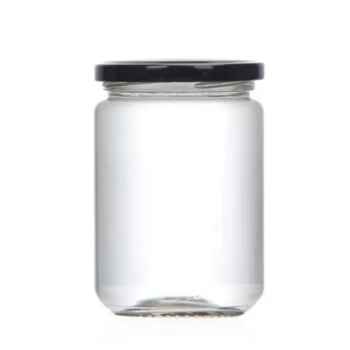
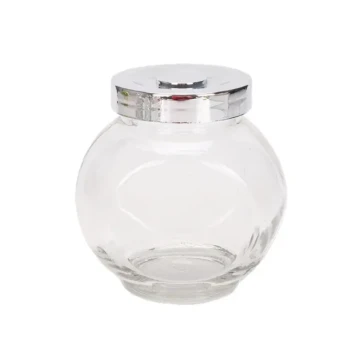
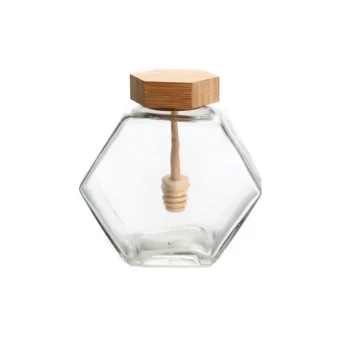
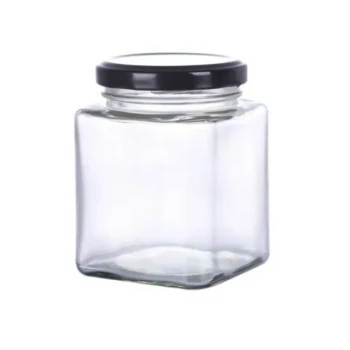
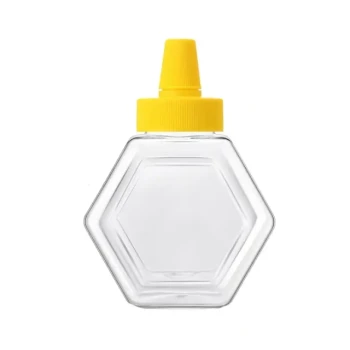
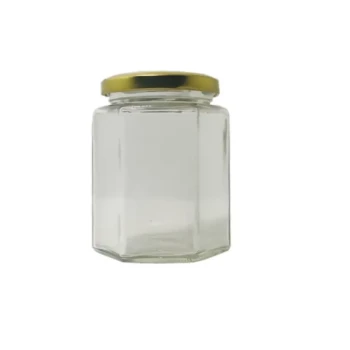
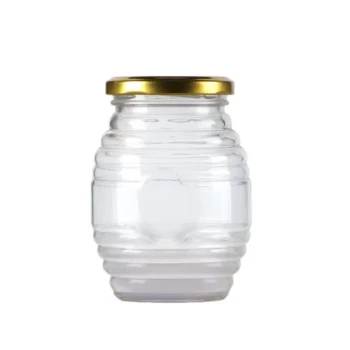
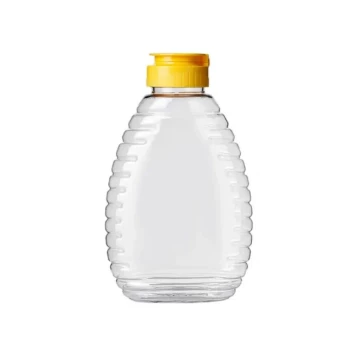
High-quality packaging is not just about aesthetics; it is a functional necessity for honey preservation. You must use high-quality plastic jars or glass bottles with secure lids to create an airtight barrier that isolates the honey from environmental moisture, air, and physical contaminants. This isolation is the only way to prevent fermentation, degradation, and spoilage during storage.
Core Takeaway Honey is a hygroscopic substance, meaning it naturally absorbs moisture from the air. Without the superior sealing and barrier properties of high-quality glass or food-grade plastic, honey will absorb water, triggering fermentation and destroying its quality. Proper packaging is the bridge between a raw agricultural product and a shelf-stable, commercially viable commodity.
The Science of Preservation: Combating Moisture and Air
The Hygroscopic Challenge
Honey has a unique chemical property called hygroscopy. This means it actively attracts and absorbs water vapor from the surrounding atmosphere.
If honey is exposed to air due to poor packaging, its water content increases. Once the water content rises above a critical threshold, natural yeasts in the honey activate, leading to fermentation and souring.
Preventing Oxidation and Degradation
High-quality containers with tight lids provide a hermetic seal. This excludes oxygen, which can degrade the honey's quality over time.
By limiting air exposure, you preserve the honey's specific texture, aroma, and natural enzyme activity. This ensures the flavor profile remains consistent from the hive to the consumer's table.
Barrier Against External Contaminants
A secure container acts as a physical shield. It prevents the intrusion of dust, insects, and environmental odors.
Honey easily absorbs strong odors from its environment. High-quality materials prevent these external smells from altering the delicate flavor of the product.
Material Integrity and Safety
Chemical Neutrality of Glass
Glass is often considered the gold standard because it is chemically inert. It does not react with the honey, regardless of acidity or storage time.
This ensures that the product retains its absolute purity. There is zero risk of the container altering the taste or chemical composition of the honey.
Food-Grade Safety of Plastic
When using plastic, it is critical to use food-grade materials. High-quality plastics are engineered to prevent the migration of harmful chemicals into the food.
Unlike cheap industrial plastics, food-grade options ensure safety standards are met while maintaining the structural integrity needed to prevent leaks.
Commercial Viability and Brand Value
Enhancing Shelf Life
Effective packaging is the primary factor in extending shelf life. By stabilizing the environment inside the jar, the honey remains consumable for significantly longer periods.
This stability is a prerequisite for entering commercial distribution channels, where products may sit in warehouses or on shelves for months.
Transparency Builds Trust
High-quality glass and clear plastics offer high transparency. This allows consumers to visually inspect the honey before purchase.
Shoppers judge honey by its color, purity, and crystallization state. Being able to see the product directly enhances perceived quality and builds consumer confidence.
Facilitating Logistics
Proper bottles are designed for the practicalities of the supply chain. They provide smooth, standardized surfaces for mandatory labeling and branding.
Furthermore, these containers are designed to be stacked and shipped. They protect the product from physical damage during the journey from farm to retail terminal.
Understanding the Trade-offs: Glass vs. Plastic
The Weight and Fragility of Glass
While glass offers superior chemical stability and a premium feel, it is heavy and fragile. This increases shipping costs and the risk of breakage during transport.
The Durability and Flexibility of Plastic
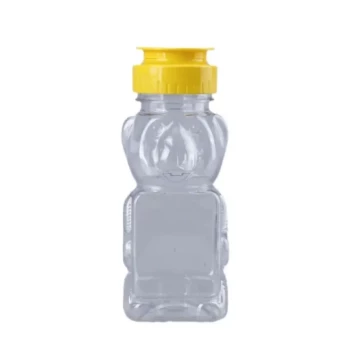
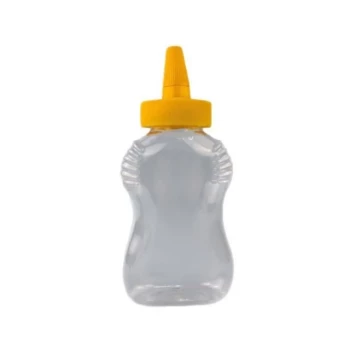
High-quality plastic is lightweight and resistant to shattering, making it safer and cheaper to ship. It also allows for flexible designs, such as "squeezable" bottles or the iconic "honey bear" shape, which are popular for their convenience and appeal to children.
However, plastic is generally less impermeable than glass over extremely long periods and lacks the "premium" market perception associated with heavy glass jars.
Making the Right Choice for Your Goal
Select your packaging material based on your specific distribution model and target audience.
- If your primary focus is Premium Retail: Choose high-quality glass jars to highlight purity, maximize shelf appeal, and justify a higher price point through superior aesthetics.
- If your primary focus is Shipping or Mass Market: Choose high-quality food-grade plastic to reduce logistics costs, eliminate breakage risks, and offer convenient, squeezable dispensing for daily use.
Ultimately, the container is the guardian of the product; without a high-quality seal, the unique chemistry of your honey is lost to the environment.
Summary Table:
| Feature | Glass Bottles | Food-Grade Plastic Jars |
|---|---|---|
| Barrier Properties | Maximum (Hermetic seal) | High (Oxygen & moisture resistant) |
| Chemical Safety | Inert (Zero reaction) | Food-safe (No chemical migration) |
| Durability | Fragile (Risk of breakage) | High (Shatter-resistant) |
| Logistics | Heavy (Higher shipping costs) | Lightweight (Cost-effective) |
| Best For | Premium retail & long-term storage | Mass market & shipping efficiency |
| Consumer Appeal | High-end, classic feel | Convenient & child-friendly |
Elevate Your Beekeeping Business with HONESTBEE
As a commercial apiary or distributor, the quality of your packaging reflects the quality of your honey. HONESTBEE provides a comprehensive wholesale catalog of high-quality glass and food-grade plastic jars designed specifically for the beekeeping industry.
Beyond premium containers, we supply a full spectrum of specialized beekeeping tools, honey-filling machinery, and hive-making equipment to streamline your production. Partner with us to enhance your brand value and protect your product's integrity.
Contact HONESTBEE Today for Custom Wholesale Solutions
References
- Miriti Lydiah, Maina Immaculate. GENDER GAPS IN THE LEVELS OF PARTICIPATION IN IMPROVED BEE KEEPING: CASE OF THE MAASAI COMMUNITY IN TRANS MARA, NAROK COUNTY, KENYA. DOI: 10.47604/jlp.v1i1.846
This article is also based on technical information from HonestBee Knowledge Base .
Related Products
- Classic Round Glass Honey Jar with Lid
- Classic Beehive Honey Bottle Jar with Squeeze Dispenser Lid
- Classic Drum Shaped Glass Honey Jar with Airtight Lid
- Hexagonal Glass Honey Jar with Wooden Lid Integrated Dipper Elegant Functional Storage
- Modern Square Glass Honey Jar with Twist Off Lid
People Also Ask
- What is the aesthetic appeal of using glass jars for honey? Elevate Your Brand with Premium Packaging
- What are the advantages of glass containers for honey? Elevate Quality and Market Value with Premium Packaging
- How does the appearance of glass jar packaging affect the sales and perception of honey? Boost Your Premium Brand Value
- Why is a glass jar preferred for packaging honey? Ultimate Protection for Purity & Flavor
- What are the advantages of using high-quality glass containers in the commercial packaging of honey? Boost Premium Value