The two main types of bottom boards available for beehives are the solid bottom board and the screened bottom board. While both serve as the structural foundation of the hive, they offer distinctly different advantages regarding ventilation, insulation, and pest control.
The choice between solid and screened boards comes down to a trade-off between insulation and information. Solid boards prioritize warmth and wind protection, while screened boards offer superior ventilation and integrated tools for monitoring Varroa mites.
The Solid Bottom Board: Maximum Protection
The solid bottom board represents the traditional approach to hive construction. It provides a continuous wooden floor that completely seals the bottom of the hive stack.
Superior Insulation
The primary function of a solid board is to keep the beehive insulated. By sealing the floor, it prevents heat from escaping downwards, which is critical for colony survival during colder months.
Protection from Wind Chill
Solid boards are specifically designed to protect the colony from cold wind chill. They create a draft-free environment that helps the bees maintain the necessary cluster temperature with less energy expenditure.
Durability and Construction
These boards are typically built for longevity. They are assembled using a combination of glue, staples, and nails to ensure they can support the heavy weight of the hive boxes above them.
The Screened Bottom Board: Ventilation and Monitoring
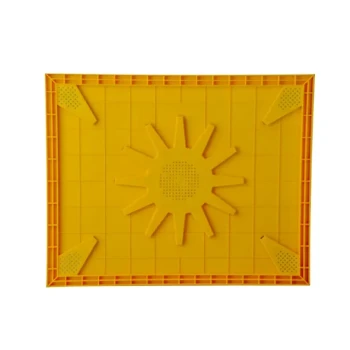
The screened bottom board is a more modern innovation. Instead of a solid plank, the floor consists of a mesh screen, usually accompanied by a sliding functionality.
Enhanced Airflow
The mesh design allows for significant air exchange. This helps with hive ventilation, which is particularly beneficial during hot summers or in humid climates where moisture buildup is a concern.
Integrated Pest Management
The defining feature of this type is the inclusion of a removable insert called a sticky board. This sits beneath the screen and catches debris falling through the mesh.
Varroa Mite Counts
The sticky board is primarily used for Varroa Mite counts. Because mites fall off the bees and through the screen onto the sticky surface, beekeepers can easily assess infestation levels without opening the hive or disturbing the colony.
Understanding the Trade-offs
While both boards support the hive, their environmental impacts on the colony are opposite.
The Insulation vs. Ventilation Debate
A solid board is excellent for retaining heat but offers zero assistance with airflow. Conversely, a screened board provides maximum ventilation but offers less protection against cold drafts unless the sticky board is inserted to close the floor.
Data Collection Limitations
Using a solid bottom board means you lose a critical data point: the natural mite drop count. If you choose a solid board, you must rely on other methods to monitor Varroa mite populations.
Making the Right Choice for Your Goal
Select your equipment based on your local climate and your management style.
- If your primary focus is overwintering in cold climates: The solid bottom board is the superior choice for maximizing insulation and eliminating dangerous wind chill.
- If your primary focus is pest management and summer ventilation: The screened bottom board is essential for tracking Varroa mite levels and keeping the hive cool.
Ultimately, many beekeepers use a screened bottom board year-round, simply inserting the sticky board to seal the hive when the weather turns cold.
Summary Table:
| Feature | Solid Bottom Board | Screened Bottom Board |
|---|---|---|
| Primary Benefit | Maximum Insulation | Superior Ventilation |
| Pest Monitoring | No built-in method | Integrated Varroa Mite counts via sticky board |
| Climate Suitability | Cold climates / Winter protection | Hot, humid climates / Summer cooling |
| Airflow Control | Blocks all drafts | Enhanced airflow through mesh screen |
| Best For | Retaining hive heat | Integrated Pest Management (IPM) |
Scale Your Beekeeping Business with HONESTBEE
Choosing the right foundation is critical for colony health, but sourcing high-quality equipment is essential for your business's success. HONESTBEE specializes in supporting commercial apiaries and distributors with a comprehensive wholesale range. From durable bottom boards and hive hardware to advanced honey-filling machines and specialized beekeeping tools, we provide everything you need to manage colonies efficiently and profitably.
Partner with HONESTBEE today for premium bulk supplies and expert industry solutions.
Contact Us to Get Your Wholesale Quote
Related Products
- Langstroth Solid Bottom Board for Beekeeping
- Solid Bottom Board Australian Pine Wood Langstroth Bottom Board for Wholesale
- Langstroth Screen Bottom Board for Beekeeping Wholesale
- HONESTBEE Top Bar & Bottom Bar Forming Machine | Bee Frame Machine
- HONESTBEE Wooden Bee Escape Board with Triangle Mesh Design for Beekeeping
People Also Ask
- What are the functions of solid bottom boards for a beehive? Essential Thermal Protection and Winter Survival Tips
- What is the purpose of a solid bottom board for bee hives? Enhance Hive Health and Winter Survival
- How does climate influence the choice between a solid and screened bottom board? Optimize Your Hive for Local Weather
- What is the primary function of a bottom board in a modern modified beehive system? Essential Foundation Guide
- What are the characteristics of a solid bottom board for a beehive? Boost Colony Health and Thermal Insulation