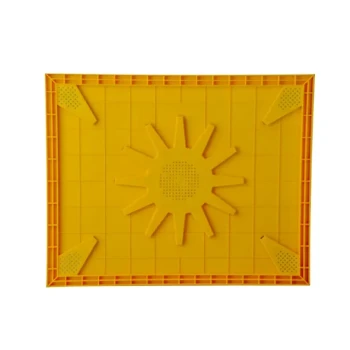
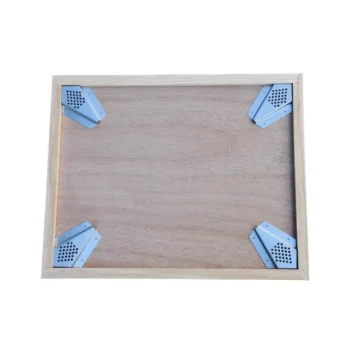
The decision rests primarily on empirical observation within your specific apiary. Instead of relying on universal rules, you should utilize both solid and screened bottom boards to determine which design best supports your colony's health regarding climate control and pest management.
Local variables such as humidity and pest density make universal advice unreliable; the best approach is to test both designs side-by-side to determine which supports your bees' specific needs.
The Strategy of Comparative Testing
The most accurate way to select equipment is to generate your own data. Because every apiary has a unique microclimate, general advice often fails to account for the specific challenges your bees face.
Testing with Small Hive Counts
If you manage a small apiary with only one or two hives, the recommendation is to try one of each type.
Place a solid bottom board on one hive and a screened bottom board on the other. This allows for a direct, real-time comparison of how the colonies fare under identical weather conditions.
Testing for Larger Operations
For beekeepers managing multiple hives, avoid making a large financial investment in a single type of board immediately.
Instead of outfitting the entire apiary with one style, select a small control group to test both options. This prevents the costly mistake of standardizing your equipment on a board type that may prove detrimental to your specific location.
Key Factors to Evaluate
When running your comparison, you must look for specific indicators of hive health. The primary reference highlights three critical areas to monitor during your test.
Assessing Pest Pressure
Observe how each bottom board affects your ability to monitor and manage pests.
Screened boards are often touted for mite management, but you must verify if they actually reduce pest loads in your specific area. Conversely, check if solid boards provide too much shelter for pests like hive beetles in your climate.
Monitoring Ventilation Needs
Airflow requirements change drastically based on local heat and humidity.
Use your test hives to see if the colony with the screened bottom board regulates temperature better during hot summers. Compare this against the solid board colony to see if it struggles with overheating or, conversely, retains necessary warmth during cooler nights.
Evaluating Cleanliness
Hygiene is a strong indicator of colony efficiency.
Check the bottom boards regularly to see how much debris accumulates. Determine which design helps the bees maintain a cleaner hive interior with the least amount of intervention from you.
Understanding the Trade-offs
While testing is the gold standard, there are risks associated with committing to a decision without this data.
The Risk of Premature Standardization
The most common pitfall is purchasing bulk equipment based on advice from beekeepers in different climates.
If you standardize on screened bottom boards because a beekeeper in a hot climate recommended them, you may struggle if your local spring is exceptionally wet and cold. Similarly, committing to solid boards in a humid region could lead to moisture buildup that you could have avoided with testing.
Interpretation of Results
You must be careful not to attribute all success or failure to the bottom board alone.
Ensure that the colonies being tested are of similar strength and have queens of similar quality. This ensures that the differences you observe in cleanliness or ventilation are actually due to the equipment, not the genetics of the bees.
Making the Right Choice for Your Apiary
Once you have run your side-by-side comparison for a season, you can make an educated purchase decision.
- If your primary focus is a small apiary: Install different boards on your first two hives to gain immediate, hands-on experience with how they function.
- If your primary focus is scaling up: Delay bulk purchases until you have tested both types on a few hives to assess their impact on pests and ventilation.
Your local environment is the ultimate deciding factor, so let the performance of your test hives dictate your equipment strategy.
Summary Table:
| Feature | Solid Bottom Board | Screened Bottom Board |
|---|---|---|
| Primary Benefit | Better heat retention in cold climates | Enhanced ventilation and mite monitoring |
| Pest Control | May harbor debris/hive beetles | Allows mites to fall through; easier to monitor |
| Climate Suitability | Ideal for northern winters or windy sites | Best for humid or high-temperature regions |
| Maintenance | Requires manual cleaning of debris | Self-cleaning to an extent; easier debris check |
| Best For | Traditional beekeeping & wintering | Integrated Pest Management (IPM) focus |
Maximize Your Colony Success with HONESTBEE
Choosing the right equipment is critical for commercial success. At HONESTBEE, we support commercial apiaries and distributors by providing a comprehensive wholesale range of high-quality beekeeping tools. Whether you need specialized hive-making machinery, honey-filling machines, or essential consumables, our portfolio is designed to enhance your operational efficiency and scale your business.
Ready to upgrade your apiary with professional-grade equipment? Contact us today to discuss how our wholesale solutions and industry expertise can benefit your hives and bottom line.
Related Products
- Solid Bottom Board Australian Pine Wood Langstroth Bottom Board for Wholesale
- Australian Pine Wood Langstroth Screen Bottom Board for Wholesale
- Langstroth Solid Bottom Board for Beekeeping
- Langstroth Screen Bottom Board for Beekeeping Wholesale
- HONESTBEE Top Bar & Bottom Bar Forming Machine | Bee Frame Machine
People Also Ask
- In what conditions is a solid bottom board preferred over a screened bottom board? Maximize Hive Heat and Treatment
- What is the primary function of a solid bottom board on a beehive? Key Benefits for Hive Stability and Insulation
- What are the characteristics of a solid bottom board? A Guide to Hive Foundation & Climate Control
- How is the wood of the solid bottom board treated to enhance its durability? Discover the 100% Beeswax Dipping Secret
- What is the primary function of a solid bottom board? Essential Thermal Insulation for Cold Climate Beekeeping