Wax cappings are the distinct layers of beeswax that honeybees produce to seal honeycomb cells, effectively creating an airtight lid to preserve the honey stored within. During the honey harvesting process, beekeepers remove these cappings as a byproduct. Once this raw material is cleaned and processed, it becomes a versatile ingredient used to create sustainable products ranging from candles and food wraps to skincare items like soaps and deodorants.
Wax cappings represent a premium, renewable resource harvested directly from the hive. Though they are a secondary product of honey extraction, they are the essential raw material for creating high-quality natural cosmetics and household goods.
The Source and Collection
Nature's Preservation Method
Bees create cappings for a specific functional purpose: protection. Once the honey in a comb has reached the correct moisture content, bees secrete this wax to cap the cells.
A Byproduct of Harvest
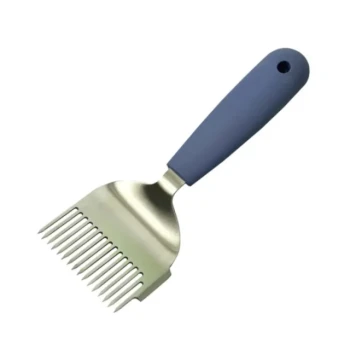
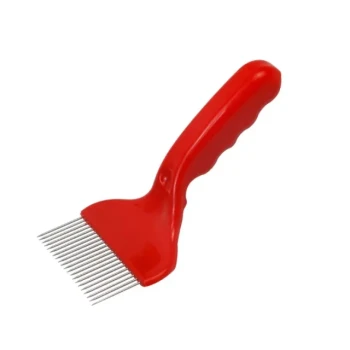
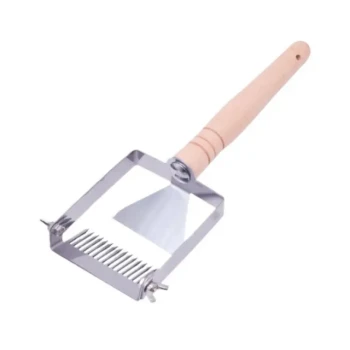
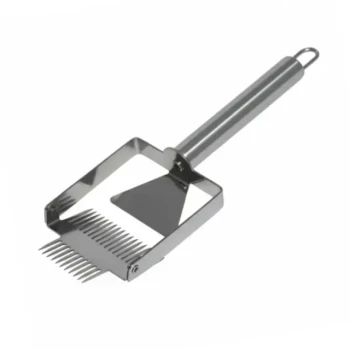
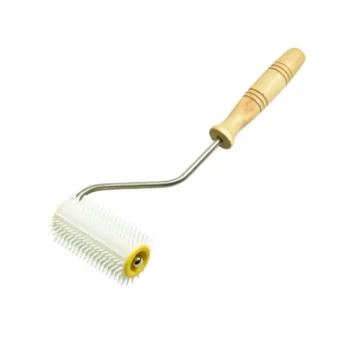
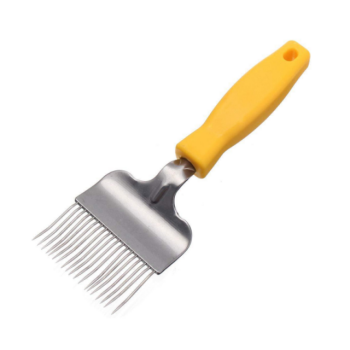
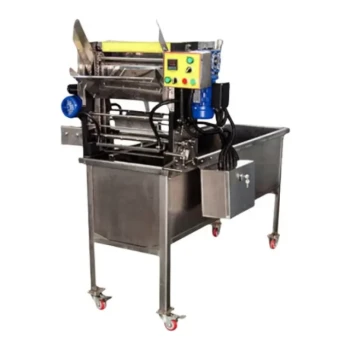
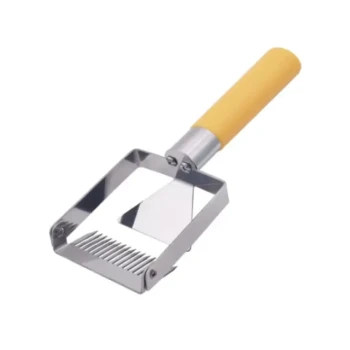
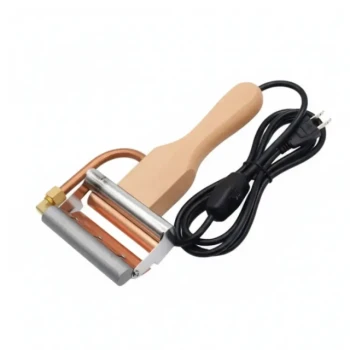
For beekeepers to extract honey, they must first "uncap" the frames. This is done by slicing or scratching off the outer layer of wax. This process yields the wax cappings, separating them from the liquid honey.
Transforming Raw Wax into Products
The Necessity of Processing
Wax cappings cannot be used immediately after removal from the hive. As noted in the primary reference, they must be cleaned and processed.
From Hive to Home
This processing stage removes impurities such as honey residue or propolis. The result is a clean, malleable wax ready for crafting and manufacturing.
Practical Applications
Home and Utility Uses
Processed wax cappings are highly valued for creating functional household items.
- Candles: The wax is a primary ingredient for natural, clean-burning candles.
- Food Wraps: It is used to create reusable, eco-friendly food wraps, offering a sustainable alternative to plastic cling wrap.
Skincare and Personal Care
Because of its natural properties, this wax is a popular base for cosmetic formulations.
- Moisturizers: It serves as a key ingredient in general skincare products.
- Balms and Soaps: The wax provides structure and protection in lip balms and soaps.
- Hygiene: It is also utilized in the formulation of natural deodorants.
Understanding the Trade-offs
Processing Requirements
While valuable, wax cappings are not a "ready-to-use" resource straight from the frame. They require a dedicated stage of rendering and cleaning to separate the wax from residual honey and debris.
Volume Constraints
Cappings are a byproduct, meaning their quantity is directly tied to honey production. You cannot harvest cappings without also harvesting honey, making the supply dependent on the broader hive cycle.
Making the Right Choice for Your Goal
Whether you are a beekeeper looking to utilize waste or a crafter sourcing materials, understanding the end-use is vital.
- If your primary focus is sustainable household goods: Utilize processed cappings to create reusable food wraps or natural candles to reduce reliance on plastics and paraffins.
- If your primary focus is personal care: Leverage the protective qualities of the wax to formulate lip balms, soaps, or deodorants.
By treating wax cappings as a resource rather than waste, you unlock the full potential of the hive's production.
Summary Table:
| Application Category | Common Uses | Key Benefits |
|---|---|---|
| Personal Care | Lip balms, soaps, deodorants, moisturizers | Natural protective barrier, skin-friendly properties |
| Household Goods | Beeswax food wraps, clean-burning candles | Eco-friendly alternative to plastic and paraffin |
| Industrial | Furniture polish, waterproofing agents | Natural sealant and preservation qualities |
| Artisanal | Crafting, sculpting, batik dyeing | Highly malleable and pure when processed |
Elevate Your Beekeeping Operation with HONESTBEE
Maximize the potential of every hive harvest by partnering with HONESTBEE. As a leading provider for commercial apiaries and distributors, we offer a comprehensive wholesale selection of specialized hardware and consumables designed to streamline your production.
Whether you need industrial-grade honey-filling machines, high-efficiency hive-making equipment, or premium beekeeping tools to process your wax cappings, we deliver the quality you need to scale. We also provide a unique range of honey-themed cultural merchandise to help you expand your brand's reach.
Ready to optimize your apiary’s efficiency and product range?
Contact HONESTBEE Today to explore our wholesale solutions and discover how our expertise can grow your beekeeping business.
Related Products
- Professional Honey Uncapping Roller for Efficient Harvesting
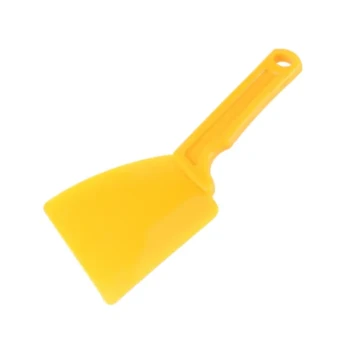
- Professional Honey Scraper for Efficient Apiary Maintenance
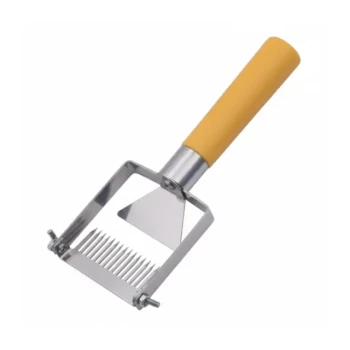
- Adjustable Stainless Steel Honey Uncapping Fork with Plastic Handle for Beekeeping
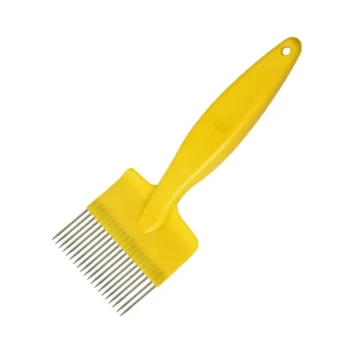
- Professional Durable Plastic Handle Honey Uncapping Fork
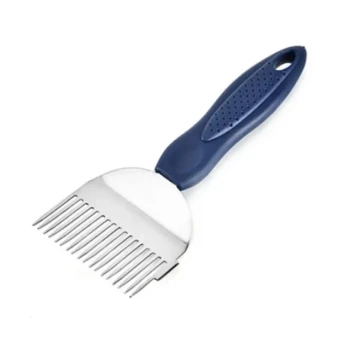
- Professional Multi-Function Uncapping Fork with Integrated Blade for Beekeeping
People Also Ask
- What other tools are available for honey uncapping besides knives? Find the Right Tool for Your Apiary's Scale
- What are the methods of uncapping honey? A Guide to Tools for Efficient Harvests
- What tools are available for uncapping honey? A Guide to Choosing the Right Tool for Your Operation
- What tools can be used to uncap honey cells? Expert Guide to Efficient Honey Extraction Equipment
- What are the essential tools for uncapping honey frames? Choose the Right Tool for Your Apiary