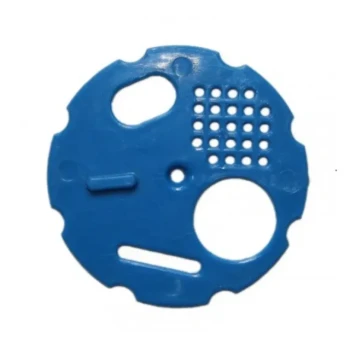
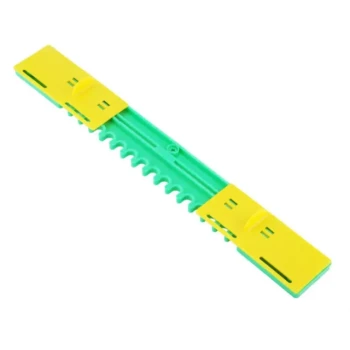
Addressing excessive moisture effectively requires a combination of immediate ventilation and careful cleaning. To start, you must remove the entrance reducer to allow for better airflow. Once a warm, sunny day arrives, open the hive to clear out dead bees and scrape mold from the comb to alleviate stress on the colony.
While minor condensation can serve as a water source, excess moisture compromises colony health. Corrective action centers on increasing ventilation and physically removing the byproducts of dampness, such as mold and debris.
Executing Corrective Measures
Improving Ventilation
The first step in mitigating moisture is to increase the airflow within the hive.
You should immediately remove the entrance reducer. This simple action helps cycle air through the hive, reducing the humidity that leads to mold and dampness.
Sanitizing the Hive Interior
Physical cleaning is necessary, but timing is critical. You must wait for a warm, sunny day to perform this maintenance to avoid chilling the bees.
Once opened, efficiently remove any dead bees accumulated on the bottom board.
Addressing Mold Growth
Excess moisture often leads to mold on the honeycomb.
You must scrape these moldy sections off the comb. Removing this mold is essential to minimize stress on the surviving bees and improve the overall hygiene of the colony.
Identifying the Source of Moisture
Internal Condensation
Moisture is often generated from within the colony itself.
Condensation forms when the warm air rising from the bee cluster contacts the cold air at the top of the hive. This temperature clash creates water droplets that can rain down on the bees.
Structural Vulnerabilities
Water can also enter from the outside environment.
Inspect the hive for roof leaks or gaps between poorly fitted boxes. These physical breaches allow rain and ambient moisture to penetrate the hive body.
Environmental Exposure
Hives placed directly on the ground are highly susceptible to moisture uptake.
During rainy periods, water can seep into the interior from wet soil. This ground-level exposure significantly increases the risk of dampness and associated diseases.
Understanding the Trade-offs
The Function of Minor Moisture
It is important to note that a completely dry hive is not necessarily the goal.
A small amount of condensation can actually benefit the colony. It can provide the bees with a necessary winter water source and offer a degree of insulation.
The Tipping Point
The problem arises when moisture becomes excessive.
While a little water is useful, too much creates a stressful environment that challenges the bees' immune systems. The goal is to manage moisture levels, ensuring they do not cross the threshold into becoming a health hazard.
Strategies for Long-Term Hive Health
Managing moisture is a balance between immediate remediation and preventative setup.
- If your primary focus is Immediate Remediation: Remove the entrance reducer now, and scrape away mold and dead bees as soon as weather permits to reduce colony stress.
- If your primary focus is Future Prevention: Install a hive stand to raise the colony off the wet ground, significantly reducing the likelihood of water intrusion.
By maintaining proper ventilation and structural integrity, you ensure your colony remains dry enough to thrive.
Summary Table:
| Moisture Sign | Immediate Action | Prevention Strategy |
|---|---|---|
| High Humidity | Remove entrance reducer | Install vented hive covers |
| Dead Bee Buildup | Clean bottom board | Elevate hive on a stand |
| Moldy Comb | Scrape off mold on sunny days | Improve airflow/ventilation |
| Roof Leaks | Patch or replace lid | Ensure boxes are properly fitted |
Secure Your Apiary’s Success with HONESTBEE
Excessive moisture can devastate a colony, but the right equipment makes all the difference. At HONESTBEE, we specialize in supporting commercial apiaries and distributors with high-quality, professional-grade beekeeping tools. From durable hive-making machinery to specialized hardware designed for optimal ventilation, our wholesale catalog is built to help your business and your bees thrive.
Our value to you:
- Comprehensive Wholesale Supply: One-stop sourcing for all beekeeping machinery, equipment, and consumables.
- Precision Engineering: Hardware and hive-making tools that ensure structural integrity and moisture control.
- Industry Expertise: Solutions tailored to the needs of large-scale operations and global distributors.
Don't let damp conditions compromise your yield. Contact us today to explore our full spectrum of beekeeping hardware and machinery!
Related Products
- Stainless Steel Round Beehive Air Vents for Ventilation
- Professional Reversible Beehive Hive Entrance
- Steel Round Disc Entrance Reducer for Flexzion Bee Hive Nuc Box Gate
- Inner Beehive Cover for Beekeeping Bee Hive Inner Cover
- Australian Pine Wood Langstroth Screen Bottom Board for Wholesale
People Also Ask
- How does ventilation affect colony health, and how should it be managed seasonally? A Guide to Preventing Moisture & Overheating
- Why is proper ventilation important in a beehive? Prevent Mold, Regulate Temperature, and Boost Colony Health
- How can a beekeeper provide proper ventilation for a beehive throughout the year? Seasonal Strategies for Bee Health
- Why is good ventilation crucial when transporting beehives? Protect Your Colony from Lethal Overheating
- How can ventilation be added to a beehive without using an inner cover? Simple, Effective Solutions for Healthy Hives