Effective beehive ventilation is a dynamic, year-round strategy that shifts from heat mitigation in the summer to moisture control in the winter. During the warm season, you must maximize airflow using tools like screened bottom boards, ventilation holes, and spaced covers to prevent the colony from overheating. In contrast, winter ventilation focuses on maintaining a dry internal environment by balancing airflow with insulation, ensuring vents remain clear of snow to prevent fatal condensation buildup.
The core objective of hive ventilation changes with the seasons: summer requires heat exhaust, while winter requires moisture removal. In cold weather, lack of airflow leads to internal condensation dripping onto the cluster, which is far more dangerous to bees than the low temperatures themselves.
Summer Strategy: Heat Release and Airflow
During the summer months, the colony generates significant heat. The goal is to assist the bees in regulating the hive temperature by allowing cool air in and hot air to escape.
Utilizing Screened Equipment
Replacing solid bottom boards with screened bottom boards allows for passive intake of air from the bottom of the hive. This creates a chimney effect when combined with upper ventilation, drawing cooler air up through the brood nest.
Structural Modifications for Exhaust
Hot air rises and needs a dedicated exit point. You can improve exhaust by drilling 1-inch ventilation holes in the top boxes.
Crucially, these holes must be covered with screen on the inside to prevent pests and robber bees from entering the hive.
Cover Adjustments
Modifying how the hive covers sit is an effective, non-permanent way to boost airflow. You can use notched inner covers or screened inner covers to facilitate air movement.
The "Craft Stick" Technique
A simple, low-cost method involves placing a couple of wooden craft sticks between the inner cover and the outer telescoping cover.
This raises the top just enough to increase airflow and let heat escape without creating a gap large enough for bees to exit or pests to enter.
Winter Strategy: Moisture Control and Insulation
As temperatures drop, the focus shifts. You are no longer trying to cool the hive, but you must still provide ventilation to remove the moisture generated by the bees' respiration.
Managing Condensation
Adequate airflow is vital to prevent internal condensation. If warm, moist air cannot escape, it freezes on the overhead cover and drips back onto the bee cluster as ice water, which is often fatal.
Exterior Protection and Heat Retention
To help the colony retain heat while venting moisture, you can wrap the exterior of the hive in black tar paper.
This material absorbs solar radiation during the day, helping to keep the hive warmer, while still allowing for the necessary ventilation setup at the top entrance.
Location and Snow Management
In late autumn, consider moving hives to a location protected from harsh winds to reduce thermal stress.
Throughout winter, you must remove snow immediately from around the hive. While snow can act as an insulator, it must never block the ventilation holes or entrances, as this will suffocate the colony and spike moisture levels.
Understanding the Trade-offs
Proper ventilation requires avoiding extremes. A miscalculation in either direction can stress or kill the colony.
The Risk of Over-Ventilation
In winter, too much airflow can strip away the heat "bubble" the bee cluster works hard to generate. The goal is a gentle exchange of air to remove wetness, not a draft that freezes the bees.
The Risk of Under-Ventilation
In summer, a lack of ventilation forces bees to spend energy fanning the hive rather than foraging. In winter, under-ventilation leads to "wet bees," which almost always results in a dead colony by spring.
Making the Right Choice for Your Goal
Adjust your ventilation tactics based on the immediate environmental threat to the colony.
- If your primary focus is cooling the hive (Summer): Utilize screened bottom boards and the "craft stick" method to create a vertical draft that flushes out heat.
- If your primary focus is colony survival (Winter): Ensure upper vents are open to release moisture, wrap the hive in tar paper for solar heat gain, and religiously keep air pathways clear of snow.
Successful ventilation is not about keeping the hive airy; it is about keeping the bees dry in winter and cool in summer.
Summary Table:
| Season | Primary Objective | Key Ventilation Tools & Techniques |
|---|---|---|
| Summer | Heat Exhaust & Cooling | Screened bottom boards, 1-inch screened vent holes, craft sticks for cover spacing |
| Winter | Moisture Control & Dryness | Notched inner covers, upper entrance vents, black tar paper wraps, snow removal |
| Risks | Survival & Efficiency | Under-ventilation causes fatal winter condensation; over-ventilation causes heat loss |
Optimize Your Apiary with HONESTBEE Professional Equipment
Proper ventilation is the difference between a thriving colony and a lost one. HONESTBEE supports commercial apiaries and distributors with high-quality, durable beekeeping solutions designed for year-round success.
Whether you need precision hive-making machinery, robust screened equipment, or essential industry consumables, we provide the full spectrum of tools to scale your operations. From specialized hardware to honey-themed cultural merchandise, we deliver the value and reliability your business demands.
Enhance your productivity today—Contact our wholesale experts at HONESTBEE to discuss your custom equipment needs!
Related Products
- Stainless Steel Round Beehive Air Vents for Ventilation
- Steel Round Disc Entrance Reducer for Flexzion Bee Hive Nuc Box Gate
- Inner Beehive Cover for Beekeeping Bee Hive Inner Cover
- Professional Reversible Beehive Hive Entrance
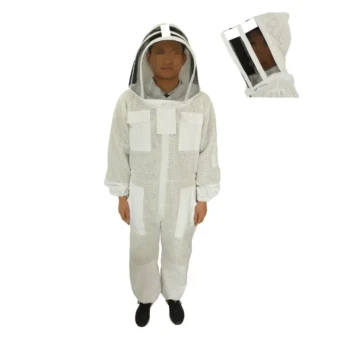
- Three-Layer Ventilated Beekeeper Suit with Structured Fencing Veil
People Also Ask
- How does ventilation affect colony health, and how should it be managed seasonally? A Guide to Preventing Moisture & Overheating
- Why is proper ventilation important in a beehive? Prevent Mold, Regulate Temperature, and Boost Colony Health
- Why is good ventilation crucial when transporting beehives? Protect Your Colony from Lethal Overheating
- How can ventilation be added to a beehive without using an inner cover? Simple, Effective Solutions for Healthy Hives
- Why is proper ventilation important for beehives in hot weather? Prevent Overheating & Colony Loss