Use complete protective gear, a smoker, and deliberate handling techniques during every beehive inspection. Wear a properly sealed veil, light-colored protective clothing, gloves, and protective boots; carry a lit smoker and hive tool. Approach from the side or rear, work in warm daytime conditions, use gentle smoke, and avoid sudden movements, loud impacts, or crushing bees.
Protective equipment prevents stings; controlled smoke and calm, smooth handling prevent the colony from becoming defensive. The objective is not to eliminate every bee response, but to reduce the triggers that cause mass agitation.
Essential Protective Equipment for Hive Inspections
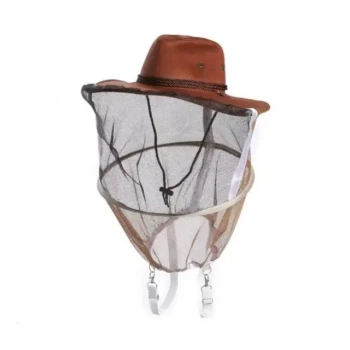
Veil and face protection
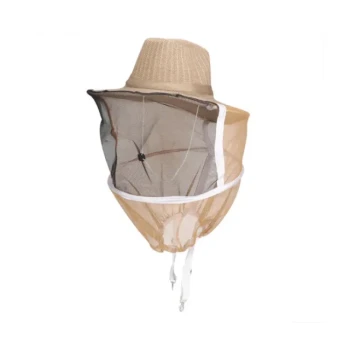
A beekeeping veil is essential, even during brief inspections. It protects the face, eyes, ears, and neck—areas where stings are particularly hazardous and distracting.
Ensure the veil is securely attached to the jacket or suit. Gaps around the neck, wrists, ankles, and zippers can allow bees to enter protective clothing.
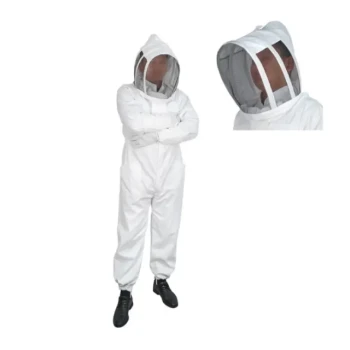
Bee suit or jacket
Wear a full bee suit or a tightly sealed beekeeping jacket made from protective material. Light-colored clothing is preferred because honeybees may react more defensively to dark colors.
Clothing should be clean and free from strong odors. Close all zippers and fasten cuffs before approaching the hive.
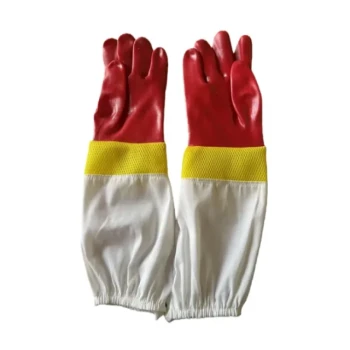
Gloves and boots
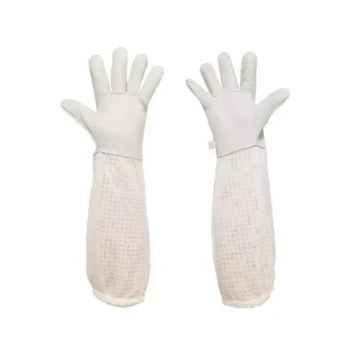
Protective gloves reduce the risk of stings while lifting frames and handling hive components. Choose gloves that provide protection without excessively reducing grip and control.
Wear protective boots and ensure trousers overlap or securely close around the ankles. This prevents bees from entering through gaps at the bottom of the clothing.
Tools That Reduce Colony Agitation
Smoker
A bee smoker is the primary colony-calming tool. Smoke helps mask alarm pheromones and temporarily reduces the bees’ defensive response.
Use suitable, cool-burning fuel such as wood shavings, cotton waste, or dry leaves. The smoke should be cool and light rather than hot, thick, or full of sparks.
Hive tool
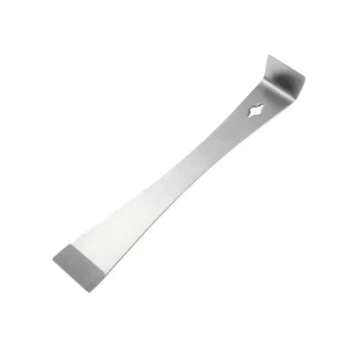
A sharp hive tool is needed to separate propolis-bound boxes, covers, and frames. It allows the beekeeper to loosen components in a controlled way instead of pulling or snapping them apart.
A hive tool also helps maintain a firm grip on frames and can be used to scrape out a visible stinger without pinching the venom sac.
Optional handling equipment
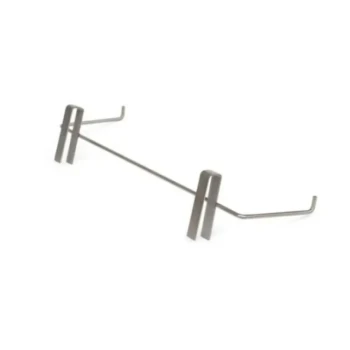
A frame holder can provide a secure temporary location for removed frames and reduce accidental drops. A bee brush may also be useful when bees must be moved gently, although it should not replace careful smoking and controlled handling.
Techniques for a Calm Inspection
Choose suitable weather and timing
Inspect during pleasant, warm daytime weather, preferably between approximately 10 a.m. and 5 p.m. when many foraging bees are away from the hive.
Avoid inspections during cold, rainy, windy, or otherwise stressful conditions. Weather and colony conditions can vary, so the beekeeper should prioritize calm bee behavior over a fixed schedule.
Approach from the side or rear
Approach from the side or rear of the hive, rather than standing directly in front of the entrance. This keeps the flight path open and reduces disruption to returning and departing bees.
Move slowly and deliberately. Sudden gestures, heavy footsteps, and blocking the entrance can increase defensive behavior.
Apply smoke sparingly
Before opening the hive, give a few gentle puffs of smoke at the entrance and, when appropriate, beneath the inner cover. Allow the smoke time to take effect before continuing.
Use only as much smoke as needed. Excessive or excessively hot smoke can stress the colony and interfere with the inspection.
Lift frames smoothly
Maintain a firm grip and lift frames vertically and steadily over the brood chamber. Avoid quick, jerky movements that can shake bees or damage comb.
Keep removed frames supported and stable. Dropping or tilting a frame can crush bees, release alarm pheromones, and provoke a stronger defensive response.
Loosen propolis gradually
Hive boxes and frames are often bonded with propolis. Use the hive tool to gently pry components apart instead of snapping them open.
Loud cracking sounds and sudden vibrations can alarm the colony. Controlled pressure is safer for both the beekeeper and the bees.
Avoid crushing bees
Handle frames and hive parts in a way that minimizes crushing bees. Injured or crushed bees can release alarm pheromones, which may attract additional defensive behavior.
If bees begin flying aggressively around the veil or clothing, pause, apply a small amount of smoke if appropriate, and reassess rather than continuing hurriedly.
If a Sting Occurs
Remove the stinger correctly
If a stinger is visible, remove it immediately by scraping it out with the edge of a hive tool or a fingernail. Avoid pinching the stinger or venom sac, because squeezing can force additional venom into the skin.
After removing the stinger, move calmly away from the hive if necessary and follow the beekeeper’s established first-aid procedure.
Maintain an emergency plan
All apiary workers should know how to respond to stings and should have appropriate first-aid supplies available. Anyone with a known severe allergy should follow their medical action plan and seek emergency help for serious symptoms.
Understanding the Trade-offs
Gloves improve protection but reduce dexterity
Gloves provide valuable hand protection, but thick or poorly fitting gloves can make it harder to control frames and avoid crushing bees.
Choose gloves that balance sting resistance, grip, and precise handling. The best protection is ineffective if it causes dropped frames or rough movements.
More smoke is not always better
Smoke can calm a colony, but excessive smoke may stress bees, obscure the beekeeper’s view, and make the inspection less efficient.
Apply small amounts, wait for the response, and use additional smoke only when the colony begins to show defensive behavior.
Full protection can increase heat and fatigue
Full suits, gloves, and veils can become hot during warm-weather inspections. Fatigue can lead to rushed movements and handling errors.
Plan inspections efficiently, take appropriate breaks, and maintain hydration while keeping protective clothing sealed around exposed areas.
Fixed timing cannot guarantee calm behavior
The recommended daytime window improves the likelihood that many foragers are away, but it does not guarantee a docile colony. Colony temperament, weather changes, recent disturbances, and local conditions also affect defensiveness.
Treat timing as one risk-reduction measure—not a substitute for protective equipment and careful technique.
Choosing Equipment for Reliable Apiary Operations
For distributors, wholesalers, and beekeeping suppliers, a practical inspection offering should cover the complete workflow rather than a single product.
- If your primary focus is beekeeper safety: Prioritize complete, well-sealed suits, veils, gloves, and boots, supported by reliable smoker and hive-tool options.
- If your primary focus is colony calm: Emphasize quality smokers, suitable fuel, frame holders, and tools that enable smooth, low-vibration handling.
- If your primary focus is efficient sourcing: Build a full-spectrum inspection portfolio with rapid order fulfillment, responsive technical support, and consistent availability across protective apparel and hive tools.
- If your primary focus is professional apiary operations: Standardize inspection procedures around correct timing, side or rear approaches, controlled smoking, and gentle frame handling.
Reliable inspections depend on combining suitable equipment with calm, deliberate technique—not on any single protective product.
Summary Table:
| Equipment/Technique | Purpose | Best Practice |
|---|---|---|
| Veil | Protects face, eyes, ears, neck | Ensure secure attachment; no gaps |
| Bee suit/jacket | Full body protection | Light-colored, tightly sealed |
| Gloves & boots | Hand and ankle protection | Choose balance of protection and dexterity |
| Smoker | Calms colony, masks alarm pheromones | Cool, light smoke; use sparingly |
| Hive tool | Pry apart propolis-bound components | Gently loosen to avoid jarring |
| Frame holder | Secure temporary frame storage | Reduces drops and unnecessary movement |
| Timing | Align with foraging activity | Warm daytime 10 a.m.-5 p.m. |
| Approach | Avoid entrance disturbance | Side or rear; slow movements |
| Frame handling | Maintain gentle control | Lift vertically; avoid crushing |
Equip your customers with reliable hive inspection gear and beekeeping supplies. HONESTBEE offers a comprehensive wholesale portfolio of protective wear, smokers, hive tools, and more—ensuring fast delivery and dedicated support. Whether you're a distributor seeking OEM/ODM flexibility or a reseller needing consistent supply, we help you meet professional needs. Contact us today to discuss your requirements and explore our full-spectrum solutions. Contact us now.
Related Products
- Metal Hive Feet Bee Hive Stand for Ant Protection
- Premium Cowboy Beekeeper Hat with Visibility Veil Outdoor Professional Beekeeping Protective Gear
- Wooden Bee Brush with Double-Row Horsehair Bristles
- Inner Beehive Cover for Beekeeping Bee Hive Inner Cover
- Beekeeping Gloves Goatskin Leather with Long Cotton Sleeve for Beekeepers
People Also Ask
- What are the benefits of elevating a bee hive with a stand or base? Protect Your Colony and Your Back
- How does a beehive stand protect against predators and pests? Essential Strategies for Colony Security
- How should the height of a beehive stand be determined? Find Your Ergonomic Sweet Spot
- What to stand a beehive on? The Best Foundation for a Healthy, Manageable Apiary
- How tall should a beehive stand be? Achieve Optimal Hive Health & Beekeeper Comfort