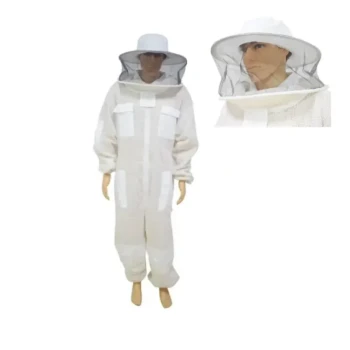
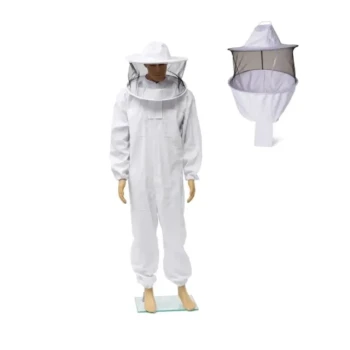
A bee suit or jacket is a specialized protective garment designed to cover the beekeeper's body. Its fundamental purpose is to create a comprehensive physical barrier that prevents bee stings during hive inspections, honey harvesting, and other apiary activities.
Beekeeping protective gear serves as a critical safety system, combining sting-resistant fabrics with secure closures to allow apiarists to work with confidence and focus rather than fear.
The Anatomy of Protection
To understand how a bee suit functions, you must look at the specific components designed to seal the body against insects.
The Physical Barrier
The core of the suit is typically a coverall or jacket made from thick, sting-resistant fabric.
This is often a polyester-cotton blend, selected to provide a balance between durability against wear and comfort for the wearer.
Preventing Entry
Bees are experts at crawling into small spaces, so a suit must eliminate gaps.
Elastic bands are integrated into the wrists and ankles to ensure a snug fit, effectively blocking these common entry points.
Many suits also feature boot covers to prevent bees from crawling into shoes or up pant legs.
Protecting Vulnerable Areas
The head and hands are the most exposed parts of the body during inspections.
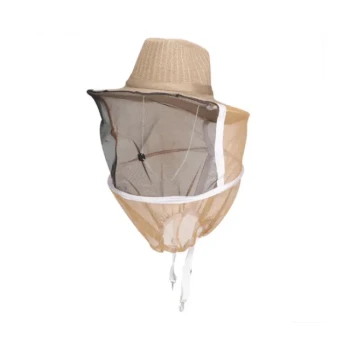
A veil is attached to the suit to shield the face and neck while maintaining clear visibility for the beekeeper.
Gloves are worn to shield the hands, which are closest to the hive and particularly vulnerable to defensive stings.
Functional Design Features
Beyond basic protection, modern bee suits include features that enhance usability and efficiency in the field.
Integrated Construction
The jacket and pants are often connected as a single-piece overall.
This design minimizes the number of potential entry points compared to wearing separate garments.
Accessibility and Ventilation
Suits are equipped with a front zipper, allowing for easy wear and necessary ventilation during hot weather.
The veil is frequently detachable, making it easier to remove for cleaning or when driving between apiary sites.
Utility and Storage
Fieldwork requires tools, and efficient suits accommodate this need.
Large pockets are strategically placed on the garment to hold hive tools, markers, and other essential equipment.
Understanding the Trade-offs
While a bee suit provides essential safety, there are practical considerations regarding comfort and mobility.
Heat Retention
The same thick, sting-resistant fabric that protects you can also trap body heat.
Beekeeping is often performed in warm weather, so managing internal temperature and hydration is critical when fully suited up.
Mobility and Dexterity
Thick gloves and heavy fabrics can reduce tactile feedback.
This may make delicate tasks, such as handling a queen bee or manipulating frames, slightly more difficult until you become accustomed to the gear.
Making the Right Choice for Your Goal
Selecting the right protective gear depends on prioritizing fit and functionality for your specific needs.
- If your primary focus is Maximum Safety: Opt for a full one-piece suit (coverall) rather than a jacket to minimize the separation between garments and reduce entry points.
- If your primary focus is Comfort and Mobility: Choose a suit size larger than your actual measurements to allow for effortless movement and the ability to wear clothing underneath.
- If your primary focus is Maintenance: Ensure the suit features a detachable veil, which simplifies the washing process and prolongs the life of the screen.
The right bee suit effectively neutralizes the risk of stings, transforming a potentially hazardous activity into a safe and manageable routine.
Summary Table:
| Feature | Component Description | Primary Benefit |
|---|---|---|
| Material | Heavyweight poly-cotton or ventilated mesh | Provides sting resistance and durability |
| Sealant | Elastic wrists, ankles, and secure zippers | Prevents bees from crawling inside the garment |
| Head Guard | Detachable mesh veil | Protects face and neck while maintaining visibility |
| Storage | Large reinforced utility pockets | Convenient access to hive tools and essentials |
| Design | Full coverall or separate jacket | Offers flexible protection levels based on task |
Elevate Your Apiary Safety with HONESTBEE
At HONESTBEE, we understand that confidence in the apiary starts with superior protection. As a premier provider for commercial apiaries and distributors, we offer a comprehensive wholesale range of high-quality bee suits, jackets, and professional-grade gloves designed for maximum safety and durability.
Beyond protective apparel, our portfolio includes everything from hive-making and honey-filling machinery to essential consumables and honey-themed cultural merchandise. Partner with us to equip your business with the industry’s most reliable beekeeping tools and hardware.
Ready to scale your operations? Contact us today to discuss our wholesale offerings!
Related Products
- Economy Polyester Beekeeping Jacket with Veil and Hat
- White Cotton Beekeeping Jacket and Veil for Bee Keepers
- Vented Beekeeping Jacket with Hood and Veil for Beekeepers
- Beekeeping Jacket with Hood and Veil for Beekeepers
- Premium Three Layer Ventilated Bee Suit with Round Veil
People Also Ask
- When is a beekeeping jacket considered a more suitable choice than a full suit? Optimize Your Apiary Mobility
- What are the advantages of a beekeeping jacket? Superior Mobility & Comfort for Routine Hive Inspections
- What are the features of an economical beekeeping jacket? Essential Protection for Budget-Conscious Beekeepers
- What factors should a new beekeeper consider when choosing between a jacket and a full suit? Security vs. Comfort
- What are the pros of using a beekeeping jacket? Unlock Superior Comfort and Mobility for Your Apiary