The primary disadvantage of a hatless bee veil is its inability to maintain a secure, protective gap around your face. Without a rigid internal structure, the elastic band designed to hold the veil in place often shifts during movement. This slippage causes the mesh to collapse against your skin, eliminating the safety barrier required to prevent stings.
While lightweight, hatless veils often fail to maintain the critical "sting-free zone" around your head. The securing mechanism is prone to slipping, allowing mesh to contact your skin—particularly when you bend over to inspect a hive.
The Mechanics of the Failure
The Instability of the Elastic Band
Hatless veils rely entirely on an elastic band to stay positioned on your head.
Unlike a veil attached to a helmet or a broad-brimmed hat, this band does not provide a rigid anchor point. Consequently, the band often works its way upward gradually as you move.
Collapse of the Protective Barrier
When the band shifts, the tension holding the veil away from your face is lost.
This allows the fabric to fall directly against your face and scalp. If the mesh touches your skin, a bee can sting through the holes, rendering the veil ineffective.
Operational Vulnerability
The Danger of Bending Over
Beekeeping requires constant leaning and bending to lift boxes or inspect frames.
The primary reference notes that the hatless veil is most likely to fail during these specific movements. As you bend forward, gravity and the shifting elastic cause the veil to drape onto your face right when your attention is focused on the colony.
Understanding the Trade-offs
Weight vs. Security
The main appeal of a hatless veil is that it is strictly functional and lightweight.
However, you are trading structural security for that convenience. By removing the hat or helmet, you remove the physical frame that guarantees the mesh stays suspended away from your skin.
Making the Right Choice for Your Goal
If you are deciding between veil types, consider how you intend to work:
- If your primary focus is maximum safety: Avoid hatless models and opt for a veil with a rigid hat or helmet to ensure the mesh never touches your skin.
- If your primary focus is lightweight convenience: You may use a hatless veil, but remain vigilant about the band's position, especially before bending over.
True protection in the apiary relies on maintaining a consistent, unbreachable distance between the bees and your skin.
Summary Table:
| Feature | Hatless Bee Veil | Hat-Supported/Rigid Veil |
|---|---|---|
| Structural Support | Elastic band only (flexible) | Rigid brim/helmet (fixed) |
| Sting Protection | High risk of mesh-to-skin contact | Consistent safety gap maintained |
| Stability | Prone to slipping when bending | Stays secure during movement |
| Weight | Ultra-lightweight | Moderate weight |
| Best Use Case | Short, stationary tasks | Commercial apiary work & inspections |
Secure Your Apiary with HONESTBEE Professional Gear
Don't let equipment failure compromise your safety. HONESTBEE specializes in supporting commercial apiaries and distributors with high-performance beekeeping tools that prioritize operator protection.
From sting-proof protective apparel to advanced honey-filling machines and hive-making hardware, we provide the comprehensive wholesale solutions your business needs to thrive. Partner with a supplier that understands the demands of large-scale beekeeping.
Contact HONESTBEE today for wholesale pricing and expert guidance!
Related Products
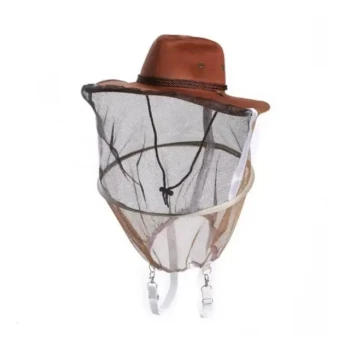
- Premium Cowboy Beekeeper Hat with Visibility Veil Outdoor Professional Beekeeping Protective Gear
- Beekeeper Cowboy Hat and Veil for Beekeeping
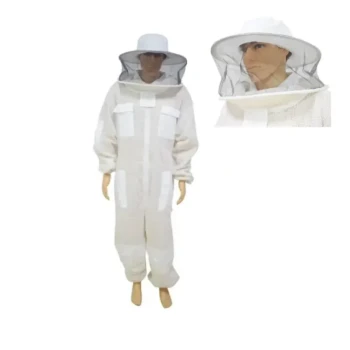
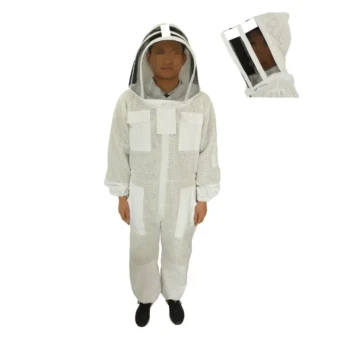
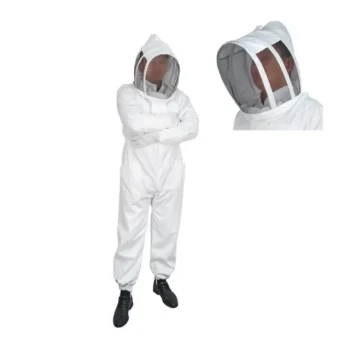
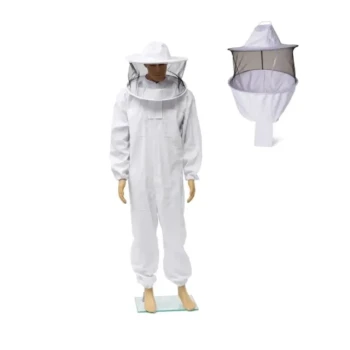
- Premium Three Layer Ventilated Bee Suit with Round Veil
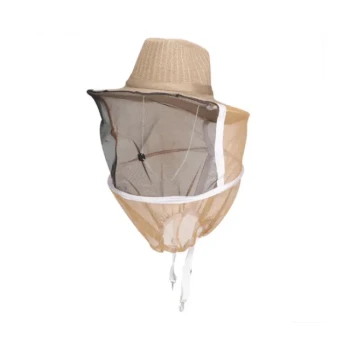
- High-Definition Beekeeper Hat with Round Veil Mesh for Beekeeping
- White Cotton Beekeeping Jacket and Veil for Bee Keepers
People Also Ask
- What design features contribute to the stability and fit of the beekeeper hat? Key Features for Maximum Hive Safety
- How is the beekeeper hat designed for comfort and practicality? Explore Key Features for Enhanced Apiary Safety
- What is the general protective gear recommendation for new beekeepers? Your Essential Beginner's Safety Guide
- How does beekeeping protective gear facilitate the queen bee selection process? Enhancing Precision in Queen Breeding
- What should beekeepers consider when choosing protective gear? A Guide for Maximum Safety & Comfort