Cross-wiring is a structural reinforcement technique used in beekeeping where a frame is fitted with both horizontal and vertical wires. This creates a grid-like support system designed to significantly increase the strength and rigidity of the frame, ensuring it can withstand the heavy loads associated with honeycomb production and honey storage.
Cross-wiring goes beyond standard horizontal reinforcement by adding vertical tension to create a comprehensive support grid. This technique is critical for ensuring the longevity and stability of large frames carrying heavy comb, though it is often excessive for smaller equipment.
The Structural Mechanics of the Hive
The Frame as a Foundation
Frames function like the studs in the walls of a house, providing the essential infrastructure for the colony. Because these components are movable, allowing beekeepers to shift them for hive management, they must remain rigid during handling.
Why Cross-Wiring is Used
The primary goal of cross-wiring is to maximize support. By installing wires in two directions—horizontally and vertically—you create a durable mesh that prevents the wax foundation from sagging or warping under the weight of brood and honey.
Application by Frame Size
Essential for Deep Frames
Cross-wiring is most commonly employed by beekeepers using deep beehive frames. These frames hold the largest surface area of comb and consequently bear the most significant weight, making the extra structural integrity vital to prevent failure.
Inefficiency for Smaller Frames
According to standard practice, this method is not recommended for medium or shallow frames. The reduced surface area of these smaller frames does not require the heavy-duty support of a cross-wired grid, making the technique unnecessary.
Understanding the Trade-offs
Material and Labor Costs
The primary downside to cross-wiring is the requirement for extra wire and installation time. Threading and tensioning wire in two directions is more labor-intensive than standard horizontal wiring.
Over-Engineering
For hobbyists or those using lighter equipment, cross-wiring can be considered over-engineering. If the frame size does not demand the extra support, the additional effort yields diminishing returns in terms of hive stability.
Making the Right Choice for Your Hive
To decide whether cross-wiring is necessary for your apiary, consider the specific equipment you are currently assembling.
- If your primary focus is deep frames: Adopt cross-wiring to ensure your large combs have the maximum support needed to prevent breakage or sagging.
- If your primary focus is medium or shallow frames: Stick to standard horizontal wiring to save time and materials without compromising structural integrity.
Match your reinforcement strategy to the physical demands of your hardware to ensure a durable and manageable hive.
Summary Table:
| Feature | Standard Wiring | Cross-Wiring |
|---|---|---|
| Reinforcement Direction | Horizontal Only | Both Horizontal & Vertical |
| Support Strength | Moderate | High (Maximum Rigidity) |
| Best Suitability | Medium & Shallow Frames | Deep Frames & Heavy Honey Loads |
| Installation Effort | Low | High (Labor Intensive) |
| Primary Benefit | Basic foundation support | Prevents warping and comb failure |
Maximize Your Apiary Efficiency with HONESTBEE
At HONESTBEE, we understand that commercial success depends on the durability of your equipment. Whether you are a large-scale distributor or managing a commercial apiary, our comprehensive wholesale range provides everything you need to build a stronger hive. From premium beekeeping tools to advanced hive-making and honey-filling machinery, we deliver the quality hardware required for high-volume production.
Ready to upgrade your infrastructure? Contact us today to explore our full spectrum of specialized equipment and industry consumables designed to scale your business.
Related Products
- HONESTBEE Wired and Assembled Wooden Bee Frames Foundation for a Thriving Hive
- Stainless Steel Bee Hive Frame Wire for Beekeeping
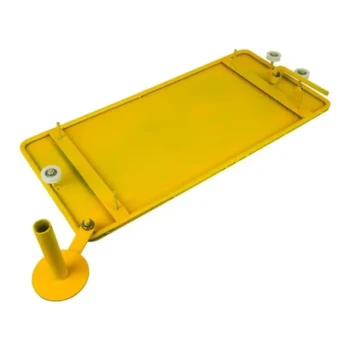
- HONESTBEE Durable Frame Wiring Board with Integrated Tensioner
- Assembled Wooden Bee Frames with Plastic Foundation for Durability and Convenience by HONESTBEE
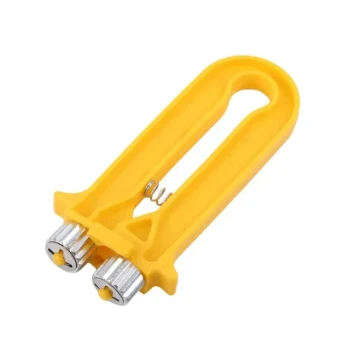
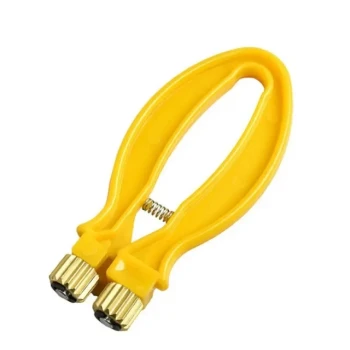
- HONESTBEE Ergonomic Spring Loaded Frame Wire Crimper
People Also Ask
- What role does replacing foundation and frames play in controlling American Foulbrood (AFB)? A Key to Hive Sanitation
- What is the difference between frames and foundation in a bee hive? A Guide to Hive Structure and Comb Building
- What is the role of frames and foundation in a bee hive? Build a Stable and Productive Apiary with Modern Design
- What is the purpose of frames and foundations in a beehive? Achieve a Healthy, Manageable Hive
- How do wooden and plastic hive frames compare in terms of durability? Wood vs. Plastic Longevity & Repairability