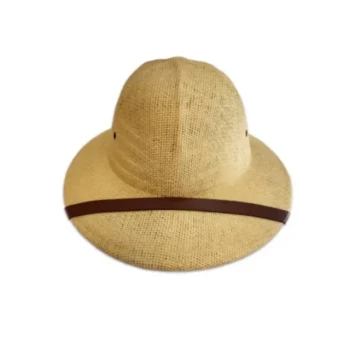
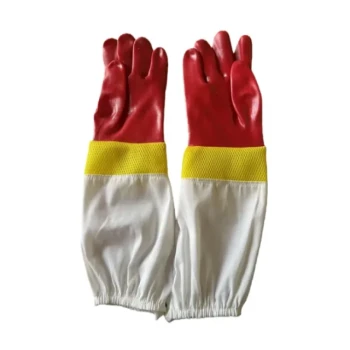
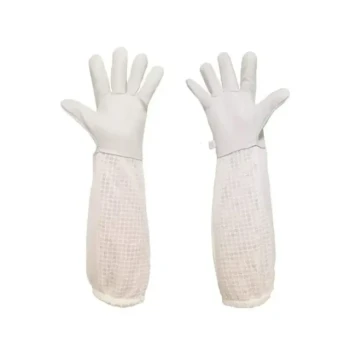
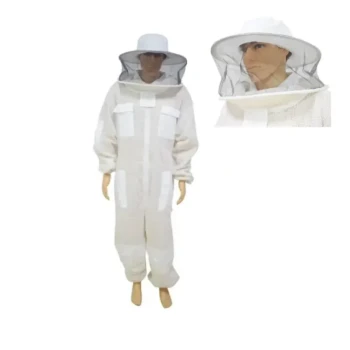
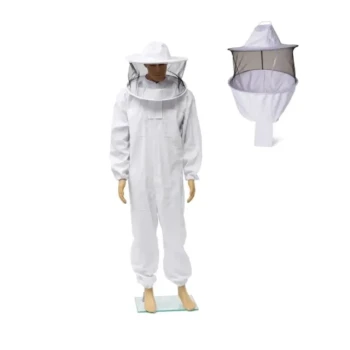
A beekeeper helmet acts as a structural foundation designed to be worn in conjunction with a protective veil. Its primary function is to support the veil, ensuring the mesh is held away from the face and neck to prevent bee stings. Additionally, it serves as a hard barrier to physically protect the top of the head.
The beekeeper helmet is not a standalone safety device but the structural "frame" for your protective gear. By anchoring the veil, it creates a crucial safety gap between the stinging insects and your skin.
The Role of the Helmet in Apiary Safety
Structural Support for Veils
The most critical function of the helmet is to provide stability for specific types of veils.
Many veils are designed without an internal structure and rely on the rigid brim of a helmet to hang correctly. Without the helmet, these veils would drape directly against the skin, rendering the protection useless as bees could sting through the mesh.
Physical Head Protection
Beyond supporting the veil, the helmet serves as a direct shield.
It acts as a physical barrier, protecting the scalp and the top of the head from potential stings. This is particularly important when working in dense hives where bees may land on the highest point of the operator.
Materials and Design Specifications
Construction Materials
Beekeeper helmets are typically engineered for durability and utility.
They are commonly manufactured from rigid plastic or woven mesh. Plastic offers superior durability and rain protection, while woven mesh is designed to offer structure while allowing heat to escape.
Color Considerations
You will almost exclusively find these helmets in white or tan.
These light colors are chosen intentionally to keep the wearer cool in direct sunlight. Dark colors can also agitate bees, making light-colored gear a standard safety practice.
Understanding the Trade-offs
Equipment Compatibility
One limitation of the separate helmet is that it requires compatible gear.
Unlike modern integrated suits where the hood is zipped onto the collar, a helmet requires a specific type of veil designed to fit over a brim. If you purchase a helmet, you must ensure your veil is not designed for a "fencing style" or integrated suit.
Stability vs. Mobility
While helmets offer excellent structure, they can be less stable than integrated hoods during active movement.
If you bend over frequently or move quickly, an ill-fitting helmet can shift, potentially compromising the seal of the veil. It provides a rigid safe zone but lacks the flexibility of soft, integrated hoods.
Making the Right Choice for Your Goal
When deciding if a traditional helmet setup is right for your apiary work, consider your specific environmental needs.
- If your primary focus is maximizing airflow: Choose a woven mesh helmet, as it provides the necessary structure for the veil while allowing heat to dissipate from your head.
- If your primary focus is durability and weather resistance: Opt for a solid plastic helmet, which offers a robust barrier against rain and wear over time.
Selecting the right helmet ensures your protective system functions as a cohesive, safe unit.
Summary Table:
| Feature | Plastic Helmet | Woven Mesh Helmet |
|---|---|---|
| Primary Purpose | Maximum physical protection | Maximum ventilation/airflow |
| Durability | High; weather & impact resistant | Moderate; lightweight structure |
| Best For | Rain & heavy-duty apiary work | Hot climates & long hours |
| Compatibility | Standard tie-on or elastic veils | Standard tie-on or elastic veils |
| Color Benefits | Light colors (White/Tan) to stay cool and calm bees | Light colors (White/Tan) to stay cool and calm bees |
Scale Your Apiary Success with HONESTBEE
Are you looking to equip your commercial apiary or expand your distribution inventory? At HONESTBEE, we specialize in supporting large-scale operations and global distributors with a comprehensive wholesale portfolio. From essential beekeeper helmets and protective gear to advanced honey-filling machines and hive-making equipment, we provide the tools you need to maximize productivity.
Why partner with HONESTBEE?
- Comprehensive Wholesale Range: Access everything from industry consumables to heavy machinery.
- Quality Assurance: Durable equipment designed for professional use.
- End-to-End Solutions: We supply the hardware and the cultural merchandise to help your brand grow.
Ready to elevate your beekeeping business? Contact us today to discuss our wholesale pricing and tailored equipment solutions.
Related Products
- Rigid Pith Style Beekeeper Hat for Square Folding Veils
- Square Folding Beekeeping Hat with Integrated Veil
- White Cotton Beekeeping Jacket and Veil for Bee Keepers
- Beekeeping Jacket with Hood and Veil for Beekeepers
- Vented Beekeeping Jacket with Hood and Veil for Beekeepers
People Also Ask
- How is the beekeeper hat designed for comfort and practicality? Explore Key Features for Enhanced Apiary Safety
- What design features contribute to the stability and fit of the beekeeper hat? Key Features for Maximum Hive Safety
- How does the design of the beekeeping hat ensure comfort during extended use? Maximize Comfort for Long Apiary Hours
- What are the benefits of the lightweight fabric used in the beekeeping hat veil? Enhanced Visibility & Comfort for Hive Work
- What are the components and importance of a beekeeper's hat and veil? Essential Safety Gear for Apiary Success