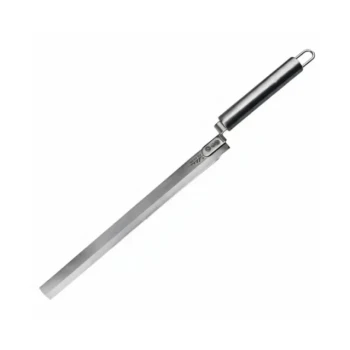
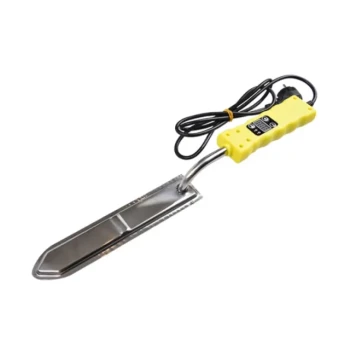
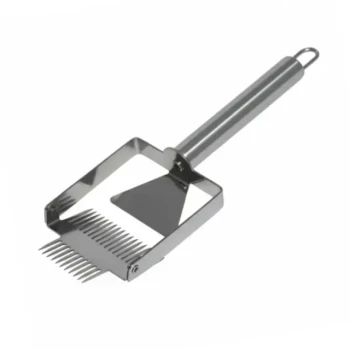
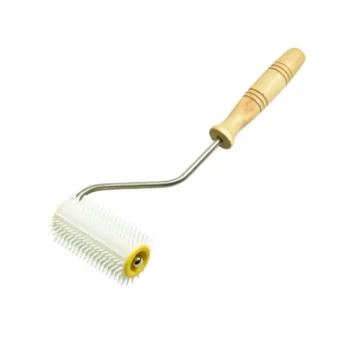
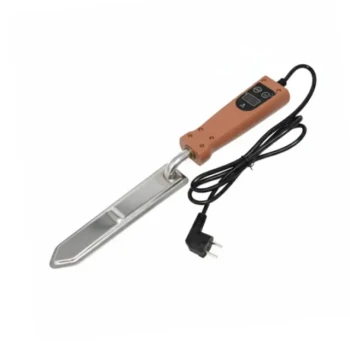
Professional uncapping tools serve a critical diagnostic function by enabling the precise removal of cell cappings during clinical examinations of honey bee colonies. By exposing the sealed brood, these tools allow technicians to directly observe larvae for specific pathological signs of Sacbrood Virus (SBV), such as discoloration and the failure to pupate.
By providing access to the sealed brood, uncapping tools facilitate the rapid field identification of the characteristic fluid-filled 'sac' structure of SBV, while simultaneously enabling the assessment of colony damage and Varroa destructor infestation rates.
The Mechanics of Clinical Diagnosis
Exposing the Pathogen
Sacbrood Virus primarily affects larvae, often killing them after their cell has been sealed but before they can pupate.
Professional uncapping tools allow inspectors to surgically open these sealed cells without destroying the hive structure. This precise access is the only way to visually inspect the pupal stage in the field.
Identifying Visual Symptoms
Once the cell is opened, the tool allows the examiner to check for the hallmark symptoms of SBV.
Technicians look specifically for discoloration in the larvae, which typically darkens as the virus progresses.
Confirming the 'Sac' Structure
The definitive visual sign of this virus is the formation of a fluid-filled 'sac' structure.
This occurs because the larva’s skin becomes tough and separates from the inner body, accumulating fluid between the layers.
Broader Diagnostic Utility
Rapid Field Identification
Time is a critical factor in managing contagious hive diseases.
Using uncapping tools allows for an immediate diagnosis on-site, eliminating the delay associated with sending samples to a laboratory.
Assessing Colony Damage
Beyond identifying the presence of the virus, these tools help quantify the severity of the infection.
By uncapping a statistical sample of brood, experts can determine the assessment of colony damage levels, which informs the treatment strategy.
Dual-Purpose Screening
The use of uncapping tools serves a dual diagnostic purpose.
While checking for SBV, the examiner can simultaneously determine Varroa destructor infestation rates, as these mites are often found reproducing inside sealed brood cells and can vector viruses.
Understanding the Trade-offs
Invasiveness vs. Information
Using uncapping tools is inherently invasive to the individual brood cells selected for inspection.
The unsealed larvae will likely perish or be removed by nurse bees; however, this sacrifice is necessary to gain the clinical insight required to save the entire colony.
Precision vs. Speed
While faster than lab testing, manual uncapping requires a steady hand and significantly more time than a simple external hive inspection.
It requires the technician to balance the need for precise observation with the efficiency required to inspect multiple colonies.
Making the Right Choice for Your Goal
Whether you are a researcher or a colony manager, understanding the specific utility of this tool ensures accurate data collection.
- If your primary focus is disease confirmation: Use the tool to identify the specific accumulation of fluid and the inability of the larva to pupate.
- If your primary focus is integrated pest management: Use the uncapping process to correlate viral symptoms with local Varroa mite population counts.
Mastering the use of professional uncapping tools is essential for moving beyond surface-level inspection to deep clinical understanding.
Summary Table:
| Diagnostic Function | Benefit to the Beekeeper | Clinical Utility |
|---|---|---|
| Surgical Cell Opening | Minimal hive disruption | Direct observation of larvae post-sealing |
| Symptom Identification | Rapid field diagnosis | Confirmation of 'sac' structure and discoloration |
| Damage Assessment | Quantifiable data | Calculation of infection severity and colony loss |
| Dual-Purpose Screening | Efficient IPM | Concurrent monitoring of Varroa mite population levels |
Maximize Your Colony Health with HONESTBEE
Efficient disease management starts with the right equipment. HONESTBEE specializes in serving commercial apiaries and distributors by providing high-quality beekeeping tools and advanced machinery. Whether you need precise uncapping tools for clinical diagnostics, hive-making machines, or comprehensive wholesale consumables, we offer the industrial-grade solutions required to protect your investment.
Ready to scale your operations or stock the industry's best equipment?
Contact HONESTBEE today for a wholesale consultation and see how our comprehensive portfolio—from honey-themed merchandise to specialized hardware—can drive your success.
References
- C. Roy, Bertille Provost. A severe sacbrood virus outbreak in a honeybee (Apis mellifera L.) colony: a case report. DOI: 10.17221/8248-vetmed
This article is also based on technical information from HonestBee Knowledge Base .
Related Products
- Professional Multi-Function Uncapping Fork with Ergonomic Rubber Grip
- Professional Stainless Steel Uncapping Fork with Wooden Handle
- Professional Multi-Function Uncapping Fork with Integrated Blade for Beekeeping
- Professional All-Stainless Steel Uncapping Knife for Beekeeping
- Professional Honey Uncapping Fork Tool with Customizable Tine Options
People Also Ask
- What is the primary use of an uncapping fork in beekeeping? A Guide to Precision Honey Harvesting
- What is the use of an uncapping fork? A Precision Tool for Hive Management and Honey Harvesting
- What is the original purpose of an uncapping fork? Mastering Precision Honey Extraction and Comb Preservation
- How is an uncapping fork used to uncap honey frames? Precision Techniques for Perfect Honey Extraction
- What is an uncapping fork? A Precision Tool for Efficient Honey Harvesting