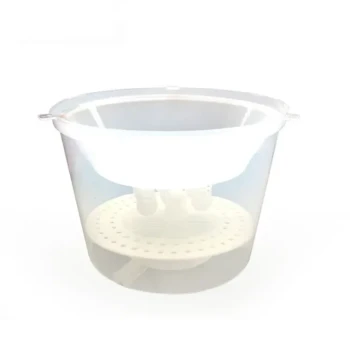
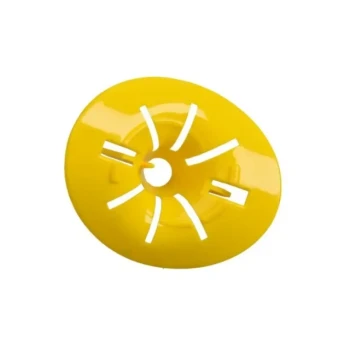
Propolis traps function by exploiting the natural biological instincts of bees to significantly improve both the quality and harvestability of bee by-products. By simulating structural gaps or crevices within the hive, these specialized devices trigger the colony's impulse to seal fissures, allowing beekeepers to systematically collect high-purity propolis without disrupting the primary honey production cycle.
Core Takeaway Propolis traps shift the harvest from an opportunistic manual task to a standardized production line. By providing a dedicated physical structure for bees to fill, these tools generate a cleaner, higher-value raw material that supports a diversified "multi-product" economic model for modern apiaries.
The Biological Mechanism of Extraction
Leveraging Natural Instincts
The fundamental principle behind a propolis trap is the simulation of hive defects. Bees possess an innate drive to seal gaps in their living space to maintain temperature and prevent intruders. Propolis collectors feature specific physical grid structures or crevices that mimic these gaps, compelling the bees to fill them with propolis rather than wax.
Non-Intrusive Harvesting
Unlike invasive harvesting methods that might stress the colony, propolis traps operate passively. They allow for the extraction of this secondary resource without interfering with normal colony development. This ensures that the collection of propolis does not negatively impact the hive’s primary energy focus: honey production.
Improving Quality and Refinement Efficiency
Maximizing Purity
One of the most critical functions of a propolis trap is the reduction of contamination. Traditional scraping methods often result in raw material mixed with wood chips, paint, or beeswax. Propolis collectors yield high-purity raw materials, significantly reducing the presence of physical impurities right at the source.
Streamlining Downstream Processing
The quality of the raw harvest directly impacts the manufacturing of bee products. Because traps produce cleaner raw propolis, they reduce the need for intensive purification and impurity removal during later stages. This is particularly vital for producing pharmaceutical-grade or cosmetic-grade products, where the concentration of active flavonoids is prioritized over filtering out debris.
Economic Implications for the Apiary
Creating a Multi-Product Matrix
Propolis traps are essential tools for transitioning an apiary from a single-product operation (honey only) to a resilient, multi-product business. By systematically harvesting propolis alongside pollen and royal jelly, beekeepers create a diversified output structure.
Increasing Resource Utilization
These tools serve as a core process supplement, allowing the apiary to maximize the economic value extracted from every hive. This diversification increases the resilience of the beekeeping production chain, buffering the business against fluctuations in the honey market.
Understanding the Trade-offs
Equipment vs. Manual Labor
While manual scraping is "free" in terms of equipment, it is costly in terms of labor and results in a low-grade product suitable only for crude applications. Introducing propolis traps requires an initial investment in specialized consumables, but this is the only viable path to obtaining the "clean" propolis required for high-value markets.
Specificity of Output
It is important to recognize that propolis traps are designed for a specific type of yield: resin-based sealing material. They do not aid in pollen or royal jelly collection; those require their own distinct physical traps (grids for pollen, specific harvesting equipment for jelly). A fully modernized apiary requires a suite of these specialized tools to capture the full range of by-products.
Making the Right Choice for Your Goal
To maximize the potential of your apiary, align your equipment choices with your specific production targets:
- If your primary focus is Pharmaceutical or Cosmetic Supply: Prioritize propolis traps to ensure high-purity raw materials that require less solvent extraction and refinement to remove wood and debris.
- If your primary focus is Economic Resilience: Implement propolis traps alongside pollen collectors to create a "multi-product matrix," reducing your financial dependence on honey yields alone.
Systematic use of propolis traps transforms a hive's defensive habit into a high-value, standardized production asset.
Summary Table:
| Feature | Traditional Scraping | Propolis Trap Harvesting |
|---|---|---|
| Purity Level | Low (includes wood, wax, paint) | High (clean, resin-focused) |
| Labor Intensity | High (manual scraping) | Low (passive collection) |
| Product Value | Low-grade / Crude | Pharmaceutical / Cosmetic Grade |
| Impact on Hive | Intrusive / Stressful | Passive / Non-disruptive |
| Economic Model | Single-product focus | Diversified multi-product matrix |
Maximize Your Apiary's Commercial Potential with HONESTBEE
Transition from a honey-only operation to a high-value, multi-product business model. HONESTBEE provides commercial apiaries and distributors with the professional-grade tools needed to optimize every harvest. From precision propolis traps that ensure pharmaceutical-grade purity to industrial honey-filling machines and hive-making equipment, we supply the full spectrum of hardware and consumables your business requires.
Why Partner with HONESTBEE?
- Comprehensive Wholesale Catalog: One-stop sourcing for all beekeeping machinery and tools.
- Industry-Specific Solutions: Equipment designed for large-scale efficiency and durability.
- Value-Added Products: Access a wide array of honey-themed cultural merchandise to expand your brand.
Ready to scale your production and improve your yield quality? Contact our experts today to discuss our wholesale offerings and how we can support your growth.
References
- Ersin Güngör. DETERMINATION OF OPTIMUM MANAGEMENT STRATEGY FOR HONEY PRODUCTION FOREST LANDS USING A'WOT AND CONJOINT ANALYSIS: A CASE STUDY IN TURKEY. DOI: 10.15666/aeer/1603_34373459
This article is also based on technical information from HonestBee Knowledge Base .
Related Products
- 8 Frame and 10 Frame Propolis Trap Collector Screen for Propolis Collection
- Professional Bucket Style Wasp and Moth Pheromone Trap
- 30 cm Plastic Entrance Hole Bee Pollen Trap and Collector
- Removable Plastic Pollen Trap With Ventilated Tray for Bees Pollen Collector
- Compact Multi-Funnel Hanging Wasp Trap
People Also Ask
- Why is a specific wooden frame required when installing a propolis screen? Optimize Your Propolis Harvest Efficiency
- What are the advantages of using propolis collector screens? Elevate Your Harvest to Pharmaceutical Purity
- How do propolis collection screens work? Discover material specs for commercial harvesting equipment
- How does the mesh size of a propolis collection screen influence the efficiency of propolis harvesting? Optimize Yields!
- How do commercial-grade plastic screens compare to custom fine-mesh screens? Maximize Your Propolis Yield & ROI