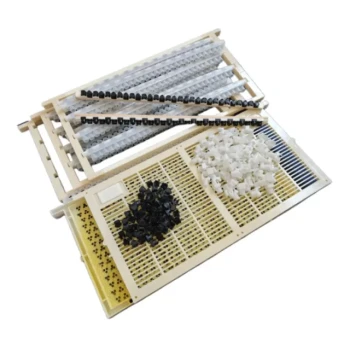
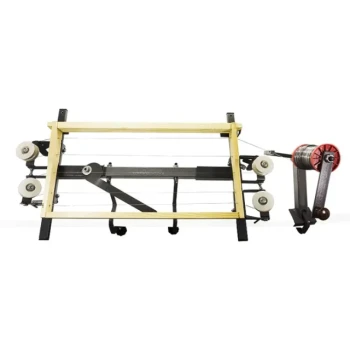
Specialized bee feeding systems serve as a precision delivery mechanism for plant-based nutrient solutions during periods when natural nectar is unavailable. Instead of providing standard sugar syrup, these systems introduce specific extracts—such as green walnut or chlorella—allowing bees to biologically transform these ingredients into functional honey with targeted health benefits.
By leveraging the natural biotransformation capabilities of honeybees, these feeding systems convert extract-enriched solutions into bioactive honey, bridging the gap between traditional apiculture and preventive nutrition.
The Mechanics of Guided Production
Bridging Nutritional Gaps
In the guided production of functional honey, the timing of feeding is critical. These systems are primarily utilized during periods of natural nectar scarcity.
This ensures that the colony's intake is focused on the provided nutrient solution rather than diluted by random foraging. It replaces the traditional method of simple syrup feeding, shifting the goal from mere survival to active production.
The Biotransformation Advantage
The core function of this system is to utilize the bee as a biological processor. When bees ingest the nutrient solution, they do not simply store it.
They metabolize and enrich the active plant ingredients through their own enzymatic processes. This biological conversion enhances the bioavailability of the ingredients, transforming raw extracts into a stable, functional food source.
Creating Targeted Biological Effects
Integration of Specific Extracts
The feeding systems allow producers to introduce precise formulations into the hive. The primary reference highlights the use of extracts such as green walnut, sea buckthorn, and chlorella.
These ingredients are chosen for their known health properties. The system ensures a consistent dosage is delivered to the colony for processing.
Functional Health Outcomes
The ultimate goal of this guided process is to create "preventive food raw materials." By processing these specific extracts, the resulting honey possesses distinct biological effects.
For example, honey produced through this method can be tailored to support specific health goals, such as blood sugar reduction. This moves the product category from a general sweetener to a functional dietary component.
Understanding the Trade-offs
The Risk of Environmental Contamination
While the feeding system controls the input of nutrients, it cannot filter the external environment. Supplementary data indicates that the biological safety of active ingredients relies on the bees foraging in pollution-free zones.
If the hives are located near industrial pollution or pesticide sources, the purity of the functional honey is compromised, regardless of the sophistication of the feeding system.
Timing and Resource Dependencies
This method is heavily dependent on specific environmental conditions. It is most effective when natural nectar is scarce, which limits the production window.
Furthermore, relying on this system requires a consistent supply of high-quality plant extracts. Poor-quality raw materials will result in a substandard end product, as the bees can enrich but not fundamentally repair degraded inputs.
Making the Right Choice for Your Goal
To implement specialized feeding systems effectively, you must align your equipment with your production objectives.
- If your primary focus is Medical-Grade Purity: Prioritize placing feeding systems in isolated, pollution-free environments to protect the integrity of flavonoids and amino acids.
- If your primary focus is Functional Product Development: Focus on the precise formulation of nutrient solutions (e.g., green walnut or chlorella) to target specific biological outcomes like blood sugar management.
Success in functional honey production lies not just in feeding the bees, but in strictly controlling what they are fed and where they live.
Summary Table:
| Key Feature | Functional Role in Guided Production | Impact on Final Product |
|---|---|---|
| Precision Delivery | Introduces specific plant extracts (Walnut, Chlorella) during nectar scarcity | Ensures targeted nutrient concentration |
| Biotransformation | Utilizes bee enzymes to process raw plant extracts | Increases bioavailability of active ingredients |
| Controlled Intake | Replaces standard sugar syrup with nutrient-dense solutions | Shifts production from general sweetener to functional food |
| Targeted Health Goals | Tailors nutrient input to specific biological outcomes | Creates honey capable of blood sugar management |
| Environmental Control | Operates within pollution-free foraging zones | Maintains medical-grade purity and safety |
Revolutionize Your Honey Production with HONESTBEE
Elevate your apiary from traditional honey harvesting to high-value functional honey production. At HONESTBEE, we specialize in empowering commercial apiaries and distributors with the tools needed for precision beekeeping. From advanced feeding systems and hive-making machinery to specialized honey-filling equipment, we provide the full spectrum of hardware and consumables required to succeed in the functional food market.
Partner with HONESTBEE to:
- Access professional-grade beekeeping machinery and tools.
- Scale your operations with our comprehensive wholesale offerings.
- Diversify your portfolio with honey-themed cultural merchandise.
Ready to lead the future of preventive nutrition? Contact our expert team today to source the equipment and expertise you need to thrive.
References
- József Prokisch, Csaba Oláh. Functional Yogurt Fortified with Honey Produced by Feeding Bees Natural Plant Extracts for Controlling Human Blood Sugar Level. DOI: 10.3390/plants11111391
This article is also based on technical information from HonestBee Knowledge Base .
Related Products
- HONESTBEE Professional Hive Top Bee Feeder Feeding Solution
- HONESTBEE Professional Entrance Bee Feeder Hive Nutrition Solution
- HONESTBEE Entrance Bee Feeder Professional Hive Nutrition Solution for Beekeeping
- Professional Hive Top Bee Feeder for Beekeeping
- Professional In-Hive Bee Feeder HONESTBEE Frame for Beekeeping
People Also Ask
- How does a bee hive top feeder work? A Guide to Efficient, Protected Feeding
- Do I need an inner cover with a hive top feeder? Optimize Your Hive Setup for Healthy Bees
- What is a hive top feeder? A Guide to Efficient, Low-Stress Beekeeping
- What is a hive top feeder, and how does it work? A Complete Guide to Efficient In-Hive Feeding
- What are the characteristics, advantages, and disadvantages of hive top feeders? Optimize Your High-Volume Feeding