Specialized hive entrance structures serve as the critical first line of defense for stingless bee colonies. These engineered apertures act as high-efficiency physical barriers that exclude predatory pests like phorid flies and wasps while significantly reducing the entry points for external pathogens. By integrating species-specific dimensions with precision-manufactured hive bodies, these structures allow bees to optimize their natural use of antimicrobial resins to seal the colony effectively.
Core Takeaway: Professional-grade hive entrances provide a dual-layer defense system—combining mechanical exclusion with biological protection—to ensure colony survival and maximize the commercial viability of stingless beekeeping operations.
Engineering Physical Barriers for Colony Integrity
Exclusion of Predatory Species
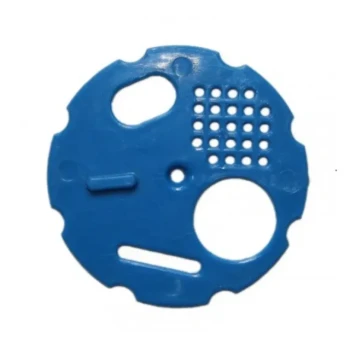
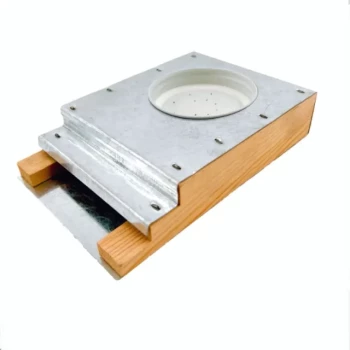
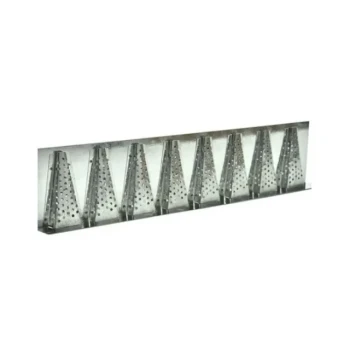
The primary function of specialized entrance tubes or narrow apertures is to physically prevent the entry of larger predators and invasive pests. Phorid flies and wasps are the most common threats that can collapse a colony; a precisely sized entrance allows guard bees to defend the hive with maximum efficiency.
Precision Assembly and Gap Reduction
High-precision hive manufacturing ensures that the entrance is the only significant opening in the structure. By minimizing unnecessary gaps and cracks, the hive reduces the risk of secondary infestations and prevents pathogens from bypassing the colony's primary defense line.
Species-Specific Defensive Reinforcement
Different species, such as Heterotrigona itama, require specific entrance geometries to facilitate their unique defensive behaviors. Specialized entrances, often funnel-shaped or tubular, mimic natural nesting environments like tree hollows to provide the optimal defensive posture for the colony's guard bees.
Biological and Microclimatic Protection
Harnessing Antimicrobial Propolis
Stingless bees use propolis—a mixture of wax and plant resins—to coat the entrance and internal structures. This material possesses potent antimicrobial properties that serve as a biological filter, neutralizing pathogens carried by incoming bees before they reach the brood chamber.
Microclimate Regulation
Beyond pest control, specialized entrances help regulate the hive’s internal microclimate by limiting the impact of external temperature and humidity fluctuations. A stable internal environment reduces colony stress, which directly correlates to a stronger immune response and lower susceptibility to disease.
Energy Conservation for Hive Health
By providing a well-sealed environment, specialized hives reduce the need for bees to consume energy building extensive "batumen" walls (defensive resin barriers). This allows the colony to redirect its energy toward reproduction and honey storage, resulting in faster colony growth and higher yields.
Understanding the Trade-offs and Pitfalls
The Risk of Low-Precision Manufacturing
Using generic or poorly fitted hive components can create "blind spots" where pests can enter undetected by guard bees. Inconsistent entrance diameters may also prevent larger species from foraging effectively or allow smaller pests to enter unhindered, leading to rapid colony decline.
Species Incompatibility
A "one-size-fits-all" approach to entrance design is a common pitfall in commercial beekeeping. Entrance structures must be matched to the specific morphology of the bee species; an aperture that is too wide invites predation, while one that is too narrow can restrict ventilation and cause heat stress.
Selecting the Right Solutions for Your Portfolio
As a distributor or wholesaler, offering scientifically engineered hive systems allows you to provide a "one-stop" solution that guarantees higher success rates for your clients.
- If your primary focus is large-scale commercial pollination: Prioritize modular, precision-fit hive systems that allow for rapid deployment and minimal maintenance overhead.
- If your primary focus is premium honey production: Invest in hives featuring species-specific entrance tubes that optimize resin use and maximize colony energy for honey storage.
- If your primary focus is conservation and wild capture: Focus on bait hives and specialized colonization structures that mimic natural tree hollows to ensure high survival rates during initial establishment.
By providing specialized hive structures, you empower your clients with the professional infrastructure necessary for resilient and profitable stingless beekeeping.
Summary Table:
| Feature | Primary Function | Commercial Benefit |
|---|---|---|
| Physical Barrier | Excludes phorid flies and wasps | Reduces colony loss and maintenance |
| Precision Fit | Eliminates gaps and cracks | Prevents secondary pest infestations |
| Species Geometry | Mimics natural nesting tubes | Optimizes defensive bee behavior |
| Resin Support | Facilitates propolis/batumen use | Enhances natural antimicrobial protection |
| Climate Control | Limits thermal & humidity swings | Improves immune response and honey storage |
Scale Your Portfolio with HONESTBEE’s Professional Beekeeping Solutions
As a global leader in one-stop sourcing, HONESTBEE caters specifically to distributors, wholesalers, and commercial apiaries. We provide a comprehensive, full-spectrum product portfolio—from precision-engineered hives and hive-making machinery to honey-filling equipment and essential industry consumables.
Why Partner with HONESTBEE?
- High-Margin Wholesale Offerings: Access premium hardware and honey-themed merchandise designed for B2B success.
- Rapid Fulfillment: Benefit from our ultra-fast delivery and efficient order processing to keep your supply chain moving.
- Industry Expertise: Leverage our deep professional knowledge and dedicated customer service to support your technical needs.
- OEM/ODM Support: Tailor-made solutions to meet the specific requirements of your regional markets.
Ready to elevate your beekeeping business with reliable, high-performance equipment? Contact us today to explore our wholesale catalog!
References
- Conrado Ronaldo Quiroz-Medina, Francisco Bismarck Rivera Silva. Caracterización de la meliponicultura en el municipio de El Sauce, León, Nicaragua. DOI: 10.5377/universitas.v16i1.19073
This article is also based on technical information from HonestBee Knowledge Base .
Related Products
- Multi-Functional Sliding Hive Entrance for Beekeeping
- Professional Reversible Beehive Hive Entrance
- Multi-Functional Rotary Hive Entrance Disc for Beekeeping
- Boardman Entrance Bee Feeder Durable Galvanized Steel and Wood Construction for Beekeeping
- Beehive Entrance Reducer Guardian Metal Hive Entrance for Bees
People Also Ask
- What roles does the hive entrance (piquera) play in beehive management and colony health? Essential Guide for Pro Apiaries
- Where is the hive entrance typically located? Optimize Your Hive's Health and Honey Production
- What role does the size of the entrance play in hive ventilation? Master Beehive Climate Control
- What is the best entrance for a bee hive? Maximize Colony Health & Honey Production
- What happens if you block the entrance to a bee hive? Avoid This Dangerous Mistake