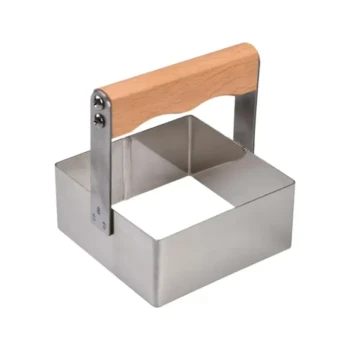
The 2 cm gap at the bottom of a Mobile Divider is a deliberate hygienic design feature. Its primary function is to grant worker bees access to the space immediately beneath the divider, allowing them to perform their natural cleaning behaviors. This access prevents the formation of protected areas where Small Hive Beetles (SHB) could otherwise breed undisturbed.
By allowing worker bees to patrol the bottom of the divider, this design leverages the colony’s natural defense instincts to locate and remove beetle eggs or larvae before they can mature into a damaging infestation.
The Mechanics of Hive Hygiene
Preventing "Dead Zones"
In hive management, a "dead zone" is any area within the hive structure that worker bees cannot physically access.
Without the 2 cm gap, debris and biological waste would accumulate at the base of the divider. This creates an ideal, protected environment for pests to hide and reproduce away from the colony's defensive measures.
Empowering Worker Bees
Honey bees are fastidious cleaners by nature.
By incorporating this gap, the equipment aligns with the biological instincts of the bees. It ensures they can physically reach the floor of the hive to drag out debris, dead brood, or foreign insect matter.
Implications for Small Hive Beetle Control
Interrupting the Breeding Cycle
The most critical function of this gap is the removal of SHB eggs and larvae.
Small Hive Beetles seek out crevices to lay eggs. If bees can access the area under the divider, they will actively remove these eggs or young larvae, effectively breaking the reproductive cycle of the beetle before it threatens the colony.
Distinguishing Between Dividers and Traps
It is vital to distinguish the purpose of the Mobile Divider from that of a bait trap.
While bait traps use narrow slits specifically to exclude bees and admit only beetles to toxic areas, the Mobile Divider's 2 cm gap is designed to admit bees. The divider relies on the bees' physical presence for control, rather than chemical baits.
Understanding the Trade-offs
The Risk of Obstruction
While the gap is essential for hygiene, it is not a "set and forget" feature.
Debris, burr comb, or propolis accumulation can eventually block this 2 cm space. If this occurs, the gap loses its function, and the very dead zone it was designed to prevent will form.
Reliance on Colony Strength
This design feature relies entirely on a healthy population of worker bees.
If the colony is weak or has low numbers, there may not be enough bees to patrol the gap effectively. In such cases, the gap alone is insufficient to prevent beetle larvae from taking hold.
Making the Right Choice for Your Goal
To maximize the effectiveness of your Mobile Divider, consider your current hive management strategy:
- If your primary focus is Preventative Maintenance: Regularly inspect the bottom of the divider to ensure the 2 cm gap remains free of propolis and wax, ensuring bees have constant access.
- If your primary focus is Active Infestation Control: Do not rely on the divider alone; combine it with targeted traps that exclude bees, specifically designed to capture adult beetles.
Correctly utilizing this gap transforms your hive hardware from a simple barrier into an active component of your colony's immune system.
Summary Table:
| Feature | Purpose | Benefit |
|---|---|---|
| 2 cm Gap | Bee Accessibility | Allows workers to patrol the hive floor and remove debris. |
| Hygienic Design | Eliminates "Dead Zones" | Prevents SHB from finding protected areas to lay eggs. |
| Natural Defense | Pest Cycle Interruption | Leverages bee instincts to remove larvae before infestation. |
| Maintenance Need | Propolis Management | Requires regular checks to ensure the gap remains unobstructed. |
Maximize Your Colony Productivity with HONESTBEE
At HONESTBEE, we understand that precision engineering in beekeeping tools makes the difference between a thriving apiary and a struggling one. We cater specifically to commercial apiaries and distributors, providing a comprehensive wholesale range of everything from hive-making machinery and honey-filling equipment to specialized consumables.
Our expert-designed solutions, like the hygienic Mobile Divider, empower your bees and streamline your operations. Whether you are looking to scale your production or supply your local market with premium hardware, we are here to support your growth.
Ready to upgrade your wholesale supply? Contact HONESTBEE Today for a Custom Quote
References
- Camilla Di Ruggiero, Giovanni Formato. Updates on the Mobile Divider and Its Use in Calabria Region to Monitor and Control Aethina tumida Infestation. DOI: 10.3390/app112210637
This article is also based on technical information from HonestBee Knowledge Base .
Related Products
People Also Ask
- How is a comb cutter used to produce cut comb honey? Master the Art of Precision Harvesting
- Why is the comb-cutting technique preferred for Apis cerana queen rearing? Boost Success with Natural Bee Biology
- What is the cut comb honey method? A Guide to Pure, Artisanal Honey Production
- How is the cut comb method used to harvest honey? Master the Art of Premium Unprocessed Honey Production
- What is cut comb honey, and how is it prepared? Experience Honey in Its Purest Form