The comb-cutting technique is preferred primarily due to the distinct biological sensitivity of Apis cerana. Unlike other honeybee species, Apis cerana possesses a highly sensitive olfactory system that triggers an immediate aversion to the plastic materials used in traditional grafting cups. By utilizing natural beeswax combs instead of artificial tools, beekeepers can bypass this rejection response and maintain the natural hive environment required for successful queen rearing.
While plastic tools are standard in many apiaries, they introduce foreign materials that Apis cerana colonies frequently reject. The comb-cutting technique leverages natural materials to align with the bees' olfactory preferences, resulting in significantly higher acceptance and success rates.
The Biological Barrier to Traditional Tools
Olfactory Sensitivity
Apis cerana colonies are driven by a highly acute sense of smell. This sensitivity makes them intolerant of foreign objects introduced into the hive.
The Rejection Response
When traditional plastic queen cups or supports are used, the bees detect the artificial material immediately. This detection often leads to an aversion response, causing the colony to reject the grafted larvae or tear down the artificial cells entirely.
Why Comb-Cutting Succeeds
Eliminating Foreign Materials
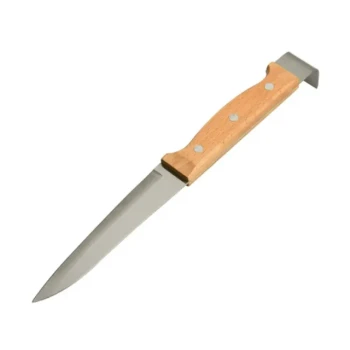
The core advantage of the comb-cutting technique is the exclusion of artificial substrates. By cutting natural beeswax combs and fixing them directly to the queen rearing frame, you remove the plastic triggers that cause rejection.
Preserving the Hive Environment
Using the colony's own wax maintains the chemical and textural consistency of the hive. This approach ensures the rearing environment feels natural to the nurse bees, encouraging them to tend to the queen cells rather than remove them.
Improving Acceptance Rates
Because the barrier of "foreign material" is removed, the bees are far more likely to accept the new queen cells. This leads to a statistically significant increase in the overall success rate of the queen rearing process compared to plastic grafting methods.
Understanding the Trade-offs
Material Convenience vs. Biological Compatibility
Beekeepers often prefer plastic grafting tools for their durability and standardization. However, when working with Apis cerana, relying on these "convenient" tools is often a pitfall.
The Necessity of Natural Substrates
The trade-off here is distinct: you must sacrifice the reusability and standardization of plastic cups to accommodate the biological needs of the bee. While cutting natural comb may require handling delicate wax rather than rigid plastic, it is a necessary adaptation to overcome the species' specific aversion to artificial inputs.
Making the Right Choice for Your Goal
To maximize your success with Apis cerana, consider the following recommendations:
- If your primary focus is high acceptance rates: Prioritize the comb-cutting technique to ensure the rearing frame consists entirely of natural beeswax.
- If your primary focus is avoiding colony stress: Avoid the introduction of plastic cups or supports, as these trigger defensive or rejection behaviors due to olfactory sensitivity.
Aligning your rearing methods with the unique sensory biology of the bee is the single most effective way to ensure a productive queen rearing cycle.
Summary Table:
| Feature | Traditional Plastic Grafting | Comb-Cutting Technique |
|---|---|---|
| Material Used | Artificial plastic cups/supports | Natural beeswax from the colony |
| Bee Acceptance | Low (rejected due to olfactory sensitivity) | High (aligns with natural hive scent) |
| Larvae Stress | Higher (introduction of foreign tools) | Minimal (stays in original wax) |
| Worker Behavior | Often triggers defensive/rejection response | Encourages natural nursing behavior |
| Primary Benefit | Standardized and reusable tools | Maximized queen rearing success rates |
Elevate Your Queen Rearing Success with HONESTBEE
For commercial apiaries and distributors, aligning with bee biology is the key to a productive season. At HONESTBEE, we understand the unique needs of species like Apis cerana. We provide a comprehensive range of high-quality beekeeping tools, specialized hive-making machinery, and essential industry consumables designed to support both traditional techniques and modern efficiency.
Whether you are scaling your operation or sourcing wholesale equipment, our expert-backed portfolio ensures your success. Contact us today to explore our full spectrum of honey-themed cultural merchandise and professional-grade machinery tailored for the global beekeeping industry.
References
- Effects of Queen Rearing Technology of Apis cerana by Cutting Comb on Reproductive Capacity and Productive Performance. DOI: 10.3390/agriculture15232508
This article is also based on technical information from HonestBee Knowledge Base .
Related Products
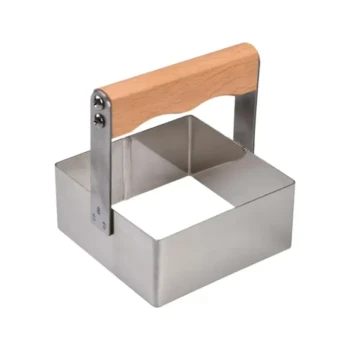
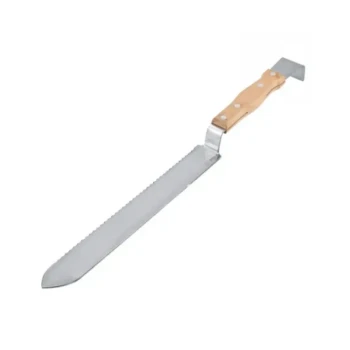
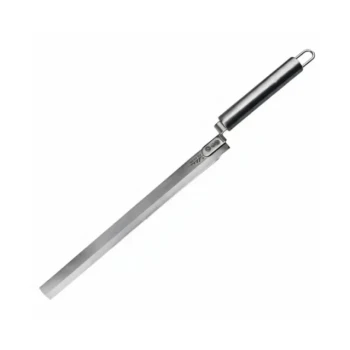
- Heavy Duty Stainless Steel Honeycomb Cutter
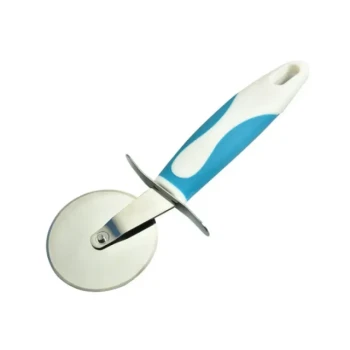
- Professional Rolling Wax Cutter with Ergonomic Handle
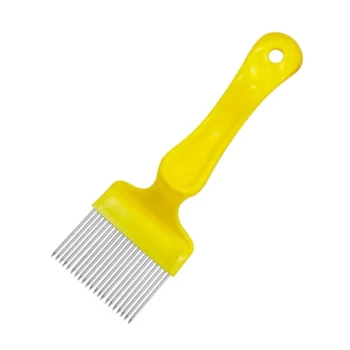
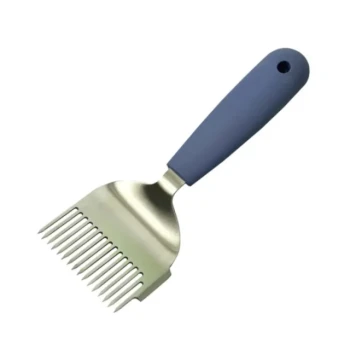
- Professional Honey Uncapping Fork Tool with Customizable Tine Options
- Professional Customizable Honey Uncapping Fork with Adjustable Tine Options
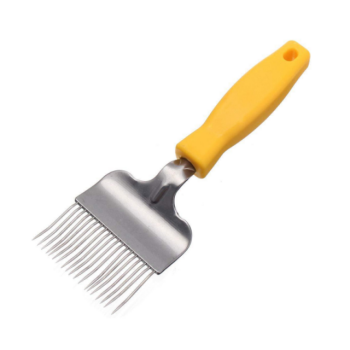
- Professional Bent Tine Honey Uncapping Fork with Ergonomic Grip
People Also Ask
- How is a comb cutter used to produce cut comb honey? Master the Art of Precision Harvesting
- What is the cut comb honey method? A Guide to Pure, Artisanal Honey Production
- How is the cut comb method used to harvest honey? Master the Art of Premium Unprocessed Honey Production
- What is cut comb honey, and how is it prepared? Experience Honey in Its Purest Form
- How is 'cut-comb' honey produced and prepared for sale? A Guide to Premium Honeycomb Production