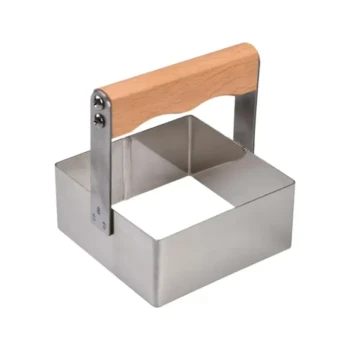
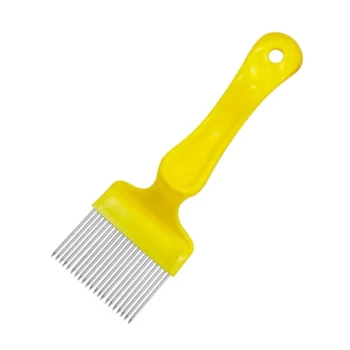
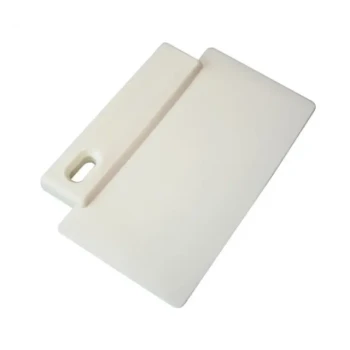
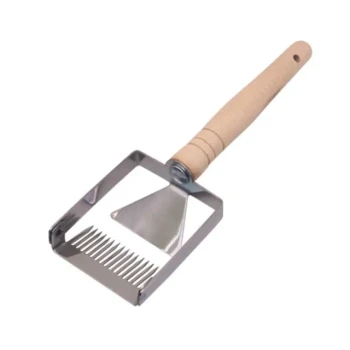
A comb cutter is a specialized implement used to extract precise, square sections of raw honeycomb directly from a hive frame. Much like a cookie cutter, it is pressed through the comb to produce a "cut comb" product that retains the natural wax structure and the raw honey inside, ready for packaging in dimension-matched containers.
Core Takeaway Producing cut comb honey involves pressing a cutter through a fully capped, unwired honeycomb frame to create uniform squares. Success depends on using the correct foundation type, warming the tool for clean cuts, and freezing the final product to ensure shelf stability.
Preparing for a Successful Harvest
Before applying the cutter, you must ensure the honeycomb frame is suitable for this specific harvesting method.
Foundation Requirements are Critical
You cannot use a comb cutter on frames with plastic foundations or wire reinforcement.
The cutter is designed to slice through wax only. Attempting to cut through wires or plastic will damage the tool and destroy the comb structure. You must use frames with wireless wax foundation or frames where the bees built the comb with no foundation at all.
Selecting the Right Frame
Only harvest frames that are fully capped and sealed.
Capped cells indicate that the bees have reduced the nectar's moisture content to the appropriate level. Cutting into uncapped comb can lead to high moisture levels, which may cause the honey to ferment in the package.
The Cutting and Extraction Process
Once the proper frame is selected, the physical process relies on precision and temperature control.
Warming the Tool
For the cleanest edges, it is highly recommended to warm the cutter before use.
A warm blade melts through the wax slightly as it cuts, reducing drag and preventing the delicate cell walls from crushing or tearing.
Executing the Cut
Press the cutter through the depth of the comb until it cuts completely through the wax structure.
This creates a standalone block of honey and wax. While a high-quality kitchen knife can be used, a specialized comb cutter ensures uniform sizing that fits standard packaging.
Immediate Packaging
Remove the cut square and place it directly into its final container.
Comb cutters are typically sized to match specific plastic or clear containers. This minimizes handling and ensures the delicate comb remains supported during transport and sale.
Essential Post-Harvest Processing
Harvesting cut comb requires an additional preservation step that liquid honey does not.
Freezing is Mandatory
After cutting and packaging, you must freeze the comb sections.
Freezing kills the eggs of wax moths, a common hive pest. Without this step, moth larvae can hatch inside the package at room temperature, ruining the product and causing infestation.
Common Pitfalls to Avoid
Producing cut comb requires stricter management than liquid honey extraction.
Avoid Wired Frames
Never attempt to force a cutter through a standard brood frame or wired super. You will hit the cross-wires, ruining the aesthetic of the square and potentially breaking the cutter.
Moisture Content Risks
Do not succumb to the temptation of harvesting partially capped frames to increase yield.
Unlike liquid honey, which can be dehumidified in a tank, moisture is locked into the cut comb. High moisture leads to fermentation, which spoils the taste and causes the package to expand or leak.
Making the Right Choice for Your Goal
- If your primary focus is retail sales: Prioritize using a specialized cutter and matching containers to create a uniform, professional appearance that consumers expect.
- If your primary focus is product longevity: Ensure you freeze every container for at least 24 hours to eliminate the risk of wax moth damage during storage.
Success in cut comb production lies in the preparation of the frame, not just the motion of the cutter.
Summary Table:
| Step | Requirement | Purpose |
|---|---|---|
| Frame Type | Wireless Wax Foundation | Ensures tool can slice through without damage |
| Maturity | Fully Capped Cells | Prevents fermentation and ensures shelf stability |
| Tool Prep | Warm the Cutter | Creates clean, sharp edges without crushing cells |
| Post-Harvest | Freezing (24+ Hours) | Eliminates wax moth eggs and larvae |
Elevate Your Apiary's Commercial Success with HONESTBEE
Transitioning from liquid honey to premium cut comb production requires precision tools and reliable equipment. HONESTBEE specializes in supporting commercial apiaries and distributors by providing a comprehensive wholesale range of professional beekeeping machinery, specialized hardware, and essential consumables.
Whether you need industrial-grade honey-filling machines to scale your operations or high-quality hive-making equipment, our portfolio is designed to enhance your efficiency and product value.
Ready to scale your wholesale beekeeping business? Contact us today to discover how our industry-leading equipment and honey-themed cultural merchandise can drive your growth.
Related Products
- Heavy Duty Stainless Steel Honeycomb Cutter
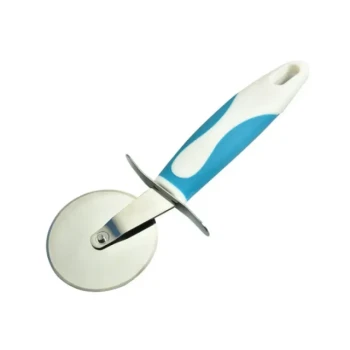
- Professional Rolling Wax Cutter with Ergonomic Handle
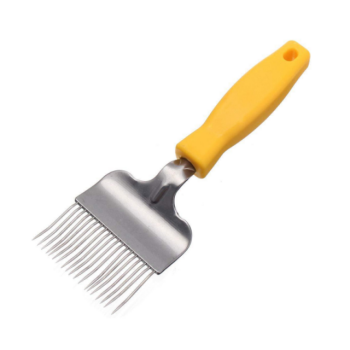
- Professional Bent Tine Honey Uncapping Fork with Ergonomic Grip
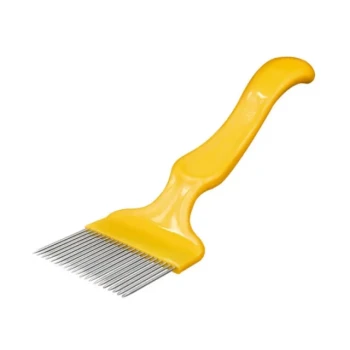
- Professional Honey Uncapping Fork Tool with Customizable Tine Options
- Professional Customizable Honey Uncapping Fork with Adjustable Tine Options
People Also Ask
- Why is the comb-cutting technique preferred for Apis cerana queen rearing? Boost Success with Natural Bee Biology
- What is the cut comb honey method? A Guide to Pure, Artisanal Honey Production
- How is the cut comb method used to harvest honey? Master the Art of Premium Unprocessed Honey Production
- What is cut comb honey, and how is it prepared? Experience Honey in Its Purest Form
- How is 'cut-comb' honey produced and prepared for sale? A Guide to Premium Honeycomb Production