The cut comb method involves physically slicing sections of sealed honeycomb directly from the frame to produce a product consumed in its entirety—wax and all. This technique requires the use of frames containing either wireless wax foundation or no foundation at all. The process relies on precision cutting rather than centrifugal force, ensuring the honey remains sealed within its original wax cells until consumption.
Core Takeaway The cut comb method produces a premium, unprocessed honey product by removing blocks of comb from specific foundation-less frames. While simple in execution, it requires strict adherence to post-harvest freezing protocols to eliminate pests and preserve shelf stability.
Prerequisites for Success
The Critical Role of Foundation
You cannot use standard frames for this method. The cut comb technique is incompatible with frames utilizing plastic foundations or those reinforced with wires.
Because the consumer eats the wax, the frame must contain either a specialized thin, wireless wax foundation or be completely foundation-less. Attempting this with wired frames will damage your tools and ruin the aesthetics of the cut block.
Selecting the Right Frames
Only harvest frames that are fully capped and sealed.
When the bees cap the cells, it indicates that the honey has reached the appropriate moisture content (generally below 18.5%). Harvesting uncapped frames can result in honey with high water content, which is prone to fermentation and spoilage.
Removing the Bees
Before cutting, you must clear the frame of bees.
Use a soft bee brush to gently sweep the bees downward off the frame. Once cleared, place the frame immediately into a covered super or container to prevent "robbing"—where other bees attempt to steal the exposed honey—before transporting it to your processing area.
The Cutting and Packaging Process
Tool Selection and Preparation
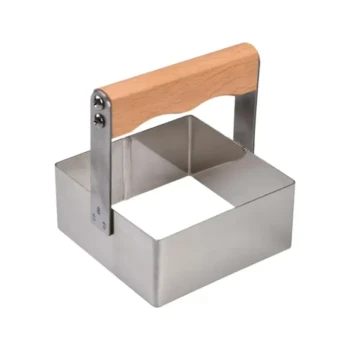
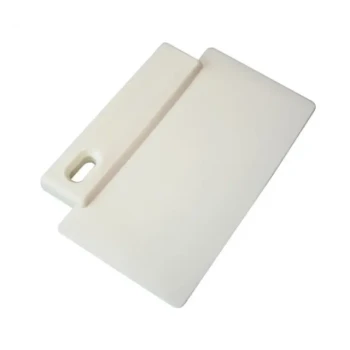
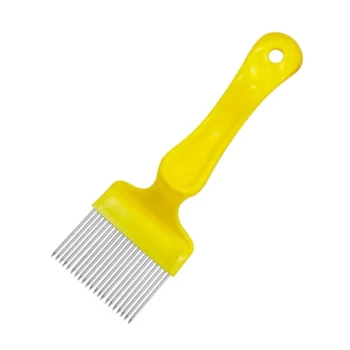
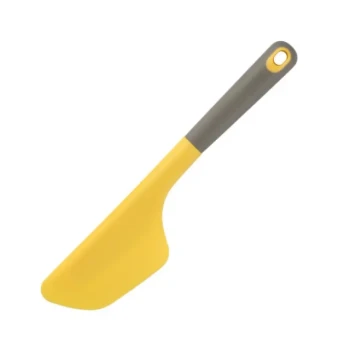
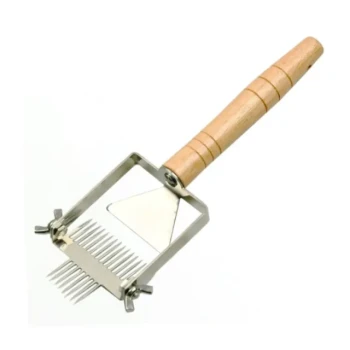
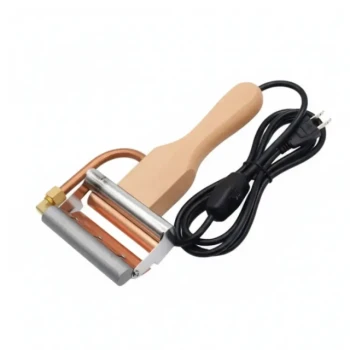
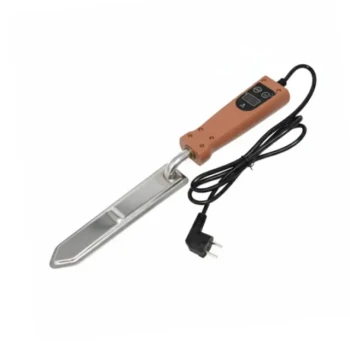
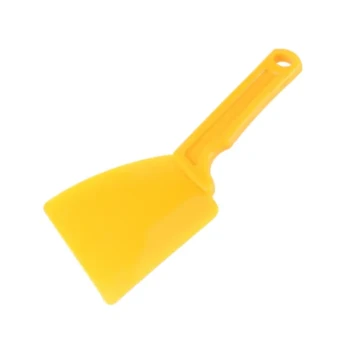
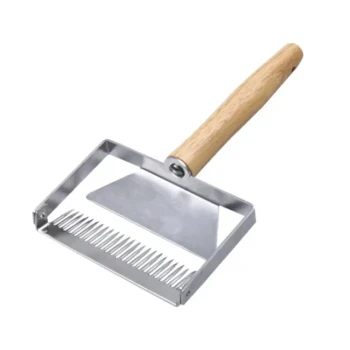
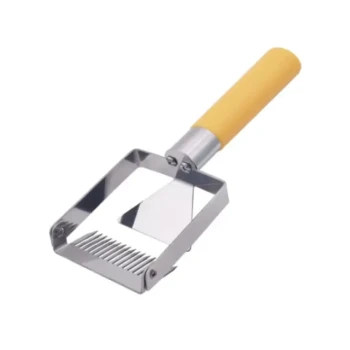
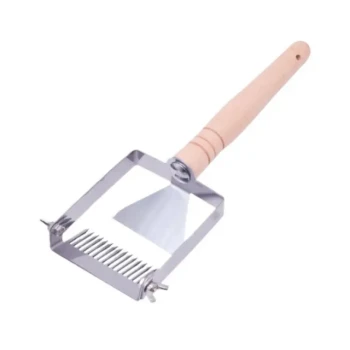
You can perform the cut using a high-quality kitchen knife or a specialized comb-cutting tool.
Warm the cutter before use. A heated blade presses through the wax more smoothly, creating clean edges and minimizing the amount of honey that leaks from the cut cells.
Executing the Cut
Place the frame on a clean, flat surface. Press the warmed cutter through the entire depth of the comb to separate a block from the frame.
Work quickly and cleanly to maintain the structural integrity of the honeycomb. Unlike "crush and strain" methods where the comb is mashed, the goal here is to keep the cell structure perfectly intact.
Immediate Packaging
Transfer the cut sections directly into their final storage containers.
Because the honey is still inside the open cells on the edges of the cut, minimizing handling is essential. The container acts as the final package for the consumer.
Post-Harvest Preservation
The Necessity of Freezing
Once packaged, the cut comb must be frozen.
This step is not optional. Freezing kills any potential wax moth eggs or larvae that may be present in the comb. If you skip this step, these pests can hatch later and infest the finished product, destroying the comb and rendering it inedible.
Understanding the Trade-offs
Loss of Drawn Comb
The primary downside of the cut comb method is the destruction of the honeycomb.
In standard centrifugal extraction, the wax structure is preserved and returned to the hive for reuse. With cut comb, the bees must consume significant energy and resources to rebuild the wax from scratch for the next harvest, potentially lowering overall honey yield.
Equipment Incompatibility
This method requires foresight. You cannot decide to harvest via cut comb at the last minute if your hive is set up with standard wired or plastic foundations. It requires a dedicated approach to hive management from the start of the season.
Making the Right Choice for Your Goal
- If your primary focus is a premium, unprocessed product: Use the cut comb method to offer a unique textural experience that commands a higher market value.
- If your primary focus is maximum volume and efficiency: Avoid this method and utilize centrifugal extraction, which allows bees to reuse the comb and focus energy on honey production.
- If your primary focus is low-equipment harvesting: Consider the "crush and strain" method, which uses similar tools but separates the honey from the wax, offering a middle ground.
By selecting the correct foundation and adhering to strict freezing protocols, you can produce a harvest that represents the hive's work in its most authentic form.
Summary Table:
| Aspect | Cut Comb Method Requirement | Why It Matters |
|---|---|---|
| Foundation Type | Wireless wax or foundation-less | Ensures the entire product is edible and easy to cut. |
| Harvest Timing | 100% Fully capped frames | Prevents fermentation by ensuring low moisture content. |
| Key Tools | Warmed knife or comb-cutter | Creates clean edges and minimizes honey leakage. |
| Post-Harvest | Mandatory freezing (24-48 hours) | Kills wax moth eggs and larvae to protect the product. |
| Resource Cost | Destruction of drawn comb | Bees must use energy to rebuild wax, reducing total yield. |
Elevate Your Beekeeping Business with HONESTBEE
Whether you are a commercial apiary or a regional distributor, producing premium cut comb honey requires the right tools and expertise. HONESTBEE is your dedicated partner in the beekeeping industry, offering a comprehensive wholesale range of high-quality equipment designed for efficiency and scale.
From specialized hive-making machinery and precision honey-filling systems to essential consumables and honey-themed cultural merchandise, we provide the hardware you need to succeed in the competitive honey market. Our products are engineered to help you maximize your harvest quality and market value.
Ready to scale your production or expand your wholesale inventory?
Contact HONESTBEE today to explore our full spectrum of beekeeping solutions!
Related Products
- Heavy Duty Stainless Steel Honeycomb Cutter
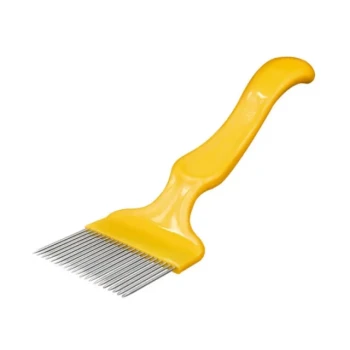
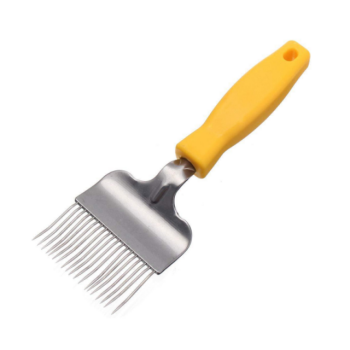
- Professional Honey Uncapping Fork Tool with Customizable Tine Options
- Professional Bent Tine Honey Uncapping Fork with Ergonomic Grip
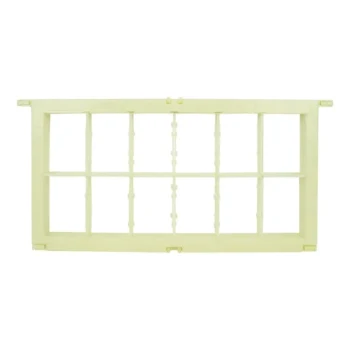
- Professional Sectional Comb Honey Frame with 250g Cassette System for Beekeeping
- Professional Wide Blade Honey Scraper for Beekeeping and Honey Processing
People Also Ask
- How is a comb cutter used to produce cut comb honey? Master the Art of Precision Harvesting
- Why is the comb-cutting technique preferred for Apis cerana queen rearing? Boost Success with Natural Bee Biology
- What is the cut comb honey method? A Guide to Pure, Artisanal Honey Production
- What is cut comb honey, and how is it prepared? Experience Honey in Its Purest Form
- How is 'cut-comb' honey produced and prepared for sale? A Guide to Premium Honeycomb Production