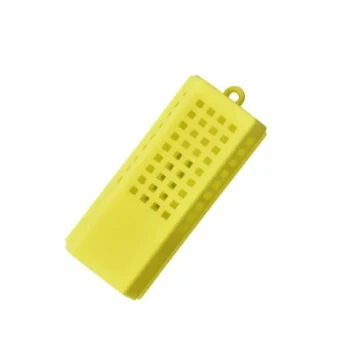
The primary function of combining wire cages with non-woven fabric is to create a robust isolation chamber that creates a controlled environment for pollination research.
The wire cage acts as a rigid skeleton to support the device, while the non-woven fabric (TNT) serves as a selective filter. This combination effectively excludes pollinators like honey bees to isolate specific variables, yet remains permeable enough to sustain the plant’s biological functions.
Core Takeaway To accurately measure how chemical treatments affect fruit set, researchers must eliminate natural pollination as a variable without stressing the plant. The wire-and-fabric system solves this by physically blocking insects while maintaining near-natural light and airflow conditions.
The Mechanics of the Isolation Device
The Role of the Wire Cage
The wire cage provides the essential physical support structure for the isolation unit.
Without this rigid frame, the protective fabric could collapse onto the branch, potentially damaging delicate flowers or leaves.
The cage ensures the isolation material maintains a set shape, creating a defined volume of space around the branch.
The Function of Non-Woven Fabric (TNT)
The non-woven fabric acts as a high-efficiency physical barrier.
Its primary job is to completely block access to the branch by honey bees and other pollinating insects.
By preventing insect entry, researchers can guarantee that any fruit set observed is not the result of natural cross-pollination.
Maintaining the Microenvironment
A complete seal (like plastic) would suffocate the plant; therefore, the fabric allows for breathability and light permeability.
This design ensures that the microenvironment inside the cage remains consistent with natural external conditions.
Photosynthesis and respiration continue normally, preventing heat buildup or humidity issues that could skew experimental data.
Strategic Application in Research
Isolating Variables
The core purpose of this setup is the accurate evaluation of specific treatments.
In controlled experiments, you must know if a result was caused by your intervention or by a passing bee.
This device acts as a control mechanism, removing the "noise" of random natural pollination from the data set.
Evaluating Chemical Induction
The text specifically highlights the use of these cages when testing chemical treatments like Thidiazuron (TDZ).
TDZ is used to induce fruit set, and researchers need to confirm its efficacy in isolation.
By using these cages, any fruit development can be attributed directly to the chemical application rather than insect activity.
Understanding the Trade-offs
Balancing Isolation with Health
The success of this method relies on the balance between exclusion and permeability.
While the fabric must be dense enough to stop insects, it cannot be so thick that it alters the light spectrum or restricts gas exchange.
The goal is to keep the isolated branches in a state that is "close to natural conditions," acknowledging that any enclosure is a slight deviation from nature.
Making the Right Choice for Your Goal
If you are designing a controlled pollination experiment, consider the following regarding this isolation method:
- If your primary focus is excluding pollinators: Ensure the non-woven fabric is securely attached to the wire frame to prevent gaps that insects could exploit.
- If your primary focus is testing chemical agents (like TDZ): Rely on this setup to validate that fruit set is strictly chemical-induced, distinct from natural pollination.
- If your primary focus is plant physiology: Verify that the fabric chosen maintains high light permeability to prevent the isolation device from stressing the branch.
This system is the standard for researchers who require absolute control over pollination vectors without compromising plant health.
Summary Table:
| Component | Primary Function | Impact on Experiment |
|---|---|---|
| Wire Cage | Rigid Structural Support | Prevents fabric collapse and protects delicate flowers/foliage. |
| Non-Woven Fabric | Selective Physical Barrier | Excludes bees and insects to isolate pollination variables. |
| System Breathability | Gas & Light Permeability | Maintains natural respiration, photosynthesis, and temperature. |
| Research Focus | Variable Control | Validates results for chemical treatments like Thidiazuron (TDZ). |
Elevate Your Beekeeping & Research Operations with HONESTBEE
At HONESTBEE, we understand the precise requirements of commercial apiaries, distributors, and agricultural researchers. Whether you are conducting controlled pollination experiments or managing large-scale honey production, we provide the industrial-grade tools you need to succeed.
Our Value to You:
- Comprehensive Wholesale Catalog: From specialized hive-making and honey-filling machinery to a full spectrum of beekeeping hardware.
- Essential Consumables: High-quality protective materials, tools, and industry essentials designed for durability.
- Strategic Partnership: We cater specifically to the needs of distributors and commercial operations with reliable supply chains and honey-themed cultural merchandise.
Ready to scale your operation or optimize your research setup? Contact us today to explore our wholesale solutions!
References
- L. de A. Bizotto, Mari Inês Caríssimi Boff. Effects of Thidiazuron and Pollinator visits on Fruit Set and Quality of 'Maxigala' Apple Trees. DOI: 10.14295/cs.v15.3742
This article is also based on technical information from HonestBee Knowledge Base .
Related Products
- Professional Bamboo Queen Isolation Cage
- Durable Plastic Push In Queen Bee Cage
- Professional Queen Cage with Sliding Gate and Feeder Plug
- Premium Wood and Steel Push In Queen Cage
- Multi-Function Queen Roller Cage and Catcher
People Also Ask
- Why are specialized queen bee cages used for the banking of mated queen bees? Maximize Commercial Apiary Storage Efficiency
- What is the mechanism of action for using temporary queen bee cages? Master Successful Queen Introduction
- How does the side ventilation design of a queen bee cage impact the safety of the queen during long-distance transport?
- What should you do if the queen is still in the cage and the worker bees have not accepted her? Protect Your Colony from Queen Rejection
- What technical precaution must be taken regarding the mesh or grill side of a queen bee cage? Ensure Queen Survival