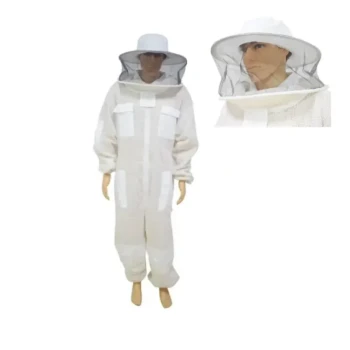
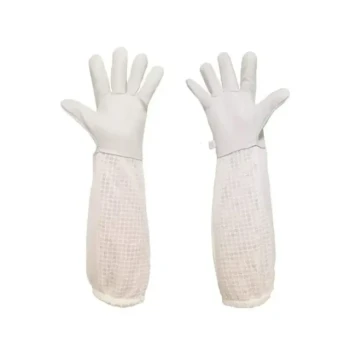
The fundamental functional mechanism of professional beekeeping protective clothing is the establishment of a robust physical barrier between the operator and the colony. This barrier is engineered to neutralize the threat of venom injection, specifically during high-risk periods such as swarming or when the colony exhibits defensive aggression. By isolating the beekeeper from physical harm, the gear facilitates a shift from defensive reaction to proactive, precise colony management.
Core Takeaway While the immediate function of protective gear is injury prevention via puncture-resistant fabrics, its deeper operational function is psychological stabilization. By eliminating the fear of stings, the clothing allows beekeepers to maintain the composure required for delicate, non-destructive hive maintenance, ultimately ensuring higher work quality and colony health.
The Physical Protection Interface
Creating a Puncture-Resistant Seal
The primary mechanism is the use of high-strength, tightly woven fabrics or specialized layers designed to be impenetrable to bee stingers. This material acts as a comprehensive shield, covering the skin to prevent direct contact with venom. Modern variations often incorporate breathable meshes that maintain this barrier while allowing airflow.
Critical Zone Defense
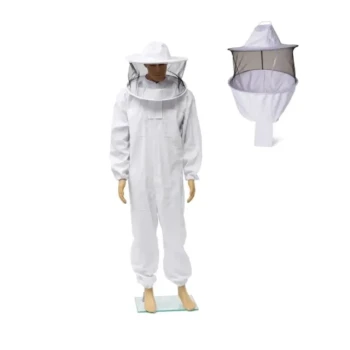
Specific components, such as veils and full-body suits, target high-vulnerability areas. Veils, often constructed from clear-vision metal mesh, protect the face and eyes—areas most sensitive to stings and alarm pheromones. This ensures that the operator’s vision remains uncompromised even when surrounded by swarming bees.
Minimizing Allergenic Exposure
Beyond immediate pain, the clothing functions as a prophylactic against systemic toxic risks. By preventing stings, the gear significantly reduces the likelihood of severe allergic reactions. This allows operators to work safely even in regions with highly aggressive strains, such as Africanized honey bees.
Operational Impact on Colony Management
Psychological Stabilization
The presence of a reliable physical barrier directly influences the beekeeper's physiological state. Knowing they are protected prevents the "fight or flight" panic response often triggered by buzzing or aggressive insect behavior. This mental calmness is a prerequisite for professional apiary work.
Enhancing Motor Precision
When fear is removed, the beekeeper can perform movements with greater deliberation and steadiness. Sudden, jerky movements caused by fear are a primary cause of colony agitation. Protective clothing enables smooth, slow manipulations, which keeps the colony calmer during inspections.
Facilitating Detailed Inspections
With the safety barrier in place, technicians can extend the duration of their work. This allows for complex tasks such as queen rearing, pest control, and detailed health checks. Without this protection, inspections would likely be rushed and superficial, potentially missing critical issues.
Preventing Destructive Harvesting
The confidence provided by the gear allows for precise harvesting methods rather than "smash and grab" techniques. Beekeepers can take the time to remove frames carefully. This preserves the structural integrity of the hive and improves the final quality of the honey.
Understanding the Trade-offs
Thermal Regulation Challenges
A significant downside to the physical barrier is the retention of body heat. The same heavy fabrics that prevent stings can restrict airflow, leading to heat stress during long operations in warm climates. Operators must balance protection levels with the need for ventilation to prevent fatigue.
Loss of Tactile Feedback
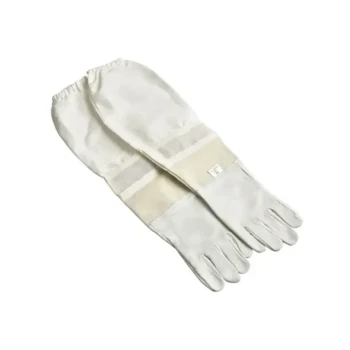
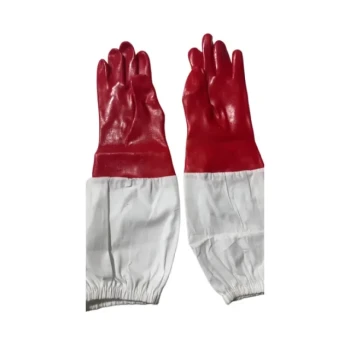
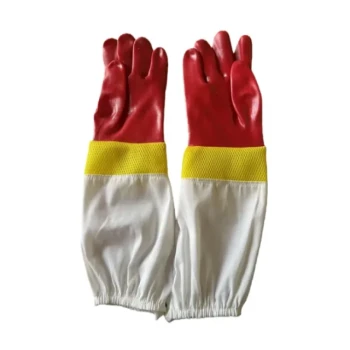
Thick gloves, while essential for hand protection, create a functional barrier to dexterity. They reduce tactile sensation, making it harder to handle delicate queens or feel the weight of frames. This loss of sensitivity requires the beekeeper to rely more heavily on visual cues to avoid crushing bees.
Making the Right Choice for Your Goal
Selecting the appropriate protective configuration depends on the specific nature of your apiary tasks and the temperament of your bees.
- If your primary focus is managing aggressive genetics (e.g., Africanized bees): Prioritize suit thickness and complete joint sealing over ventilation to ensure zero sting penetration during high-defense events.
- If your primary focus is delicate tasks (e.g., Queen Rearing/Grafting): Prioritize vision clarity in the veil and consider thinner, specialized gloves to regain the tactile precision necessary for handling fragile components.
Ultimately, professional protective clothing is not just safety equipment; it is an enabling technology that transforms a hazardous environment into a controlled workspace.
Summary Table:
| Mechanism Feature | Functional Benefit | Impact on Management |
|---|---|---|
| Puncture-Resistant Fabric | Prevents venom injection & stings | Enables calm, deliberate movements |
| Integrated Veil Mesh | Protects face & uncompromised vision | Allows for precision in high-risk zones |
| Psychological Shield | Eliminates 'fight or flight' response | Ensures thorough, non-rushed inspections |
| Sealed Joint Design | Blocks entry of aggressive bees | Essential for managing defensive colonies |
| Ventilated Layers | Regulates thermal stress | Extends work duration in warm climates |
Upgrade Your Apiary Operations with HONESTBEE
Maximize your team's safety and productivity with professional-grade gear. As a leading partner for commercial apiaries and distributors, HONESTBEE provides a comprehensive wholesale catalog including puncture-resistant suits, hive-making machinery, and honey-processing equipment. Whether you are looking for specialized hardware or essential industry consumables, our products are engineered to provide the ultimate physical barrier and operational precision.
Ready to scale your business with premium beekeeping solutions? Contact our wholesale experts today to discuss how our full spectrum of tools and merchandise can add value to your portfolio.
References
- Bryndís Snæbjörnsdóttir. Lisa Jean Moore & Mary Kosut. Buzz: Urban Beekeeping and the Power of the Bee. DOI: 10.52537/humanimalia.9917
This article is also based on technical information from HonestBee Knowledge Base .
Related Products
- Premium Cotton Beekeeper Suit with Reinforced Fencing Veil
- White Cotton Beekeeping Jacket and Veil for Bee Keepers
- Beekeeping Jacket with Hood and Veil for Beekeepers
- Beekeeper Cowboy Hat and Veil for Beekeeping
- Premium Cowboy Beekeeper Hat with Visibility Veil Outdoor Professional Beekeeping Protective Gear
People Also Ask
- What material and design specifications are recommended for a high-quality beekeeper suit? Top Gear Selection Guide
- How to Pre-treat Propolis Stains on Beekeeping Suits? Master Advanced Fabric Care and Soil Removal
- What features should be considered for sting protection in a beekeeping suit? Ensure Total Safety and Comfort
- What are the differences between full suits and jackets with veils in beekeeping? Choose Your Best Protection
- What features should be looked for in a beekeeping suit for maximum comfort? Prioritize Ventilation and Fit