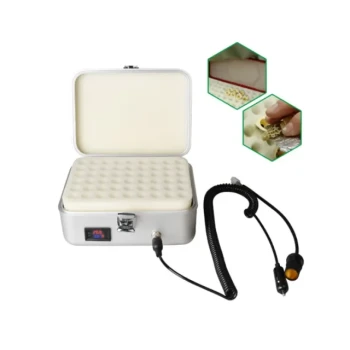
High-precision incubators are essential for replicating the exact environmental conditions required for the successful emergence of drone bees. By stabilizing the internal atmosphere at 34ºC and 60% humidity, these devices prevent the physical defects and dehydration that often result from environmental fluctuations.
Core Takeaway: Simulating the core of a natural beehive is the only way to ensure healthy drone development. Precision incubation prevents pupal abnormalities while providing technicians the control needed for immediate age management and colony-specific identification.
Replicating the Hive Environment
To ensure the viability of drone brood, artificial conditions must mirror nature with extreme accuracy.
Mimicking the Natural Core
The primary function of a high-precision incubator is to simulate the core environment of a natural beehive.
In nature, bees maintain a highly specific thermal regulation to ensure brood survival. The incubator replicates this by strictly maintaining a temperature of 34ºC (±2).
Preventing Dehydration
Temperature alone is not sufficient for healthy emergence; moisture control is equally critical.
These incubators maintain a relative humidity level of 60% (±10%). This specific moisture threshold protects the capped drone brood from dehydration, which can be fatal during the final stages of pupation.
Avoiding Developmental Abnormalities
The biological stakes of environmental instability are high.
Fluctuations in temperature or humidity during the pupal stage frequently cause developmental abnormalities. By eliminating these fluctuations, high-precision units ensure drones emerge physically sound and functional.
Operational Advantages for Technicians
Beyond biological health, controlled incubation provides significant logistical benefits for colony management.
Immediate Age Management
Using an incubator allows technicians to control the timeline of emergence.
Because drones hatch in a contained environment, their exact age can be managed immediately upon emergence. This is critical for breeding programs that require sexually mature drones of a specific age.
Colony-Specific Identification
Incubation facilitates precise data tracking and stock control.
Technicians can perform colony-specific identification marking as soon as the drones emerge. This ensures that the genetic lineage of every drone is accurately recorded before they are introduced to a hive or mating station.
The Risks of Inconsistency
While the benefits of precision are clear, it is important to understand the consequences of failing to meet these strict parameters.
The Cost of Thermal Fluctuation
The tolerance for temperature deviation is narrow—only ±2ºC from the target of 34ºC.
Failing to maintain this tight range disrupts the metabolic rate of the developing pupae. This can lead to delayed emergence or permanent physical malformations that render the drone useless for breeding.
Vulnerability to Dryness
Humidity control must be just as rigorous as thermal regulation.
If the environment drops below the required humidity range, the brood becomes highly susceptible to desiccation. Once dehydration occurs, the pupa rarely recovers, resulting in significant stock loss.
Making the Right Choice for Your Goal
To maximize the success rate of your drone emergence, align your incubation strategy with your specific operational needs.
- If your primary focus is biological integrity: rigorous adherence to 34ºC temperature and 60% humidity is non-negotiable to prevent pupal abnormalities.
- If your primary focus is stock management: utilize the controlled emergence window to apply colony-specific marks immediately, ensuring accurate genetic tracking.
By strictly controlling the incubation variables, you transform a fragile biological process into a predictable, manageable operation.
Summary Table:
| Parameter | Ideal Setting | Importance for Drone Emergence |
|---|---|---|
| Temperature | 34ºC (±2) | Simulates hive core; prevents metabolic disruption and malformations |
| Humidity | 60% (±10%) | Prevents pupal dehydration and desiccation during final stages |
| Age Control | Immediate | Allows for precise management of sexually mature drones for breeding |
| Identification | Post-emergence | Enables accurate genetic lineage tracking and colony-specific marking |
Maximize Your Colony Productivity with HONESTBEE
At HONESTBEE, we understand that precision is the backbone of a successful commercial apiary. Whether you are a large-scale distributor or a professional breeder, our comprehensive range of beekeeping tools, specialized hive-making machinery, and high-performance honey-filling equipment is designed to meet the rigorous demands of the industry.
We provide the essential hardware and consumables needed to scale your operations and ensure the health of your bees. Partner with us to access professional-grade technology and honey-themed merchandise that sets your business apart.
Ready to elevate your beekeeping operations? Contact our expert team today to discuss wholesale solutions!
References
- André Luiz Halak, Vagner de Alencar Arnaut de Toledo. Drone production, semen viability and spermatozoa longevity of Africanized Apis mellifera. DOI: 10.4025/actascianimsci.v42i1.49050
This article is also based on technical information from HonestBee Knowledge Base .
Related Products
People Also Ask
- What happens if a colony loses its queen during the nectar flow? A Guide to Salvaging Your Honey Harvest
- How can you tell if the worker bees have accepted the queen? Decode Bee Behavior for a Thriving Hive
- How can the queenless state of a newly created nuc be resolved? Expert Solutions for Colony Growth
- What are the primary reasons for replacing a queen bee? Boost Your Commercial Honeybee Colony's Success
- What queen bee behaviors should be observed after introduction? Ensure Hive Success with Our Expert Monitoring Guide