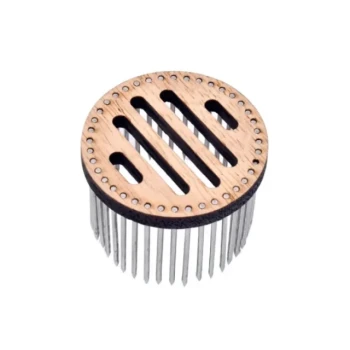
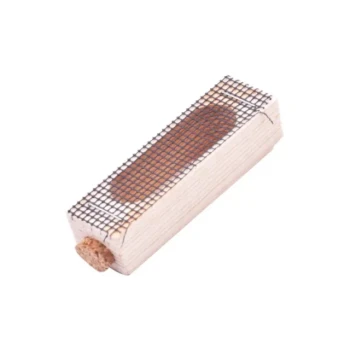
Aluminum foil offers a highly effective, low-cost solution for protecting developing queen bees from rivals. By creating a physical barrier around the susceptible wax walls of the cell while leaving the emergence tip exposed, you can prevent other queens or workers from stinging the occupant through the side.
The goal of a queen cell protector is to armor the vulnerable sidewalls against aggression without sealing the queen inside. Aluminum foil achieves this by acting as a "jacket" that shields the cell body while maintaining the critical opening required for hatching.
Preparing the Shield
Selecting Your Material
You do not need specialized beekeeping equipment for this method. Standard cooking foil or even a clean aluminum chocolate wrapper works perfectly.
Creating the Aperture
To ensure the queen can emerge, you must create a precise opening. Fold a small square of foil in half, and then in half again.
The "Cut-and-Unfold" Technique
With the foil folded, cut off the folded corner. When you unfold the sheet, you will have a neat hole directly in the center, sized to fit the queen cell.
Applying the Protector
Positioning the Cell
Take the queen cell and gently place the tip (the bottom point where the queen emerges) through the center hole you created. The tip must protrude clearly through the foil.
Wrapping the Sidewalls
Fold the foil upwards and around the sides of the cell. Mould the foil gently against the wax walls to create a second skin.
Securing the Base
Ensure the foil is wrapped securely around the "top" of the cell (the wide base where it attaches to the frame). The entire wax surface, except for the very tip, should be covered.
Critical Handling Principles
Avoiding Mechanical Shock
While wrapping, you must be extremely gentle. As noted in guidance regarding wire protectors, care must be taken not to rattle the queen inside the cell, as this can damage the developing wings or legs.
Managing Hive Space
When inserting the protected cell into the comb, you may need to clear space. It is sometimes necessary to crush adjacent worker cells to ensure the protected cell fits without being squeezed.
Understanding the Trade-offs
Cost vs. Durability
Foil is arguably the most inexpensive protection method available. However, unlike solidly engineered Perret-Maisonneuve cups or spiral wire protectors, foil is single-use and less structurally rigid.
Airflow and Access
Spiral wire protectors allow worker bees to cluster directly on the wax cell through wire gaps to maintain temperature. Foil creates a solid barrier; while aluminum conducts heat well, it changes how workers interact with the cell surface.
Making the Right Choice for Your Goal
To ensure the highest success rate for your queen introduction, choose the method that fits your resources:
- If your primary focus is immediate, low-cost protection: Use the aluminum foil method, ensuring the tip remains strictly uncovered for emergence.
- If your primary focus is mechanical rigidity and airflow: Consider using spiral wire protectors or engineered cups, which prevent crushing and allow better worker clustering.
Success relies on a simple principle: Armor the sides, but keep the door open.
Summary Table:
| Protection Method | Cost | Durability | Key Benefit |
|---|---|---|---|
| Aluminum Foil | Extremely Low | Single-use | Flexible, form-fitting, and accessible |
| Spiral Wire | Moderate | Reusable | Allows worker clustering and airflow |
| Engineered Cups | Higher | High | Maximum structural rigidity and protection |
Maximize Your Apiary Success with HONESTBEE
Protecting your queens is vital, but having the right tools makes the difference between a surviving hive and a thriving one. HONESTBEE specializes in supporting commercial apiaries and distributors with a full spectrum of professional-grade beekeeping equipment. From high-precision queen rearing tools to advanced honey-filling machinery, we provide the wholesale solutions you need to scale your operations.
Ready to upgrade your beekeeping toolkit? Contact us today to explore our wholesale machinery and consumables
Related Products
- JZBZ Style Shipping Cell Protector for Queen Rearing Kit
- JZBZ Style Push-In Cell Protector for Professional Queen Rearing Kits
- Premium Nicot Style Cell Bar Holder and Queen Cell Cup Holder System
- JZBZ Type Wide Base Plastic Queen Cell Cups for Base Mounting and Queen Rearing
- JZBZ Langstroth Queen Rearing Frame for Beekeeping
People Also Ask
- What is the purpose of queen cell protectors? Safeguard Your Queen Rearing Success
- What are some methods and types of queen cell protectors? Safeguard Your Queen Introduction Process
- What is the primary reason for using queen cell protectors? Secure Your Yield with Proven Protection
- What is the role of queen cell protectors and emergence cages? Secure Your Genetic Stock and Hive Stability
- What is the purpose of queen cell protectors in a hive? Secure Your Hive's Future with Professional Protection