Using high-purity, pesticide-free beeswax is a critical requirement for maintaining scientific integrity and biological health in apiculture. Beeswax is naturally lipophilic, meaning it readily absorbs and retains environmental chemicals, particularly miticides. Failing to use uncontaminated wax introduces uncontrolled variables that can compromise experimental data and negatively impact the developmental quality of queen bees.
The Core Insight Because beeswax acts as a chemical sponge for pesticides, using standard, contaminated wax makes it impossible to establish a "clean" baseline. High-purity wax is essential to eliminate chemical interference, ensuring that observed results are due to your experimental variables, not background toxicity.
The Mechanism of Contamination
The Lipophilic Nature of Wax
Beeswax is chemically lipophilic, meaning it has a high affinity for fats and oils. Unfortunately, many agricultural pesticides and apicultural miticides share these chemical properties.
The Accumulation Effect
Because of this chemical compatibility, beeswax does not just sit on the surface of these toxins; it absorbs and accumulates them. Once these chemicals are locked into the wax matrix, they remain bioavailable to the brood reared within that wax.
Implications for Scientific Research
Establishing True Control Groups
In any scientific study, the control group must represent a neutral baseline. If you use contaminated wax for your control cups, you have introduced an unintended variable.
Eliminating Chemical Interference
Using wax from regions free of miticide contamination removes the risk of chemical interference. This ensures that any differences observed in your study are the result of the factors you are testing, rather than the confusing "noise" of background pesticide exposure.
Impact on Queen Breeding
Preventing Sub-Lethal Effects
Contamination is rarely immediately fatal, which makes it dangerous. Instead, it often causes sub-lethal effects—subtle damage that undermines health without killing the subject immediately.
Ensuring Developmental Quality
The developing queen larva is in direct contact with the wax cup. Uncontaminated wax prevents these sub-lethal toxins from leaching into the royal jelly or larva, safeguarding the queen's physiological development and reproductive potential.
Common Pitfalls to Avoid
Misunderstanding "Clean" Wax
Visual purity does not equal chemical purity. Wax can look perfectly white and clean while still harboring significant loads of invisible chemical residues absorbed from the environment.
Overlooking Regional Sources
Not all "natural" wax is equal. It is vital to source wax specifically from geographic regions known to be free of miticide contamination to ensure the material is truly inert.
Making the Right Choice for Your Goal
Whether you are conducting rigorous experiments or rearing queens for production, the purity of your substrate dictates your success.
- If your primary focus is Scientific Research: You must use pesticide-free wax to validate your control groups and ensure your data is not skewed by chemical interference.
- If your primary focus is Queen Breeding: You must use high-purity wax to prevent sub-lethal toxicity from degrading the reproductive quality and longevity of your queens.
Start with a clean foundation, because you cannot build valid results on a contaminated substrate.
Summary Table:
| Feature | Impact of High-Purity Wax | Risk of Contaminated Wax |
|---|---|---|
| Chemical Profile | Inert and stable; no baseline interference | Absorbs and retains lipophilic pesticides |
| Larval Health | Promotes optimal physiological development | Causes sub-lethal effects and reduced vitality |
| Research Data | Provides a true, clean control group | Introduces uncontrolled chemical variables |
| Queen Quality | Maximum reproductive potential | Compromised longevity and performance |
Elevate Your Apiary Excellence with HONESTBEE
At HONESTBEE, we understand that success in commercial apiculture and research starts with a clean foundation. We specialize in catering to commercial apiaries and distributors, offering a comprehensive wholesale range of high-quality beekeeping tools, specialized machinery, and essential consumables.
Whether you need precision hive-making and honey-filling machines to scale your operations or professional-grade supplies for queen breeding, our portfolio is designed to deliver reliability and performance. Partner with us to provide your customers or your own apiary with the very best the industry has to offer.
Ready to source premium equipment and consumables for your business?
References
- Juliana Rangel, David R. Tarpy. In-Hive Miticides and their Effect on Queen Supersedure and Colony Growth in the Honey Bee (Apis mellifera). DOI: 10.4172/2161-0525.1000377
This article is also based on technical information from HonestBee Knowledge Base .
Related Products
- Brown Nicot Queen Cell Cups for Breeding Queen Bees Beekeeping
- JZBZ Type Wide Base Plastic Queen Cell Cups for Base Mounting and Queen Rearing
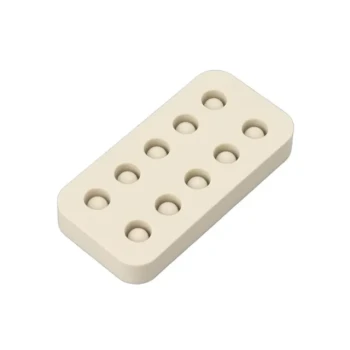
- 10-Cell Silicone Beeswax Bee Queen Cups Forming Mold
- Clear Black Plain Polystyrene Queen Bee Grafting Cell Cups No Lug for Bee Queen Cup
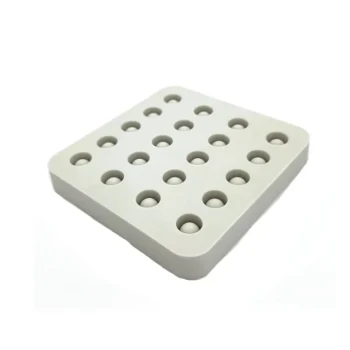
- High-Efficiency 20-Cell Silicone Mold for Beeswax Bee Queen Cup Production
People Also Ask
- What role do specialized queen rearing tools play in developing mite-resistant honeybee stock? Master Genetic Selection
- What materials are used to make artificial queen cell cups for grafting? Beeswax vs. Plastic Guide
- What roles do specialized queen cell cups play in royal jelly production? Optimize Your Hive's Secretion and Yield
- How does the standardized depth of queen cell cups affect larval acceptance? Boost Success with 6mm Precision
- Why is a diluted royal jelly solution applied to queen cell cups? Boost Acceptance in Artificial Grafting