Specialized plastic queen cups represent a shift from biological randomness to industrial precision. They provide a standardized, reusable physical environment that natural cells cannot offer. By utilizing uniform specifications and smooth internal walls, these cups ensure compatibility with modern grafting frames, facilitate easier cleaning and disinfection, and create a consistent micro-environment that significantly improves larval survival and queen quality.
By replacing the irregular shapes of natural cells with precision-molded plastic, beekeepers remove a critical variable from the rearing equation. This ensures that the quality of the queen is determined by her genetics and nutrition, rather than the structural limitations of her cell.
The Impact of Standardization on Queen Quality
Eliminating Physical Variables
Natural queen cells are inherently irregular in shape and size. Plastic cups feature uniform specifications, ensuring that every larva begins development in an identical physical space. This standardization minimizes the risk of physical defects caused by cramped or irregular cell structures.
Optimizing the Micro-Environment
The specific design of plastic cups helps maintain a consistent internal climate. They ensure uniform conditions regarding temperature and humidity across the rearing frame. This stability allows the developing pupae to focus energy on growth rather than environmental stress adaptation.
Enhancing Royal Jelly Delivery
Plastic cups are manufactured with smooth internal walls. This distinct feature encourages worker bees to secrete royal jelly more evenly around the larva. A consistent volume of royal jelly directly correlates to higher acceptance rates and a more stable nutritional intake for the developing queen.
Operational Efficiency and Hygiene
Streamlining Large-Scale Production
For commercial operations, compatibility is key. Plastic cups are designed to fit seamlessly into modern industrial grafting frames. This allows technicians to induce colonies to raise hundreds of queens simultaneously, making mass propagation and colony replacement significantly more efficient.
Superior Sanitation Protocols
Unlike beeswax cells, which are generally single-use or difficult to clean, plastic cups are highly durable. They are easy to clean and disinfect between batches. This reusability reduces waste and, more importantly, minimizes the transmission of pathogens between rearing cycles.
Protecting the Larvae
The rigidity of plastic acts as a shield during the delicate grafting process. These cups minimize accidental physical damage to the larvae that can occur when handling softer, natural wax cells. Furthermore, they integrate effectively with Miller cages to protect the virgin queen immediately after emergence.
Understanding the Trade-offs
The "Acceptance" Factor
While plastic cups offer durability, they are an artificial substrate. Beeswax cups (a closer mimic to nature) may initially feel more natural to nurse bees. However, the smooth design of modern plastic cups has largely negated this issue, provided they are properly primed with royal jelly or honey.
Maintenance Requirements
Plastic cups require a strict cleaning regimen. Because they are reused, failure to properly disinfect them can harbor disease. Wax cups, by contrast, are typically melted down or discarded, which removes the need for post-cycle sterilization labor.
Making the Right Choice for Your Goal
To determine if plastic queen cups are the right tool for your apiary, consider your specific objectives:
- If your primary focus is Scalability and Efficiency: Plastic cups are essential; their durability and frame compatibility allow for rapid, high-volume grafting with minimal equipment turnover.
- If your primary focus is Genetic Consistency: Plastic cups are the superior choice; they eliminate environmental variables, ensuring that phenotypic differences in queens are the result of genetics, not cell structure.
Ultimately, switching to plastic cups allows you to control the "nursery" environment, turning queen rearing into a predictable science rather than a game of chance.
Summary Table:
| Feature | Specialized Plastic Queen Cups | Natural Wax Cells |
|---|---|---|
| Structural Consistency | Uniform precision-molded dimensions | Irregular shapes and sizes |
| Durability | High; reusable after disinfection | Low; typically single-use |
| Operational Scale | High; fits industrial grafting frames | Limited; manual handling required |
| Hygiene Control | Easy to sterilize against pathogens | Difficult to clean; usually discarded |
| Larvae Protection | Rigid walls prevent physical damage | Soft walls; high risk during grafting |
| Royal Jelly Delivery | Smooth walls ensure even distribution | Variable volume based on wax shape |
Elevate Your Apiary's Productivity with HONESTBEE
Transition from biological randomness to industrial precision with HONESTBEE’s professional-grade beekeeping solutions. We specialize in supporting commercial apiaries and distributors with a comprehensive wholesale offering designed to scale your operations.
From precision-molded queen cups and grafting equipment to advanced honey-filling machines and specialized hardware, HONESTBEE provides the full spectrum of tools and consumables your business needs to succeed.
Ready to optimize your queen rearing and honey production? Contact our team today to discuss wholesale solutions!
References
- Sh.B. Bakaeva N.A. Azizova. THE IMPORTANCE OF BEE EGGS IN THE DEVELOPMENT OF THE BEE FAMILY. DOI: 10.5281/zenodo.7806538
This article is also based on technical information from HonestBee Knowledge Base .
Related Products
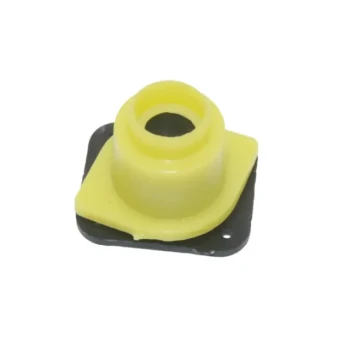
- JZBZ Type Wide Base Plastic Queen Cell Cups for Base Mounting and Queen Rearing
- Clear Black Plain Polystyrene Queen Bee Grafting Cell Cups No Lug for Bee Queen Cup
- Durable Plastic Push In Queen Bee Cage
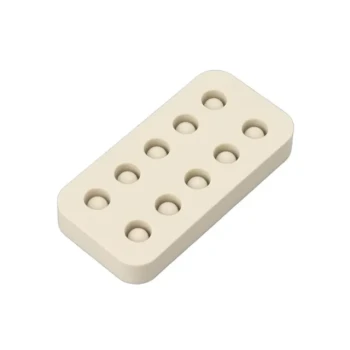
- 10-Cell Silicone Beeswax Bee Queen Cups Forming Mold
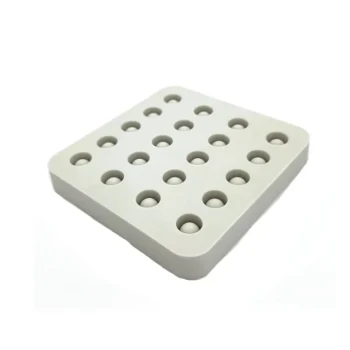
- High-Efficiency 20-Cell Silicone Mold for Beeswax Bee Queen Cup Production
People Also Ask
- What are the primary advantages of using plastic queen cell cups? The Industrial Choice for High-Efficiency Apiaries
- What technical advantages do commercial plastic queen cell cups offer? Scale Your Queen Rearing for Maximum Efficiency
- What is the function of standardized plastic Queen Cell Cups? Boost Efficiency in Commercial Larval Grafting
- Why are standardized plastic queen cell cups preferred? Boost Commercial Queen Rearing Efficiency
- Why are standardized plastic queen cell cups typically used in large-scale queen bee production? Boosting Apiary Output