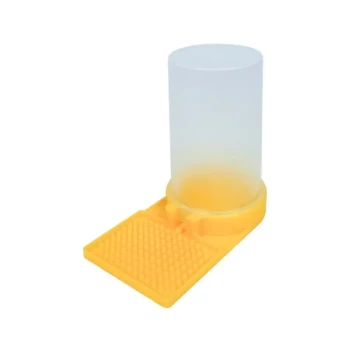
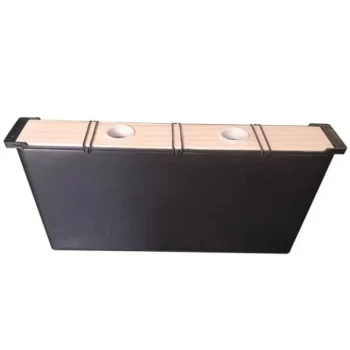
Olfactory priming via feeding containers is a precision-driven technique that synchronizes honeybee behavior with specific agricultural targets. By delivering syrup infused with floral volatiles directly inside the hive, this mechanism leverages the colony’s social learning capacity to create a Pavlovian association between a specific scent and a high-value food reward.
Core Takeaway: Olfactory priming pre-conditions worker bees to identify and prioritize specific crop scents before they exit the hive, significantly increasing pollination efficiency for low-nectar or traditionally unattractive flowers.
The Mechanism of In-Hive Sensory Conditioning
The Role of Specialized Feeding Containers
The process begins with specialized feeding containers placed strategically inside the beehive to ensure maximum contact with the colony. These containers provide a controlled delivery system for sugar syrup that has been precisely formulated with specific floral volatiles mimicking the target crop.
This internal feeding setup ensures that the priming stimulus is the first and most dominant sensory experience for the bees. By controlling the environment, growers and service providers can dictate the foraging priorities of the entire colony.
Social Learning and Olfactory Memory
The mechanism relies on the honeybee's sophisticated olfactory memory and internal communication systems. When worker bees consume the scented syrup, they establish a permanent neural link between that specific fragrance and a high-energy reward.
As these bees interact with others through trophallaxis (food sharing) and physical contact, the "scent profile" of the target crop spreads through the hive. This social learning ensures that even bees that haven't fed directly from the container are conditioned to seek out that specific scent.
Prioritization of Low-Nectar Crops
One of the most critical aspects of this mechanism is its ability to overcome pollinator competition. Many high-value crops produce low levels of nectar, making them naturally less attractive than surrounding wild flora.
Olfactory priming overrides the bee's natural inclination to seek the highest nectar source by "pre-programming" them to favor the target crop. This directed pollination ensures that the bees focus their efforts where they are most needed for yield and quality optimization.
Technical Constraints and Operational Realities
Precision of Volatile Formulations
The success of olfactory priming depends entirely on the chemical accuracy of the floral volatiles used. If the scent profile in the syrup does not perfectly match the scent of the flowers in the field, the bees will fail to recognize the target, rendering the priming effort useless.
Timing and Hive Readiness
The mechanism is highly dependent on operational timing and the health of the colony. Priming must occur shortly before the crop’s peak bloom to ensure the memory remains fresh and actionable.
Supply Chain and Equipment Reliability
For distributors and resellers, the mechanism is only as effective as the delivery hardware. Low-quality feeding containers can lead to syrup leakage, hive contamination, or inconsistent priming, which undermines the professional expertise of the service provider.
Maximizing Business Value through Directed Pollination
Achieving superior pollination results requires a combination of high-grade equipment and deep technical understanding. As a distributor or wholesaler, positioning these tools as part of a comprehensive agricultural solution is key to building long-term B2B partnerships.
- If your primary focus is rapid order fulfillment: Ensure your inventory includes standardized, durable feeding containers that are compatible with high-speed delivery networks to meet tight bloom windows.
- If your primary focus is deep professional expertise: Provide clients with technical guides on volatile concentrations and hive placement to establish your role as a trusted technical advisor.
- If your primary focus is a full-spectrum product portfolio: Bundle feeding containers with proprietary scent formulations to offer a "one-stop" solution for high-value orchard management.
By mastering the science of olfactory priming, you empower your clients to achieve consistent, high-yield results regardless of local environmental challenges.
Summary Table:
| Stage | Mechanism | Business Impact |
|---|---|---|
| In-Hive Conditioning | Feeding containers deliver syrup infused with floral volatiles | Creates Pavlovian association between scent and reward |
| Social Learning | Trophallaxis (food sharing) spreads the scent profile | Rapidly synchronizes the entire colony's foraging focus |
| Targeted Foraging | Bees prioritize pre-programmed crop scents over wild flora | Overcomes competition; boosts yield for low-nectar crops |
| Hardware Quality | Precision-engineered feeders ensure consistent delivery | Reduces waste and protects hive health for professional use |
Scale Your Pollination Success with HONESTBEE
To master directed pollination, your clients need more than just knowledge—they need reliable, professional-grade hardware. As a leading one-stop source for commercial apiaries and B2B distributors, HONESTBEE supplies everything from precision-engineered feeding containers for olfactory priming to industrial-scale honey-filling machines and hive-making equipment.
Why Partner with Us?
- Comprehensive Portfolio: A full spectrum of beekeeping tools, machinery, and consumables.
- B2B Excellence: Optimized for wholesalers with rapid response times and efficient order fulfillment.
- Industry Expertise: Professional guidance to help you provide superior value to your agricultural clients.
Ready to enhance your product lineup with premium beekeeping solutions and maximize your profit margins?
Contact HONESTBEE Today for Wholesale Pricing
References
- Camila Maia-Silva, Vera Lúcia Imperatriz-Fonseca. Small Amazonian stingless bees: an opportunity for targeted cocoa pollination. DOI: 10.3389/frbee.2024.1357811
This article is also based on technical information from HonestBee Knowledge Base .
Related Products
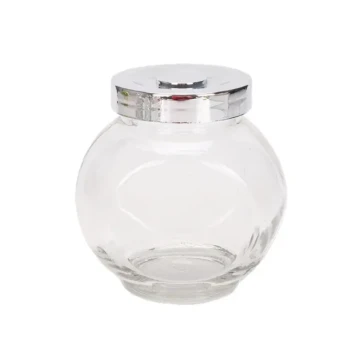
- Classic Drum Shaped Glass Honey Jar with Airtight Lid
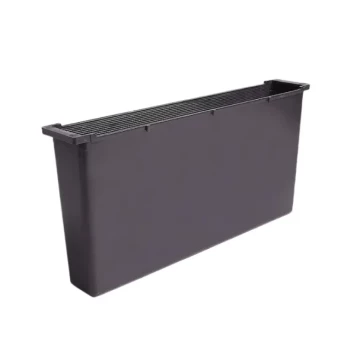
- HONESTBEE Entrance Bee Feeder Efficient Hive Front Liquid Feeding Solution for Beekeeping
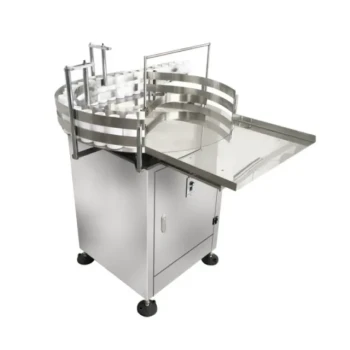
- Automated Rotary Bottle Unscrambler for Honey Production Line
- Classic Boardman Entrance Bee Feeder Hive Front Feeding Solution
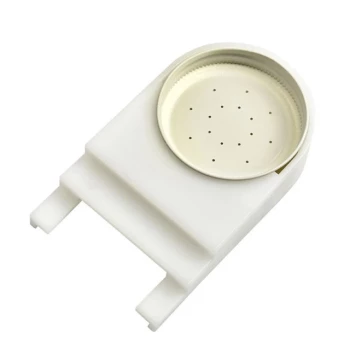
- White Plastic 0.5L Beekeeping Entrance Feeder for Bees
People Also Ask
- What is the best utensil to store honey? Preserve Purity with the Right Container
- How does the appearance of glass jar packaging affect the sales and perception of honey? Boost Your Premium Brand Value
- Why is a glass jar preferred for packaging honey? Ultimate Protection for Purity & Flavor
- What is the aesthetic appeal of using glass jars for honey? Elevate Your Brand with Premium Packaging
- What are the advantages of glass containers for honey? Elevate Quality and Market Value with Premium Packaging