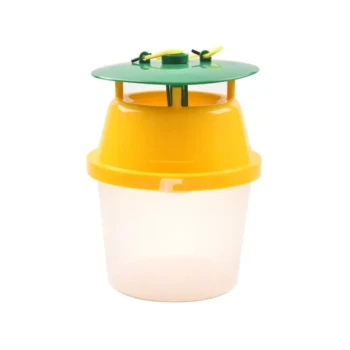
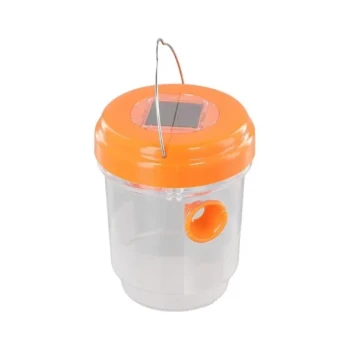
Chromotropic traps operate on the principle of visual attraction. They exploit the natural biological tendency of the parasitic fly Senotainia tricuspis to gravitate toward specific colors. By utilizing colored plates coated with high-strength adhesive placed directly on beehive covers, these devices physically lure and permanently capture adult flies.
Chromotropism leverages the pest's own behavioral instincts against it. Instead of relying on toxicity, this method uses visual cues to draw parasites into a physical trap, effectively reducing population density without introducing chemicals into the hive environment.
The Biological Principle: Chromotropism
Exploiting Visual Instincts
The core mechanism of action is chromotropism, which is the movement or orientation of an organism in response to color stimulation.
The parasitic fly Senotainia tricuspis is naturally drawn to specific wavelengths of light reflecting off the trap surfaces.
The Lure-and-Capture Dynamic
The trap functions as a passive interception device.
It mimics visual signals that attract the fly, pulling it away from its search for host bees.
Once the fly lands on the colored plate to investigate, it is immediately immobilized by a specialized high-strength adhesive coating.
Strategic Application in Beekeeping
Placement for Maximum Effect
To be effective, these traps are positioned on top of beehive covers.
This placement intercepts the flies in the area where they actively patrol to find honeybees, maximizing the likelihood of capture.
Reduction of Population Density
The primary goal of this physical control method is the reduction of the adult parasite population.
By removing adults from the ecosystem before they can infest the bees, the traps lower the overall pressure on the colony over time.
Understanding the Trade-offs
Chemical-Free Safety
The most significant advantage of this mechanism is the exclusion of chemical pesticides.
Because the action is purely physical (visual attraction and sticky capture), there is zero risk of introducing toxic residues into the honey or wax.
Preservation of Foraging Bees
Unlike broad-spectrum chemical sprays, chromotropic traps are highly targeted based on behavior.
This ensures that the control method decreases the impact on the parasite while leaving the foraging honeybees unharmed and free of chemical exposure.
Making the Right Choice for Your Hive
When considering pest control strategies for Senotainia tricuspis, evaluate your management priorities:
- If your primary focus is organic integrity: This method provides a strictly physical control barrier that maintains a chemical-free environment for your bees.
- If your primary focus is colony stress reduction: This approach lowers parasitic pressure on the hive without adding the physiological stress associated with chemical treatments.
By aligning pest control with the natural behaviors of the parasite, you protect your apiary with precision and safety.
Summary Table:
| Feature | Mechanism & Details |
|---|---|
| Core Principle | Chromotropism (Visual attraction to specific color wavelengths) |
| Capture Method | High-strength adhesive coating for physical immobilization |
| Placement | Beehive covers (Targeting active parasite patrol zones) |
| Primary Goal | Reduction of adult population density without chemicals |
| Safety Profile | Chemical-free; zero toxic residues in honey or wax |
| Target Pest | Senotainia tricuspis (The bee-killing fly) |
Protect Your Colony with HONESTBEE Precision Equipment
Ensure the health of your commercial apiary with chemical-free pest control solutions. HONESTBEE supports commercial beekeepers and distributors with a full spectrum of high-quality tools, from innovative chromotropic traps to advanced honey-filling machines and hive-making hardware.
Why Partner with HONESTBEE?
- Comprehensive Wholesale Supply: Access everything from essential consumables to specialized machinery.
- Industry-Leading Quality: Durable equipment designed to withstand the demands of large-scale operations.
- Sustainable Solutions: Maintain your organic integrity with our physical control and hive management tools.
Contact our expert team today to streamline your production and safeguard your bees with our premium beekeeping portfolio!
References
- Hossam F. Abou‐Shaara, Areej A. Al-Khalaf. Potential Alterations in the Spread of the Honey Bee Pest, Senotainia tricuspis, Across the Mediterranean Region and Africa in Response to Shifting Climatic Conditions. DOI: 10.51963/jers.v27i1.2786
This article is also based on technical information from HonestBee Knowledge Base .
Related Products
- Professional Bucket Style Wasp and Moth Pheromone Trap
- Solar Powered LED Wasp Trap
- 8 Frame and 10 Frame Propolis Trap Collector Screen for Propolis Collection
- 30 cm Plastic Entrance Hole Bee Pollen Trap and Collector
- Black Plastic Beetle Barn Hive Beetle Trap for Beehives
People Also Ask
- What is the function of Pheromone Traps in the biosecurity monitoring of apiaries? Precision Tools for Pest Control
- What role do Pheromone Traps play in the IPM for Large African Hive Beetles? Essential Surveillance & Control Tips
- How do professional wasp traps function? Master Physical Control of Oriental Hornets to Protect Your Apiary
- What are the practical advantages of using professional wasp traps and protective equipment in apiary management? Scale Up
- Why replace sugar syrup bait in wasp traps every three days? Ensure Maximum Attraction and Catch Rates