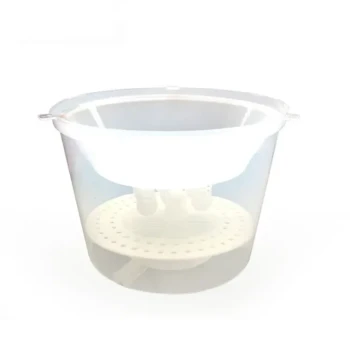
The primary mechanism of action for in-hive Small Hive Beetle traps is the exploitation of the pest's natural flight response to worker bee aggression. When harassed by guard bees, beetles instinctively flee toward dark, tight spaces for safety; the traps mimic these "safe harbors," luring the beetles into a cavity where they are immobilized by liquid capture media, chemical agents, or physical entanglement.
Core Takeaway In-hive traps operate on the principle of biological deception. By providing a false refuge that mimics the dark crevices beetles seek during colony defense, these devices turn the pest's primary survival instinct—hiding—into a mechanism for capture and monitoring.
The Biological Triggers
The effectiveness of an in-hive trap relies less on the mechanical design of the trap itself and more on the behavioral patterns of the beetle.
Exploiting Bee Harassment
The primary driver of trap efficacy is the aggression of the honeybee colony. Worker bees actively harass adult beetles, forcing them to run for cover.
Without this pressure from the colony, beetles are less likely to seek out the specific cavities provided by the trap.
The Instinct to Hide
Small Hive Beetles exhibit strong light-avoiding behavior (negative phototaxis) and a preference for tight spaces.
Traps are designed to simulate these secluded crevices, offering a perceived escape route that draws the beetle away from the comb and into the capture zone.
Capture and Immobilization Methods
Once the beetle enters the trap, two distinct physical mechanisms prevent escape, depending on the trap type.
Liquid Containment (Drowning)
Many traps utilize a reservoir filled with oil or a specific capture medium.
Beetles seeking refuge fall into this liquid, which coats their spiracles (breathing tubes). This leads to asphyxiation and drowning, permanently removing the adult beetle from the reproductive cycle.
Mechanical Entanglement
Some control methods utilize specialized fibrous materials placed on frame tops.
Honeybees shred this material into fine fibers to clean the hive. These fibers create a "snare" that entangles the legs of moving beetles, immobilizing them through purely physical restriction without the use of liquid agents.
Strategic Limitations and Trade-offs
While effective, in-hive traps are not a "silver bullet." Understanding their limitations is critical for a realistic control strategy.
Targeting Only the Adult Stage
In-hive traps are designed specifically to capture adult beetles seeking refuge.
They do not address the larval stage (which damages honeycombs) or the pupation stage (which occurs in the soil outside the hive). Therefore, traps serve as a population suppressant rather than a total eradication method.
The Necessity of Integrated Control
Because traps focus on adults inside the hive, they leave the external environment vulnerable.
For complete control, traps must often be paired with soil irrigation treatments or beneficial nematodes that target the pupation stage in the ground, creating a comprehensive defense network.
Making the Right Choice for Your Goal
To effectively manage Small Hive Beetles, you must align the tool with your specific objective.
- If your primary focus is Early Detection: Utilize traps as a data collection tool to monitor beetle density; a rising count serves as an early warning to escalate your biosecurity measures.
- If your primary focus is Colony Defense: Ensure your hive components fit tightly to reduce natural hiding spots, forcing beetles into the artificial traps where they can be eliminated.
- If your primary focus is Total Population Management: Combine in-hive physical traps with soil treatments, attacking both the mobile adults in the hive and the developing pupae in the ground.
Effective pest management relies not just on setting a trap, but on understanding the behavior that leads the pest into it.
Summary Table:
| Mechanism Component | Action Type | Key Function |
|---|---|---|
| Biological Trigger | Behavioral Exploitation | Uses bee aggression and negative phototaxis to drive beetles into traps. |
| Liquid Containment | Physical/Chemical | Uses oil or agents to coat spiracles, leading to asphyxiation and drowning. |
| Mechanical Snare | Physical Entanglement | Utilizes fibrous materials to entangle beetle legs and immobilize them. |
| Strategic Scope | Population Monitoring | Specifically targets adult beetles to suppress growth and monitor hive health. |
Elevate Your Beekeeping Efficiency with HONESTBEE
Protecting your commercial apiary requires more than just tools—it requires a strategic defense. At HONESTBEE, we specialize in empowering commercial apiaries and distributors with the high-quality machinery and equipment needed to manage large-scale operations successfully.
From advanced hive-making and honey-filling machines to a comprehensive range of beekeeping tools and industry consumables, our wholesale solutions are designed to enhance your productivity and secure your colonies against pests like the Small Hive Beetle. Whether you are looking for specialized hardware or honey-themed cultural merchandise to expand your portfolio, we provide the expertise and inventory you need to grow.
Ready to scale your operation with professional-grade equipment?
References
- Marc Oliver Schäfer, Peter Neumann. How to slow the global spread of small hive beetles, Aethina tumida. DOI: 10.1007/s10530-019-01917-x
This article is also based on technical information from HonestBee Knowledge Base .
Related Products
- Reusable Aluminium Beetle Trap for Small Hive Beetles Silver Bullet
- Black Plastic Beetle Barn Hive Beetle Trap for Beehives
- Removable Washable Hive Beetle Trap Attractants for Small Hive Beetles
- Reusable Clear Small Hive Beetle Traps for Beehives Beetle Trapping Tools
- Plastic Beetle Blaster Trap Beekeeping Tools and Supplies
People Also Ask
- How should powdered substances be used in beetle traps for hive beetle control? Expert Guide for Maximum Colony Protection
- Why are beetle traps less effective during winter? Seasonal Shifts in Pest Control Explained
- When is the best time to use small hive beetle traps in cold climates? Protect Your Honeybee Winter Stores Now
- When and how should disposable traps for small hive beetles be removed? Master Hive Hygiene and Efficiency
- How do small hive beetle traps contribute to colony management? Enhance Diagnostic Accuracy and Protect Hive Health