The oven-based method requires submerging hive scrapings in two to three inches of water inside an oven-proof container and baking at 200°F for at least two hours. This process utilizes heat and water density to separate heavy propolis from lighter contaminants like wax and wood.
By maintaining a controlled low temperature, this method forces lighter debris to the surface while the propolis settles and adheres to the container floor, simplifying the purification process.
The Separation Process
Preparing the Container
Select a sturdy, oven-proof container for your scrapings. It is critical to cover the propolis with two to three inches of water. This water layer acts as the medium for separation and prevents the propolis from burning.
The Heating Phase
Set your oven to 200°F and bake the mixture for a minimum of two hours. You must stir the mixture frequently during this time. This agitation helps free trapped debris and ensures even heating throughout the batch.
Density Dynamics
As the mixture heats, the physical properties of the hive materials cause them to separate. Lighter contaminants—specifically beeswax, dead bees, and wood shavings—will float to the water's surface. Conversely, the propolis is heavier and will sink, eventually sticking to the bottom of the container.
Extraction and Finishing
Cooling and Separation
Once the heating cycle is complete, allow the container to cool down. The floating layer of wax and debris will solidify on the surface. You can then easily remove this top layer and pour off the remaining water, leaving the clean propolis stuck to the bottom.
Freezing for Removal
Propolis is notoriously sticky at room temperature but becomes brittle when cold. To remove the purified propolis from the container, place the container in the freezer. Once frozen, the propolis can be chipped out of the container with minimal effort.
Final Drying
After chipping out the cold propolis, spread the pieces onto paper or cardboard. Allow them to air dry thoroughly to remove any residual moisture from the soaking process.
Common Pitfalls to Avoid
Equipment Protection
Propolis is incredibly difficult to remove from cookware once it adheres to the surface. Do not use your primary kitchen cookware for this process. Dedicate a specific container solely for propolis processing to avoid ruining expensive bakeware.
Temperature Management
Adhering strictly to the 200°F limit is vital. Higher temperatures may degrade the quality of the propolis or cause the water to evaporate too quickly, compromising the separation layer.
Making the Right Choice for Your Goal
- If your primary focus is ease of handling: Ensure you utilize the freezing step, as attempting to scrape warm propolis is messy and inefficient.
- If your primary focus is purity: Stir frequently during the baking phase to ensure no wax or wood shavings remain trapped inside the sinking propolis clumps.
Mastering the balance of heat and hydration turns a sticky hive byproduct into a clean, usable resource.
Summary Table:
| Step | Action | Key Details |
|---|---|---|
| Preparation | Submerge scrapings | Use 2-3 inches of water in an oven-proof container |
| Baking | Heat at 200°F | Bake for at least 2 hours; stir frequently |
| Separation | Density Dynamics | Wax/debris float; purified propolis sinks to bottom |
| Extraction | Freeze & Chip | Place in freezer to make propolis brittle for easy removal |
| Final Step | Air Dry | Spread on paper/cardboard to remove residual moisture |
Elevate Your Propolis Production with HONESTBEE
Transforming raw hive scrapings into high-value propolis requires the right tools and expertise. At HONESTBEE, we specialize in supporting commercial apiaries and distributors with a comprehensive range of professional beekeeping machinery, specialized hardware, and essential consumables.
Whether you need industrial-grade honey-filling machines or durable hive-making equipment, we provide the full spectrum of tools to scale your operations and maximize efficiency. Contact us today to discuss your wholesale needs and discover how our global supply solutions can grow your beekeeping business.
Related Products
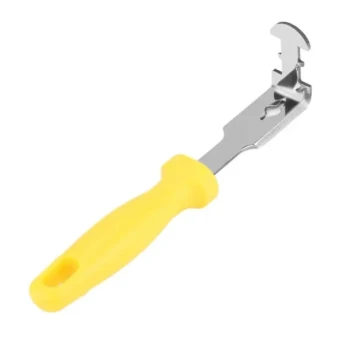
- Heavy Duty Stainless Steel Frame Cleaner with Plastic Handle
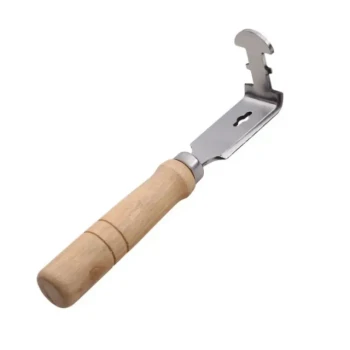
- Professional Stainless Steel Frame Cleaner with Ergonomic Wood Handle
People Also Ask
- What tools are used for cleaning frames? A Beekeeper's Simple 4-Tool Guide
- What are the physical characteristics of the frame cleaning tool? Durable Wood Design for Effective Hive Maintenance
- What is the purpose of the frame cleaning tool? A Precision Tool for Efficient Frame Maintenance
- In what specific situation is the frame cleaning tool particularly useful? Master Cut Comb Maintenance
- What is the function of the frame cleaning tool in beekeeping? Streamline Your Apiary Hygiene and Maintenance