The practical value of elevated stands and protective barriers lies in their ability to provide total physical isolation, safeguarding apiary assets from terrestrial predators and environmental hazards. These hardware solutions are critical for reducing colony mortality rates, ensuring consistent honey production, and enabling the transition from hobbyist setups to professional, intensive farming operations.
Core Takeaway: Elevated stands and protective barriers serve as the primary line of defense for stingless bee apiaries, mitigating risks from pests, flooding, and human interference to ensure long-term operational stability and higher survival rates.
Protecting Asset Integrity through Physical Isolation
Defense Against Terrestrial Predators and Pests
Elevated stands effectively break the path for ground-dwelling predators like ants, termites, and honey badgers. By raising the hive, usually to a height of at least one meter, beekeepers prevent these pests from infiltrating the colony and causing "absconding," where bees abandon a compromised hive.
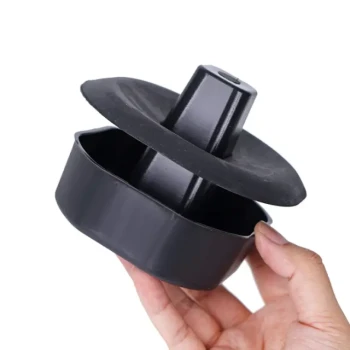
The addition of physical barriers, such as metal sheets or oil-traps at the base of the stands, creates a "dead zone" for crawling insects. This industrial-grade protection is essential for maintaining colony health without the need for harmful chemical pesticides.
Mitigation of Environmental Hazards
High-quality stands are designed with anti-corrosion materials to withstand high-humidity environments typical of stingless bee habitats. This ensures the structural integrity of hives made from wood or biological materials, preventing collapse and protecting the internal hive architecture.
Elevation also serves as a vital safeguard against localized flooding. By keeping the colonies above the water line, distributors can offer a solution that prevents catastrophic colony loss during heavy rain cycles or in low-lying agricultural zones.
Enabling Scalable and Professional Operations
Reducing Interference and Conflict
Protective barriers, including specialized fencing and screens, prevent livestock trampling and human interference. This is particularly important for commercial apiaries situated near residential areas or active farmland where accidental damage is a constant risk.
In specific regions, "beehive fences" utilize the bees' natural presence to deter large wildlife like elephants. This mitigates human-wildlife conflict and protects the apiary's physical assets from destruction, ensuring a stable and predictable supply chain.
Supporting Eco-Friendly Commercial Standards
Using physical isolation instead of chemical interventions aligns apiaries with sustainable and eco-friendly agricultural standards. This is a significant selling point for wholesalers targeting high-end markets that prioritize organic and pesticide-free honey production.
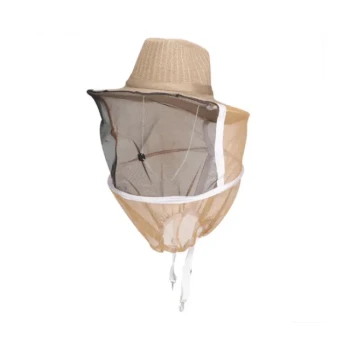
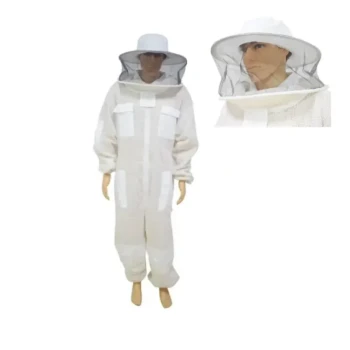
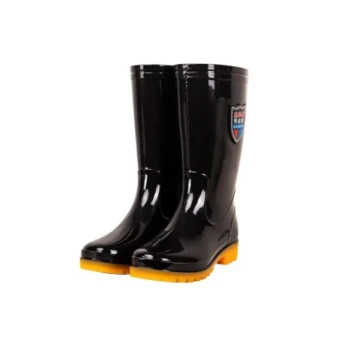
Specialized protective clothing also forms part of this barrier system, allowing operators to perform precision tasks—like honey suction and colony splitting—efficiently. Even though stingless bees cannot sting, their defensive biting can distract workers, and proper gear ensures operational focus and safety.
Understanding the Trade-offs
Maintenance and Material Selection
While elevated stands provide superior protection, they require regular inspections to ensure that debris or vegetation does not create new "bridges" for pests. Selecting high-durability, anti-corrosion materials is necessary to avoid frequent replacement costs in tropical climates.
Initial Investment vs. Long-term Yield
Implementing full-scale protective infrastructure involves a higher upfront capital expenditure compared to ground-based beekeeping. However, the reduction in colony loss and the ability to scale to intensive farming usually results in a much higher return on investment (ROI) over several seasons.
Maximizing Apiary Success through Professional Sourcing
As a distributor or reseller, offering a comprehensive portfolio of protective hardware demonstrates deep industry expertise and provides your clients with a "one-stop" solution for their apiary needs.
- If your primary focus is risk mitigation for large-scale farms: Prioritize anti-corrosion elevated stands with integrated pest barriers to ensure colony survival in harsh environments.
- If your primary focus is high-efficiency honey production: Recommend a combination of specialized hive stands and protective operator gear to streamline maintenance and harvesting.
- If your primary focus is sustainable agriculture: Highlight physical barrier solutions that eliminate the need for chemical pest control, appealing to eco-conscious producers.
Investing in high-quality protective infrastructure is the most effective way to secure apiary production and ensure the long-term viability of stingless bee commercial operations.
Summary Table:
| Feature | Practical Benefit | Commercial Value |
|---|---|---|
| Elevated Hive Stands | Prevents pest infiltration (ants/termites) and flood damage. | Ensures colony survival and long-term asset integrity. |
| Physical Barriers | Creates a "dead zone" without the need for chemical pesticides. | Supports organic certification and eco-friendly standards. |
| Specialized Fencing | Mitigates human-wildlife conflict and livestock interference. | Stabilizes honey production and supply chain predictability. |
| Protective Gear | Safeguards operators during hive splitting and honey suction. | Increases operational focus and harvesting efficiency. |
Scale Your Apiary Business with HONESTBEE
As a distributor or B2B reseller, your success depends on providing reliable, high-performance solutions. HONESTBEE is your premier partner for one-stop sourcing of professional beekeeping infrastructure. We supply a comprehensive wholesale portfolio, including specialized anti-corrosion hive stands, honey-filling machines, and essential industry consumables.
Why Partner with HONESTBEE?
- Full-Spectrum Portfolio: From hive-making machinery to honey-themed merchandise.
- Supply Reliability: Ultra-fast delivery and efficient order fulfillment to keep your inventory stocked.
- Professional Expertise: Deep industry knowledge to support your OEM/ODM requirements and certification needs.
- Dedicated Support: Rapid response times and exceptional service tailored to commercial apiaries.
Contact our wholesale team today to explore our premium trading services and secure competitive margins for your business!
References
- Zarina Abdul Salam, Adriana Mohd Rizal. Sustaining the Stingless Bees: A Comparative Analysis of Commercial and Traditional Harvesting Techniques on Colony Survival and Genetic Diversity: A Review. DOI: 10.6007/ijarbss/v15-i11/26980
This article is also based on technical information from HonestBee Knowledge Base .
Related Products
- Metal Hive Feet Bee Hive Stand for Ant Protection
- Metal Bee Hive Stand Bee Box Stand for Beekeeping
- Professional Ant-Proof Beehive Stand with Integrated Moat for Beekeeping
- Plastic Bee Hive Stand for Beekeeping
- Durable Galvanized Steel Frame Grip
People Also Ask
- What are the benefits of elevating a bee hive with a stand or base? Protect Your Colony and Your Back
- How does a beehive stand protect against predators and pests? Essential Strategies for Colony Security
- How should the height of a beehive stand be determined? Find Your Ergonomic Sweet Spot
- What to stand a beehive on? The Best Foundation for a Healthy, Manageable Apiary
- What is the best base for a beehive? Choose the Right Stand for Colony Health