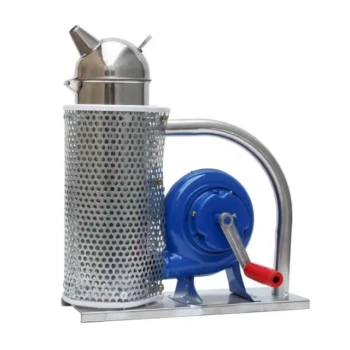
The primary function of a bee smoker is to neutralize the defensive instincts of a honeybee colony by disrupting chemical communication. By generating a controlled stream of cooled smoke, the device masks the alarm pheromones that bees release when threatened. This effectively prevents the colony from organizing an aggressive response, allowing beekeepers to work safely and efficiently.
By interrupting the transmission of alarm signals and inducing a docile state, the bee smoker transforms a potentially volatile hive environment into a stable workspace, protecting both the operator and the colony’s productivity.
The Mechanism of Action
Disrupting Chemical Signaling
Honeybees rely heavily on pheromones to communicate immediate threats. When a guard bee senses danger, it releases alarm pheromones to recruit other bees for defense.
The smoke produced by the device physically masks these chemical scents. By interfering with the transmission of these signals, the smoker breaks the chain reaction that typically leads to a mass attack.
Inducing the Feeding Response
Beyond masking scents, the presence of smoke triggers a survival instinct in the bees. The smoke simulates the presence of a natural fire nearby.
In response, bees instinctively retreat into the hive to consume stored honey. This engorging behavior makes the bees physically heavier and more lethargic, significantly reducing their inclination and ability to sting.
The Importance of "Cooled" Smoke
It is critical to note that the smoker is designed to generate cool smoke, not heat.
The fuel is burned in a way that produces thick, cool vapor. Hot smoke would injure the bees and likely trigger a panic response rather than the desired calming effect.
Operational Benefits
Ensuring Technician Safety
The immediate benefit of using a smoker is physical protection for the beekeeper. By suppressing the colony's aggression, the risk of stings is drastically minimized.
This allows for complex tasks—such as deep hive inspections, disease cleaning, or frame manipulation—to be performed without constant interruption by defensive bees.
Preserving Colony Productivity
A hidden benefit of the smoker is the maintenance of hive stability. An agitated colony stops working and experiences stress.
By keeping the colony calm during human intervention, the smoker prevents production fluctuations. It minimizes the stress load on the bees, ensuring they return to normal foraging and honey production duties quickly after the inspection is complete.
Common Pitfalls and Trade-offs
The Risk of Over-Smoking
While smoke is an essential tool, excessive use can be counterproductive. Flooding a hive with too much smoke can cause confusion rather than calm.
Over-smoking may also taint the flavor of the honey or wax if done immediately prior to harvesting without proper ventilation.
Temperature Control
The effectiveness of the tool relies entirely on the temperature of the smoke.
If the fuel burns too hot, or if the beekeeper forces sparks into the hive, it can singe the bees' wings. This physical harm triggers an extreme defense response, negating the calming purpose of the tool.
Making the Right Choice for Your Goal
To utilize a bee smoker effectively, tailor your approach to the specific task at hand:
- If your primary focus is Routine Inspection: Use light puffs of cool smoke at the entrance to mask guard pheromones before opening the hive.
- If your primary focus is Honey Harvesting: Apply smoke more deliberately to drive bees down from the honey supers, initiating the feeding response to clear the frames.
- If your primary focus is Colony Health: Ensure the fuel used is clean and non-toxic to prevent introducing contaminants during disease cleaning or maintenance.
Mastering the bee smoker is not just about subduing bees; it is about respecting their biology to ensure a safe interaction for both the keeper and the colony.
Summary Table:
| Mechanism/Benefit | Action Description | Primary Outcome |
|---|---|---|
| Pheromone Masking | Disrupts alarm chemical signals between guard bees | Prevents organized colony aggression |
| Feeding Instinct | Triggers bees to engorge on honey | Makes bees lethargic and less likely to sting |
| Temperature Control | Produces thick, cooled vapor (not heat) | Calms the colony without causing physical injury |
| Operational Safety | Minimizes stings during deep inspections | Protects the technician and reduces hive stress |
| Productivity | Maintains stable hive environment | Minimizes downtime and preserves honey quality |
Elevate Your Apiary Operations with HONESTBEE
For commercial apiaries and distributors, the right equipment is the difference between a volatile hive and a productive harvest. HONESTBEE provides high-quality beekeeping tools, machinery, and essential consumables designed for large-scale efficiency.
Whether you need precision honey-filling machines, durable hive-making hardware, or professional-grade smokers to manage your colonies, we offer a comprehensive wholesale portfolio to support your business growth.
Ready to scale your honey production? Contact us today to explore our wholesale solutions and see how we can streamline your honey management process.
References
- Dipak Khanal, Shreekrishna Neupane. An Overview of Bee Keeping in Rupandehi District, Nepal over Seven Years. DOI: 10.3126/nepjas.v29i01.85433
This article is also based on technical information from HonestBee Knowledge Base .
Related Products
- Professional Bee Smoker with Elongated Spout and Durable Bellows for Beekeeping
- Stainless Steel Honey Bee Smoker Hive and Honeycomb Smoker for Beekeeping
- European Stainless Steel Bee Smoker for Honey Bee Hive
- Premium Traditional Copper Bee Smoker with Bellows
- Heavy-Duty Bee Smoker with Durable Plastic Bellows for Beekeeping
People Also Ask
- What roles do bee smokers and precision tools play in honey harvesting? Master Safety and Quality Control
- Why is a professional bee smoker considered an essential tool for hive management and safety? Master Colony Control.
- Why is the use of professional bee smokers and specialized fuel essential? Protect Honey Purity & Colony Safety
- Why is a professional bee smoker essential for hive maintenance? Master Colony Control & Safety
- What is the mechanism by which a professional bee smoker assists in colony management? Boost Hive Safety and Efficiency