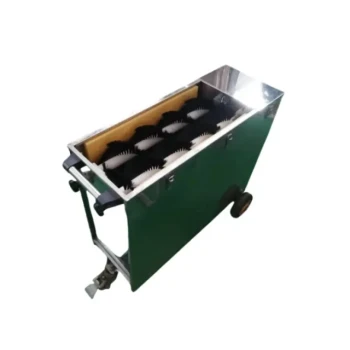
Professional bee smokers and specialized fuel are the cornerstone of responsible apiary management and product safety. While the smoker serves as the primary mechanism for controlling colony aggression, the quality of the fuel used directly dictates whether the resulting honey remains pure or becomes contaminated by harmful residues.
Core Takeaway The choice of smoking equipment and fuel is a critical control point in beekeeping. Using industrial-grade smokers with specialized fuel ensures bees remain calm for safe inspections while eliminating the risk of introducing toxic contaminants into the honey.
The Mechanics of Colony Control
Controlling Aggression
Professional bee smokers are the standard tool for managing hive behavior. They are designed to deliver a controlled volume of smoke that interrupts the colony's defensive pheromones.
Calming the Hive
By masking alarm signals, the smoke effectively calms the bees. This allows the beekeeper to perform necessary inspections and maintenance without triggering a mass defensive response.
Equipment Reliability
Using industrial-grade smokers ensures consistent performance. Reliable equipment prevents the smoke from cutting out midway through an inspection, which could lead to a sudden resurgence in colony aggression.
The Critical Impact of Fuel on Honey Quality
Ensuring Hygiene and Purity
The primary goal of professional beekeeping is to produce a safe, high-quality food product. Specialized fuel is manufactured to burn cleanly, ensuring that the smoke used to pacify the bees does not compromise the hygiene of the hive.
The Dangers of Low-Quality Fuel
Substituting specialized fuel with random organic matter or low-quality alternatives introduces significant risks. These materials often burn incompletely or contain impurities that generate smoke laden with harmful substances.
Contamination Risks
Smoke is not just air; it is particulate matter that settles on combs and uncapped nectar. Using improper fuel sources leads to smoke that can directly contaminate the honey, introducing foreign chemicals that ruin the flavor and compromise food safety.
Common Pitfalls to Avoid
Overlooking Fuel Composition
A common mistake is viewing smoke simply as a functional tool rather than a potential contaminant. Failing to verify the purity of your fuel source is a direct violation of food safety protocols.
Compromising on Equipment
While it may be tempting to use makeshift tools, they often lack the filtration and burn control of professional smokers. This can lead to hot sparks entering the hive or excessive, dirty smoke that stresses the colony and taints the harvest.
Making the Right Choice for Your Goal
To maintain a sustainable and high-quality operation, your equipment choices must align with your production standards.
- If your primary focus is Colony Management: Prioritize industrial-grade smokers that provide consistent, cool smoke to keep aggression low during deep inspections.
- If your primary focus is Honey Quality: exclusively use pure, specialized fuel to ensure that no harmful residues or off-flavors are introduced into your final product.
The integrity of your honey starts with the quality of the smoke you use.
Summary Table:
| Feature | Professional Equipment & Fuel | Impact on Apiary Operations |
|---|---|---|
| Colony Control | Mask alarm pheromones with cool smoke | Reduces aggression; allows safe, deep hive inspections |
| Honey Quality | Pure, specialized fuel; clean burn | Prevents chemical residues and off-flavors in honey |
| Equipment Reliability | Industrial-grade smokers | Ensures consistent smoke volume without mid-task failure |
| Food Safety | Non-toxic, residue-free particulates | Compliance with strict hygiene and production protocols |
Elevate Your Beekeeping Standards with HONESTBEE
Maintaining honey purity and colony health starts with the right equipment. HONESTBEE caters to commercial apiaries and distributors with a comprehensive wholesale offering designed for professional success.
We provide the full spectrum of beekeeping tools, industrial smokers, and specialized fuels, along with essential industry consumables. Beyond manual tools, our portfolio includes specialized hardware like hive-making and honey-filling machines, as well as unique honey-themed cultural merchandise to help your brand stand out.
Partner with us to ensure your honey meets the highest global standards. Contact us today to explore our wholesale solutions and see how we can optimize your production efficiency.
References
- Diogo de Barros Mota Mélo, Roger Beelen. Apicultura no Estado de Alagoas: um estudo sobre práticas desenvolvidas por apicultores em Município do Agreste Alagoano. DOI: 10.22256/pubvet.v5n2.1001
This article is also based on technical information from HonestBee Knowledge Base .
Related Products
- Professional Bee Smoker with Elongated Spout and Durable Bellows for Beekeeping
- Professional Replacement Bee Smoker Bellows for Beekeeping Equipment
- Premium Traditional Copper Bee Smoker with Bellows
- Heavy-Duty Bee Smoker with Durable Plastic Bellows for Beekeeping
- Stainless Steel Honey Bee Smoker Hive and Honeycomb Smoker for Beekeeping
People Also Ask
- What roles do bee smokers and precision tools play in honey harvesting? Master Safety and Quality Control
- Why is a professional bee smoker considered an essential tool for hive management and safety? Master Colony Control.
- Why is a professional Smoker essential during routine apiary inspections? Enhance Safety and Operational Efficiency
- How do professional bee smokers facilitate bee management? Enhancing Forest Beekeeping Safety and Efficiency
- What is the mechanism by which a professional bee smoker assists in colony management? Boost Hive Safety and Efficiency