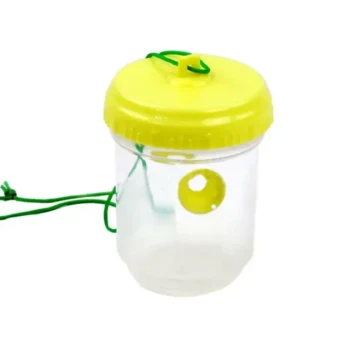
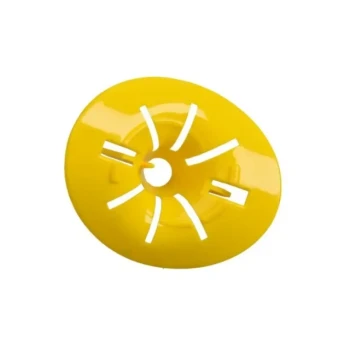
The primary function of a Propolis Trap is to facilitate the standardized collection of high-purity propolis by leveraging the honeybee's natural biological instinct to seal gaps within the hive. Instead of relying on manual extraction methods, these devices present the colony with specific crevices, compelling the bees to fill them with clean propolis. This transforms propolis from a byproduct into a harvestable resource.
While manual scraping yields material often contaminated with hive debris, a Propolis Trap isolates the collection process. This ensures the raw material remains free of impurities like wood chips and soil, which is critical for efficient downstream refinement.
The Mechanism of Collection
Leveraging Biological Behavior
Honeybees possess an innate drive to seal cracks and crevices in their hive to maintain temperature and prevent drafts. Propolis Traps—often designed as mats, boards, or plates—are engineered with specific gap sizes to trigger this response.
Standardized Harvesting
By concentrating propolis deposition onto a removable device, the trap standardizes the harvesting workflow. Beekeepers can remove the filled trap without dismantling the entire hive structure or disturbing the core colony.
The Purity Advantage
Reducing Physical Contamination
The most significant technical advantage of using a trap over a hive tool is the reduction of foreign matter. Traditional scraping often dislodges splinters, paint, soil, and even dead bees into the harvest.
Improving Refining Efficiency
Traps ensure that the harvested crude propolis contains a significantly higher proportion of active ingredients. By minimizing physical impurities at the source, the material requires less filtration and processing during the refinement stage.
Strategic Impact on Operations
Diversifying Production
Propolis traps allow an apiary to diversify its output beyond honey and pollen. This increases the resilience of the production chain by adding a high-value by-product stream.
Non-Intrusive Collection
When used correctly, these devices allow for the harvesting of propolis without negatively impacting honey production or colony health. They separate the resource streams, allowing for simultaneous production goals.
Understanding the Trade-offs
Equipment and Management Overhead
Unlike scraping, which utilizes standard hive tools, traps represent an additional equipment investment. They also require specific management schedules; leaving traps in place too long can alter hive ventilation or crowd the colony.
Specificity of Application
Traps are designed for specific hive configurations. An improperly fitted trap may fail to trigger the gap-filling instinct or, conversely, allow bees to bypass the collection area entirely.
Making the Right Choice for Your Goal
To determine if Propolis Traps are the right addition to your operation, consider your end-product requirements:
- If your primary focus is high-value commercial refinement: Use Propolis Traps to maximize purity and minimize the labor required for cleaning raw material.
- If your primary focus is casual hive maintenance: Manual scraping with a hive tool may suffice, though the resulting material will be lower grade and mixed with debris.
By replacing opportunistic scraping with targeted trapping, you elevate propolis collection from a maintenance task to a professional production standard.
Summary Table:
| Feature | Manual Scraping | Propolis Trap Collection |
|---|---|---|
| Purity Level | Low (contains wood chips, soil, debris) | High (minimal physical impurities) |
| Labor Intensity | High (manual scraping required) | Low (removable device for easy harvest) |
| Product Value | Lower (requires heavy filtration) | Higher (ideal for commercial grade) |
| Impact on Hive | Intrusive to hive structure | Non-intrusive; separate resource stream |
| Workflow | Opportunistic maintenance | Standardized production process |
Elevate Your Apiary's Productivity with HONESTBEE
Are you looking to diversify your production and capture the high-value propolis market? HONESTBEE provides commercial apiaries and distributors with professional-grade beekeeping tools and machinery designed for efficiency.
From high-purity propolis traps to advanced honey-filling machines and specialized hardware, our comprehensive wholesale offering ensures your operation meets professional standards. Partner with us to access a full spectrum of industry consumables and honey-themed cultural merchandise tailored to your business growth.
Ready to scale your operation? Contact us today to explore our wholesale solutions and see how HONESTBEE can deliver exceptional value to your beekeeping business.
References
- Sibel Soycan Önenç, Aslı Turan Uçman. Effects of Adding Ethanol Extract of Propolis on the Fermentation Quality, Aerobic Stability, Fatty Acid Profile, and In Vitro Digestibility of Alfalfa Silages. DOI: 10.3390/fermentation8080412
This article is also based on technical information from HonestBee Knowledge Base .
Related Products
- 8 Frame and 10 Frame Propolis Trap Collector Screen for Propolis Collection
- Professional Bucket Style Wasp and Moth Pheromone Trap
- 30 cm Plastic Entrance Hole Bee Pollen Trap and Collector
- Removable Plastic Pollen Trap With Ventilated Tray for Bees Pollen Collector
- Compact Multi-Funnel Hanging Wasp Trap
People Also Ask
- Why is a specific wooden frame required when installing a propolis screen? Optimize Your Propolis Harvest Efficiency
- What are the advantages of using propolis collector screens? Elevate Your Harvest to Pharmaceutical Purity
- How do propolis collection screens work? Discover material specs for commercial harvesting equipment
- How does the mesh size of a propolis collection screen influence the efficiency of propolis harvesting? Optimize Yields!
- How do commercial-grade plastic screens compare to custom fine-mesh screens? Maximize Your Propolis Yield & ROI