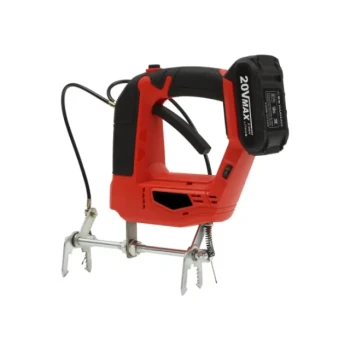
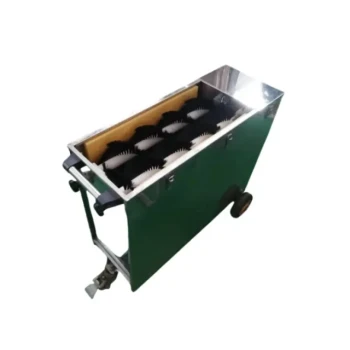
The primary function of an electric stimulus bee venom collection device is to systematically induce and harvest venom from a honeybee colony without harming the bees. By generating specific, controlled electric pulse signals, the device triggers a natural defensive response in worker bees, causing them to discharge venom onto a specialized collection plate.
The core innovation of this technology is its ability to industrialize venom collection. It shifts the process from a manual, high-risk activity to a high-efficiency, non-destructive operation that preserves the colony's population while securing a valuable commercial product.
The Mechanism of Action
Stimulating the Defensive Reaction
The device operates by emitting precise electric pulses. These pulses mimic a threat, prompting the worker bees to react instinctively.
Upon contact with the device, the bees perceive the electrical stimulus and initiate a defensive venom discharge reaction.
The Collection Interface
As the bees react, they sting the collection plates integrated into the device.
Because they are stinging a hard surface (the plate) rather than soft tissue, their stingers do not become lodged. This allows the venom to be deposited for collection while the bee retains its stinger and survives the process.
Operational Advantages
Non-Destructive Harvesting
The most critical advantage of this method is that it prevents mortality within the colony.
Traditional defense mechanisms often result in the death of the bee when the stinger is lost. By utilizing controlled current and voltage parameters, this device ensures the bees release venom without sustaining physical injury or dying.
High-Efficiency Scalability
Commercial apiculture requires processes that can be scaled across many hives.
This equipment automates the stimulation process, allowing for large-scale collection across an apiary. It maximizes the yield of venom relative to the time and labor invested.
Understanding the Trade-offs
Precision is Critical
While the primary reference highlights the device's non-destructive nature, this relies entirely on the correct calibration of the equipment.
The current and voltage parameters must be exact. If the settings are too high, the electric shock could harm the bees; if too low, it will fail to provoke the necessary discharge.
Equipment vs. Habitat
It is important to distinguish the collection device from the hive itself.
As noted in standard beekeeping contexts, the beehive serves as the core habitat for protection and reproduction. The venom collector is a specialized tool introduced temporarily to this environment; it does not replace the fundamental need for a high-quality, durable bee box to maintain colony health during the collection process.
Making the Right Choice for Your Goal
When integrating venom collection into your apiary, consider your specific objectives:
- If your primary focus is Maximum Yield: Prioritize devices with advanced voltage regulation to maintain the highest stimulation rate without crossing the safety threshold.
- If your primary focus is Colony Sustainability: Ensure your usage schedule allows the colony sufficient recovery time between collection sessions to prevent stress-related population decline.
Successful venom collection relies on balancing the aggressive extraction of a high-value product with the long-term biological health of the hive.
Summary Table:
| Feature | Description |
|---|---|
| Core Function | Non-destructive induction and harvest of honeybee venom |
| Mechanism | Precise electric pulses trigger defensive venom discharge |
| Key Benefit | High-efficiency collection without bee mortality |
| Essential Parameter | Exact voltage/current calibration to ensure safety |
| Output Medium | Glass collection plates for easy dried venom scraping |
Scale Your Apiculture Business with HONESTBEE
Are you looking to diversify your revenue streams with high-value bee venom? HONESTBEE provides the professional-grade tools and machinery needed to transform your apiary into a high-efficiency production hub.
We specialize in catering to commercial apiaries and distributors, offering a comprehensive wholesale portfolio that includes:
- Advanced Venom Collectors: Precision-calibrated devices for maximum yield and colony safety.
- Industrial Machinery: From specialized hive-making equipment to automated honey-filling machines.
- Quality Hardware: Durable beehives and essential consumables built for the demands of professional beekeeping.
Maximize your apiary's potential today. Contact us at HONESTBEE to discuss our wholesale offerings and how we can support your growth with reliable, industrial-scale beekeeping solutions.
References
- K. El-Shaarawy, Ahmed EL-Shemy. EFFECT OF DIFFERENT BEE VENOM COLLECTION PERIODS USING ELECTRICAL SHOCH DEVICE ON SOME VENOM CHARACTERISTICS AND HONEYBEE COLONIES ACTIVITIES. DOI: 10.21608/jppp.2007.219625
This article is also based on technical information from HonestBee Knowledge Base .
Related Products
- Full Set Beekeeping Electronic Bee Venom Collector Machine Device for Bee Venom Collecting
- Portable Electric Bee Vacuum with Lithium Battery and 20L Collection Bucket
- High Performance Cordless Electric Bee Shaker for Beekeeping
- Electric Bee Smoker European Style Bee Hive Smoker for Beekeeping
- Commercial Grade Vertical Electric Bee Sweeper for Bee Removal
People Also Ask
- How does the glass plate integrated into a bee venom collector contribute to maintaining quality and purity?
- What is the function of specialized collection equipment in the production process of bee venom? Expert Guide
- What is the significance of using specialized bee venom collection devices in commercial beekeeping operations?
- Why are bee venom collection devices typically mounted on specialized wooden carrier boards? Maximize Yield & Purity.
- How does a dedicated bee venom collection device operate? Extract Pure Venom Safely Without Harming Your Bees