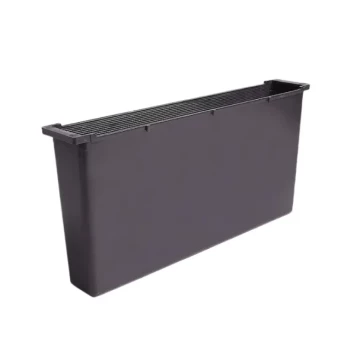
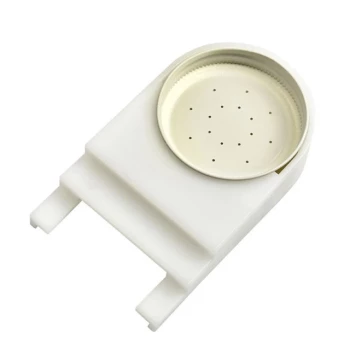
The primary function of an internal feeder is to establish a protected, internal intake channel that allows honeybees to access high-capacity liquid feeds, such as nutrient-enriched syrups.
By installing the device inside the hive, you ensure the precise, quantitative delivery of plant protection supplements while simultaneously preventing bee drowning and minimizing the risk of external contamination.
Core Insight: Internal feeders are not just simple containers; they are precision tools designed to standardize nutritional intake. They solve the dual challenge of delivering exact dosages of supplements while creating a safe, controlled physical environment that protects the solution from the elements and the bees from the liquid itself.
The Mechanics of Protected Delivery
Controlled Intake Channels
The fundamental design of an internal feeder focuses on creating a secure interface between the bee and the nutrient source.
Unlike open feeding methods, this internal placement provides a protected intake channel. This ensures that the colony has direct access to food without exposure to external threats or weather.
Preventing Honeybee Mortality
A critical design feature of these feeders is the prevention of drowning.
Liquid feeds pose a significant risk to bees, which can easily become trapped in the solution. Internal feeders are engineered with barriers or specific access points that allow feeding while keeping the bees physically safe from the liquid volume.
Minimizing Contamination
Hygiene is paramount when introducing supplements to a hive.
By housing the feed inside the hive structure, the feeder minimizes external contamination. This protects the nutritional integrity of the syrup from dust, debris, and other insects, ensuring the colony consumes exactly what was intended.
Achieving Nutritional Precision
Quantitative Delivery
For beekeepers administering plant protection supplements or experimental nutrients, accuracy is essential.
Internal feeders facilitate the precise quantitative delivery of these substances. This allows for standardized dosing, ensuring that the colony receives a measurable and consistent amount of the active ingredient or nutrient.
Supporting Metabolic Stability
Beyond simple hunger, these feeders play a crucial role in maintaining colony metabolism.
During periods of nectar scarcity or inclement weather, they provide a stable energy supply. This stability reduces worker bee agitation and prevents the abandonment of queen cells, ensuring the colony continues to function normally despite external conditions.
Understanding the Trade-offs
Liquid vs. Solid Feed Limitations
While the primary reference highlights liquid delivery (syrups), it is important to note that different feeder designs are required for different feed states.
Standard internal liquid feeders are excellent for syrups but are not suitable for protein pastes or pollen substitutes. Those require shallow trough solid feeders to prevent molding and drying out, necessitating a different equipment approach for protein versus carbohydrate supplementation.
Maintenance Requirements
Internal feeders, while protective, are not "set and forget" devices.
Because they are high-capacity and enclosed, they must be monitored to ensure the feed does not ferment or spoil over time. Furthermore, restricted access can sometimes make cleaning more difficult compared to simpler, external devices.
Making the Right Choice for Your Goal
To maximize the effectiveness of your nutritional strategy, select your feeder based on your specific objective:
- If your primary focus is precise medication or experimentation: Utilize an internal feeder (like a Miller feeder) to ensure a standardized administration route where every drop is accounted for.
- If your primary focus is colony survival during dearth: Rely on high-capacity internal feeders to maintain metabolism and reduce agitation, preventing the loss of queens.
- If your primary focus is protein supplementation: Switch to shallow trough solid feeders to simulate natural foraging and prevent the feed from spoiling in high humidity.
The most effective feeding strategy uses the internal environment of the hive to turn nutritional variables into controlled constants.
Summary Table:
| Feature | Primary Function & Benefit |
|---|---|
| Delivery Method | Protected internal intake channel for liquid syrups |
| Safety Mechanism | Engineered barriers to prevent honeybee drowning |
| Hygiene Control | Internal placement minimizes external debris & contamination |
| Dosing Accuracy | Enables precise quantitative delivery of supplements |
| Colony Impact | Supports metabolic stability and reduces worker agitation |
Maximize Your Colony's Vitality with HONESTBEE
Precision feeding is the cornerstone of a productive commercial apiary. HONESTBEE provides professional-grade beekeeping tools, machinery, and essential consumables specifically designed for commercial apiaries and distributors. Whether you need specialized hive-making equipment or high-capacity internal feeders to standardize your nutritional intake, we offer the comprehensive wholesale solutions your business requires.
Ready to elevate your beekeeping operations? Contact us today to discover how our industry-leading hardware and expertise can drive your success.
References
- Nemanja M. Jovanović, Zoran Stanimirović. Plant-based supplement containing B-complex vitamins can improve bee health and increase colony performance. DOI: 10.1016/j.prevetmed.2021.105322
This article is also based on technical information from HonestBee Knowledge Base .
Related Products
- Professional In-Hive Bee Feeder HONESTBEE Frame for Beekeeping
- HONESTBEE Entrance Bee Feeder Professional Hive Nutrition Solution for Beekeeping
- In-Hive Dual Compartment Frame Bee Feeder for Targeted Colony Nutrition
- White Plastic 0.5L Beekeeping Entrance Feeder for Bees
- HONESTBEE Entrance Bee Feeder Efficient Hive Front Liquid Feeding Solution for Beekeeping
People Also Ask
- When should beekeepers stop feeding their bees? Let Your Bees Tell You
- Why is the use of a beekeeping feeder for syrup supplementation important? Boost Colony Growth and Survival
- What are the common types of internal and external feeders used in beekeeping? Choose the Right Feeder for Your Hive
- What is a feeder in the context of beekeeping? Optimize Your Hive Nutrition and Growth
- How do specialized feeders contribute to effective artificial feeding? Scientific Apiary Management & Colony Health