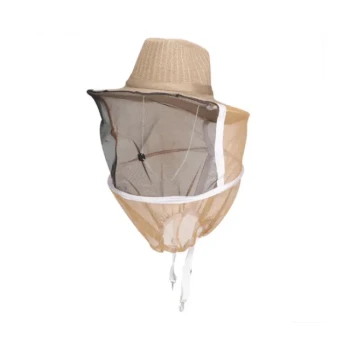
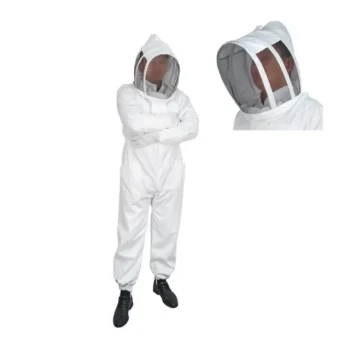
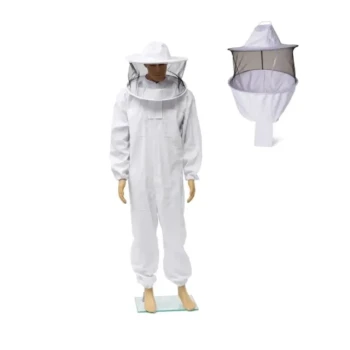
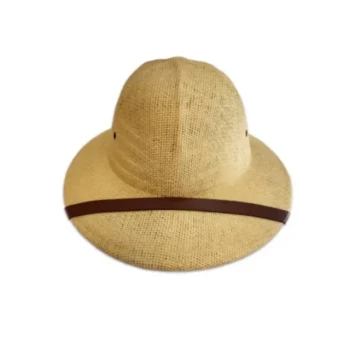
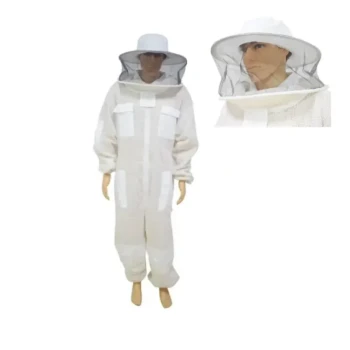
The primary function of a beekeeping protective veil is to act as a specialized physical barrier that shields the operator's most vulnerable areas—the face and neck—from bee stings. Utilizing a fine mesh structure, the veil ensures that beekeepers can engage in high-contact apiary tasks without the risk of facial injury. This equipment is the foundational safety layer for operations ranging from routine hive openings to complex honey harvesting.
The protective veil does more than prevent injury; it provides the psychological security necessary for precision. By eliminating the fear of facial stings, it enables the operator to work calmly and efficiently in a volatile environment.
The Mechanics of Protection
Shielding Vulnerable Zones
The face and neck are the most sensitive areas of the body regarding reaction to venom and swelling. The veil utilizes fine mesh to effectively block bees from accessing these critical zones. This targeted protection is vital because a sting in these areas can obscure vision or compromise breathing.
Enabling High-Contact Tasks
Apiary management requires the operator to work within inches of the colony. The veil facilitates essential, intrusive tasks such as opening hives and cleaning frames. Without this barrier, the proximity required for these tasks would be untenable.
Supporting Advanced Operations
Beyond basic maintenance, the veil is crucial for complex procedures like artificial swarming operations. These tasks often agitate the colony, increasing defensive behavior. The veil ensures the beekeeper can complete these time-sensitive procedures without retreating.
Enhancing Operational Efficiency
Maintaining Operator Calmness
Sudden movements triggered by fear or pain can incite further aggression in a colony. By guaranteeing safety, the veil allows the operator to move calmly and precisely. This stability reduces the overall stress on the colony during inspections.
Facilitating Visual Precision
The mesh construction is designed to balance protection with visibility. This allows technicians to monitor colony health and perform delicate work, such as honey harvesting, without visual obstruction or the distraction of defending oneself.
Understanding the Limitations
Integration Dependencies
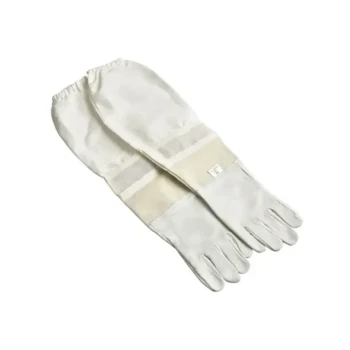
A veil is rarely sufficient as a standalone solution for full-body protection. It functions best when integrated with a professional beekeeper's dress. The veil protects the head, but without a full suit, the rest of the body remains exposed to defensive behaviors.
Species-Specific Defenses
While veils are designed to stop stings, they must also account for non-stinging defense mechanisms. Certain species, such as stingless bees (Trigona or Linot), defend by biting or crawling into the eyes, ears, and nose. If a veil is not properly sealed or the mesh is too coarse, it may fail to prevent these specific types of intrusions.
Making the Right Choice for Your Goal
To select the appropriate protective gear configuration, consider your specific operational focus:
- If your primary focus is routine maintenance: Prioritize a veil with high-visibility mesh that integrates seamlessly with your suit to ensure clear sightlines during frame inspections.
- If your primary focus is managing aggressive colonies: Ensure your veil has a reinforced seal mechanism to prevent bees from crawling inside during periods of heightened defensive behavior.
The protective veil is the essential interface that transforms a potentially hazardous biological interaction into a controlled, manageable workflow.
Summary Table:
| Feature | Primary Function & Benefit |
|---|---|
| Core Protection | Shields vulnerable face and neck areas from stings and venom. |
| Operational Calmness | Provides psychological security for precise, steady movement. |
| Visibility Mesh | Balances worker safety with the visual clarity needed for inspections. |
| Task Facilitation | Enables high-contact work like hive opening and artificial swarming. |
| Integration | Acts as the critical head-protection component of a full beekeeping suit. |
Elevate Your Apiary Operations with HONESTBEE
At HONESTBEE, we understand that professional beekeeping requires equipment that balances uncompromising safety with operational efficiency. As a dedicated partner to commercial apiaries and distributors, we provide a comprehensive wholesale range of premium beekeeping tools, machinery, and consumables.
From advanced protective gear and hive-making machines to high-capacity honey-filling equipment, our portfolio is designed to scale your business and protect your workforce. Contact us today to discuss our wholesale offerings and discover how our specialized hardware and industry expertise can streamline your honey production and distribution.
References
- Apriyanita Pitri Ningrum, Wahyu Hidayat. Manajemen Penangkaran Lebah Madu (Apis Cerana Fabr.) Di Desa Buana Sakti Kecamatan Batanghari Kabupaten Lampung Timur. DOI: 10.23960/jsl1123-28
This article is also based on technical information from HonestBee Knowledge Base .
Related Products
- Premium Cowboy Beekeeper Hat with Visibility Veil Outdoor Professional Beekeeping Protective Gear
- Beekeeper Cowboy Hat and Veil for Beekeeping
- Professional Square Folding Wire Mesh Beekeeping Veil
- Premium Cotton Beekeeper Suit with Reinforced Fencing Veil
- White Cotton Beekeeping Jacket and Veil for Bee Keepers
People Also Ask
- What design features contribute to the stability and fit of the beekeeper hat? Key Features for Maximum Hive Safety
- How is the beekeeper hat designed for comfort and practicality? Explore Key Features for Enhanced Apiary Safety
- What is the general protective gear recommendation for new beekeepers? Your Essential Beginner's Safety Guide
- How does beekeeping protective gear facilitate the queen bee selection process? Enhancing Precision in Queen Breeding
- What should beekeepers consider when choosing protective gear? A Guide for Maximum Safety & Comfort