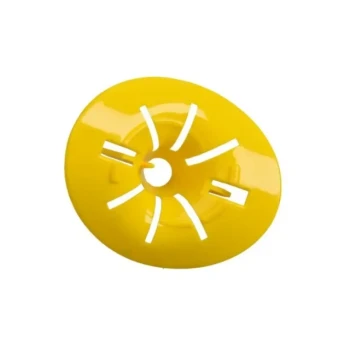
The primary function of high-efficiency pollen traps is to mechanically intercept and collect pollen loads from returning worker bees without causing them physical harm. Installed at the hive entrance, these devices utilize a specific grid design to strip pollen pellets from the bees' legs as they enter. This process ensures the continuous, stable acquisition of raw samples required for botanical identification, chemical analysis, and commercial production.
High-efficiency traps transform the hive entrance into an automated collection point, balancing the need for rigorous scientific sampling and high-purity harvest with the physical safety of the colony.
The Mechanics of Interception
Physical Separation via Grids
The core mechanism involves a physical barrier with precisely calculated apertures.
As worker bees pass through these openings to enter the hive, the grid mechanically strips the pollen pellets from the pollen baskets on their hind legs.
Non-Invasive Design
Despite the physical interaction, high-efficiency traps are engineered to be non-destructive.
The design priority is to dislodge the pollen load without injuring the insect, allowing the worker bee to continue its duties within the hive unhindered.
Strategic Applications of Collection
Enabling Scientific Analysis
The primary reference highlights that these traps provide the essential raw material for laboratory study.
By collecting samples over specific timeframes, researchers can perform accurate botanical identification to determine which plant species bees are visiting.
Chemical Composition Assessment
Beyond simple identification, the collected pollen allows for deep chemical analysis.
This data is critical for assessing the nutritional intake of the colony and understanding the floral resource abundance across the surrounding landscape.
Commercial Purity
For apiaries, these traps serve as the starting point for high-value product lines.
They facilitate the large-scale, automated collection of "clean" pollen—separated immediately from external contaminants—supporting a transition from simple honey production to a diversified business model.
Understanding the Trade-offs
Collection vs. Colony Nutrition
While the goal is collection, total interception is neither possible nor desirable.
Most traps operate with an efficiency between 30% and 70%, ensuring that a significant portion of pollen still enters the hive to support the colony's protein requirements.
Impact on Foraging Behavior
The presence of a trap alters the colony's resource inflow.
Beekeepers and researchers must monitor the hive to ensure the automated collection does not inadvertently starve the colony or force it into stress-induced foraging behaviors.
Making the Right Choice for Your Goal
Whether you are conducting environmental research or expanding a commercial operation, the utility of the trap depends on your specific objective.
- If your primary focus is nutritional research: Prioritize traps that allow for precise temporal sampling to correlate specific pollen types with seasonal landscape changes.
- If your primary focus is commercial production: Select high-efficiency models that maximize yield and cleanliness while maintaining an aperture size that minimizes stress on the bees.
By utilizing high-efficiency traps, you bridge the gap between field activity and laboratory insight, turning raw foraging data into actionable intelligence.
Summary Table:
| Feature | Description | Benefit |
|---|---|---|
| Mechanism | Precision-calculated grid apertures | Strips pollen pellets safely from bees' legs |
| Efficiency Rate | Typically 30% - 70% | Balances harvest yield with colony nutrition |
| Safety Focus | Non-invasive, non-destructive design | Protects workers while maintaining productivity |
| Core Output | High-purity raw pollen samples | Enables accurate botanical and chemical analysis |
Scale Your Apiary Operations with HONESTBEE
Are you looking to diversify your commercial apiary's output with high-purity pollen collection? HONESTBEE provides professional-grade beekeeping tools and machinery tailored for distributors and large-scale operators.
From high-efficiency pollen traps to advanced honey-filling machines and specialized hardware, our comprehensive wholesale portfolio is designed to enhance your efficiency and market value. Let us help you turn raw foraging data into a profitable business model.
Contact us today to explore our wholesale equipment solutions
References
- El-Kazafy A. Taha. Chemical Composition and Amounts of Mineral Elements in Honeybee-Collected Pollen in Relation to Botanical Origin. DOI: 10.1515/jas-2015-0008
This article is also based on technical information from HonestBee Knowledge Base .
Related Products
- High-Efficiency Diamond Maze Bee Escape for Clearing Supers
- Removable Plastic Pollen Trap With Ventilated Tray for Bees Pollen Collector
- 30 cm Plastic Entrance Hole Bee Pollen Trap and Collector
- Plastic Bee Pollen Trap Strips Comb Catcher Collector
- Heavy-Duty Ergonomic Grip Galvanized Pollen Shovel
People Also Ask
- How can bees be cleared off honey supers in a Langstroth hive? Use a Gentle Bee Escape
- How can a bee escape be adapted for use in a Warre hive? Effective Customization Methods for Successful Harvesting
- What is a bee escape and why is it used in beekeeping? A Guide to Gentle Honey Harvesting
- What are some common types of bee escapes and how are they typically mounted? Optimize Your Honey Harvest Efficiency
- What is the primary function of a bee escape? Simplify Your Honey Harvest with Stress-Free Hive Management