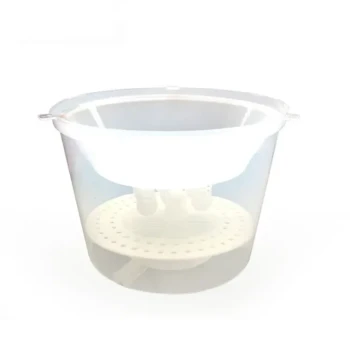
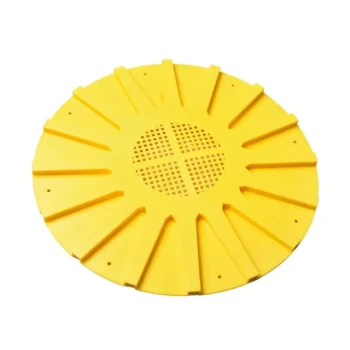
The primary function of specialized beetle traps is to serve as a non-chemical mechanism for both physical capture and pest monitoring. In commercial apiaries, these devices are critical for detecting Small Hive Beetle (SHB) invasions early. By acting as a physical barrier, they suppress the expansion of beetle populations before they become unmanageable.
Specialized beetle traps provide a dual-purpose solution: they function as high-efficiency detection tools to alert beekeepers of new invasions, while simultaneously reducing pest density to prevent egg-laying and colony collapse.
The Mechanics of Detection and Control
Early Warning and Biosecurity
The core value of these traps lies in early detection. By capturing the initial wave of adult beetles, the traps provide quantifiable data regarding the severity of an infestation.
This allows beekeepers to assess the biosecurity level of the apiary immediately. High detection efficiency ensures that intervention occurs before the beetles can establish a breeding population.
Exploiting Pest Behavior
Traps are engineered to exploit the specific biological instincts of the Small Hive Beetle. They capitalize on the beetle's photophobic nature (fear of light) and their instinct to seek shelter in dark, tight crevices to avoid harassment by honeybees.
Additionally, baited traps utilize the beetle’s attraction to specific odors, such as fermented honey, pollen, or yeast. This lures adults away from the comb and into a controlled environment where they can be removed.
Physical Suppression
Beyond monitoring, these traps act as a physical barrier to population growth. By capturing adult beetles, the traps interrupt the reproductive cycle.
Removing adults prevents them from laying eggs in the hive. This is critical, as it is the larval stage that causes the most destruction to honey and wax resources.
Common Trap Modalities
In-Hive Mechanical Traps
These devices are placed inside the hive and often filled with mineral oil. They provide a "safe" dark harbor for beetles fleeing aggressive guard bees. Once the beetles enter the trap to hide, they are unable to escape and drown in the oil.
Perimeter and Diagnostic Traps
Baited pole traps are positioned around the apiary's perimeter to intercept migrating beetles before they enter hives. Conversely, corrugated plastic traps and sticky mats are used internally as diagnostic tools to capture specimens for laboratory testing and confirmation of infestation levels.
Understanding the Trade-offs
Maintenance Requirements
While effective, physical traps are not "set and forget" solutions. They require regular monitoring to remove dead beetles and replenish bait or oil, which can be labor-intensive in large commercial operations.
Scope of Control
Traps are excellent for monitoring adults and reducing their numbers, but they are primarily a suppression tool, not an eradication cure. They work best when the infestation is caught early; a severely overrun hive may require more drastic intervention than traps alone can provide.
Making the Right Choice for Your Goal
To effectively utilize beetle traps, align the specific tool with your immediate management objective.
- If your primary focus is early detection: Use corrugated plastic traps or sticky mats to collect physical specimens and confirm the presence of beetles.
- If your primary focus is perimeter defense: Deploy baited pole traps with fermentation lures around the apiary during migration seasons to intercept incoming pests.
- If your primary focus is population suppression: Install in-hive oil traps to provide a "sink" for adults, utilizing the bees' natural aggression to drive beetles into the oil.
Effective SHB management relies on using these traps not just to kill pests, but to gather the intelligence needed to keep your colonies secure.
Summary Table:
| Feature | Functionality | Primary Benefit |
|---|---|---|
| Early Detection | Captures initial adult beetle waves | Enables rapid biosecurity intervention |
| Pest Suppression | Interrupts reproductive cycles | Prevents destructive larval expansion |
| Behavioral Lure | Exploits photophobia and odor attraction | Redirects pests away from the honeycomb |
| Trap Modality | Oil traps, sticky mats, and baited poles | Provides tailored defense and diagnostics |
Secure Your Apiaries with Professional Pest Management Solutions
At HONESTBEE, we understand the challenges commercial apiaries and distributors face in maintaining healthy colonies against the Small Hive Beetle. We provide a comprehensive wholesale range of specialized beekeeping tools, high-efficiency machinery, and essential consumables designed for large-scale operations. From advanced hive-making equipment to precision honey-filling machines, our portfolio empowers you to protect and scale your business.
Ready to upgrade your apiary’s defenses and efficiency?
Contact HONESTBEE today for specialized wholesale solutions!
References
- Cristina Salvioni, Simone Cerroni. Eliciting beekeepers’ preferences for the small hive beetle control policy in Italy: a contingent valuation survey approach. DOI: 10.1186/s40100-023-00273-8
This article is also based on technical information from HonestBee Knowledge Base .
Related Products
- Reusable Aluminium Beetle Trap for Small Hive Beetles Silver Bullet
- Black Plastic Beetle Barn Hive Beetle Trap for Beehives
- Removable Washable Hive Beetle Trap Attractants for Small Hive Beetles
- Plastic Beetle Blaster Trap Beekeeping Tools and Supplies
- Reusable Clear Small Hive Beetle Traps for Beehives Beetle Trapping Tools
People Also Ask
- How should powdered substances be used in beetle traps for hive beetle control? Expert Guide for Maximum Colony Protection
- Why are beetle traps less effective during winter? Seasonal Shifts in Pest Control Explained
- When is the best time to use small hive beetle traps in cold climates? Protect Your Honeybee Winter Stores Now
- When and how should disposable traps for small hive beetles be removed? Master Hive Hygiene and Efficiency
- How do small hive beetle traps contribute to colony management? Enhance Diagnostic Accuracy and Protect Hive Health