Effective hive beetle management requires choosing a trap based on your willingness to perform maintenance versus the severity of the infestation. Oil traps provide high efficacy but demand frequent cleaning, pollen traps work well but risk attracting new pests, and Beetle Blasters offer a convenient, disposable solution that may struggle against large beetle populations.
The most effective trap is one that matches your specific infestation level and your commitment to regular maintenance; neglect can turn even the best device into a liability.
Analyzing the Primary Trap Types
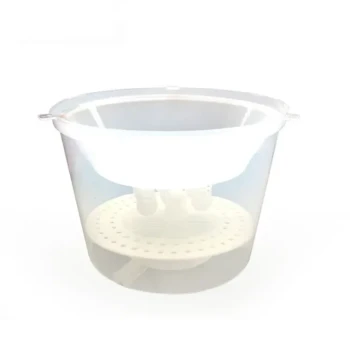
Oil Traps: High Effectiveness, High Effort
These traps rely on a reservoir of oil to drown beetles that fall or are chased into them.
The Advantages: They are noted for being highly effective at killing beetles once they enter the trap. They are generally considered a chemical-free method of control.
The Disadvantages: They require regular maintenance. The oil must be checked and replaced frequently to prevent it from becoming rancid or filled with debris, which reduces effectiveness.
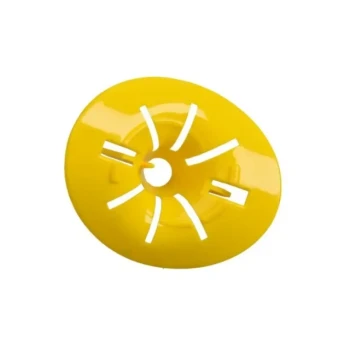
Pollen Traps: Strong Lure, Higher Risk
These traps utilize pollen as bait to draw beetles away from the honeycomb.
The Advantages: Like oil traps, they are effective at capturing beetles because the scent of pollen is a natural attractant for the pest.
The Disadvantages: They carry a significant risk of attracting more beetles to the hive. If not monitored closely, the strong scent can act as a beacon for beetles outside the hive, potentially increasing the infestation pressure.
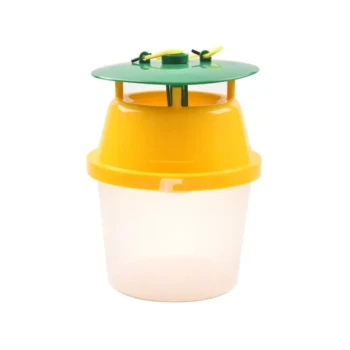
Beetle Blasters: Convenience Over Capacity
These are typically disposable devices designed to fit between the frames of the hive.
The Advantages: They are exceptionally easy to install and maintain. Their design allows for quick placement between frames where beetles naturally congregate.
The Disadvantages: They have limited capacity. In a heavily infested hive, a Beetle Blaster may not be sufficient to capture enough beetles to control the population effectively.
Common Pitfalls and Best Practices
The Necessity of Hygiene
Regardless of the trap type, you must keep the device clean. A clogged or dirty trap loses its efficiency and occupies valuable space within the hive without providing protection.
Strategic Placement
To maximize effectiveness, traps should be placed where beetles are most likely to enter or hide. This is usually near the entrance or between the frames at the top of the hive.
The Limits of Traps
Traps are tools, not cures. They work best when combined with maintaining strong colonies and reducing overall hive stress. Relying solely on traps without addressing weak colony health will likely result in failure.
Making the Right Choice for Your Goal
- If your primary focus is heavy infestation control: Use Oil Traps for their high efficacy, provided you can commit to a strict schedule of replacing the oil.
- If your primary focus is low-maintenance prevention: Choose Beetle Blasters, as they are easy to install and manage, though you should monitor them to ensure they aren't overwhelmed.
- If your primary focus is aggressive baiting: Consider Pollen Traps, but only if you monitor the hive constantly to ensure you aren't inadvertently drawing in more pests than you catch.
Successful beetle management is about consistency in monitoring rather than the specific hardware you choose.
Summary Table:
| Trap Type | Core Mechanism | Best For | Key Advantage | Main Disadvantage |
|---|---|---|---|---|
| Oil Traps | Oil reservoir drowning | High infestations | High killing efficacy | Demands frequent cleaning |
| Pollen Traps | Scent-based baiting | Aggressive baiting | Strong natural attractant | Risk of attracting more beetles |
| Beetle Blasters | Disposable frame insert | Low-maintenance prevention | Ease of installation | Limited capacity for heavy pests |
Scale Your Apiary Operations with HONESTBEE
Effective pest management is the foundation of a productive commercial apiary. At HONESTBEE, we empower commercial beekeepers and distributors by providing a comprehensive range of high-quality beekeeping tools, specialized machinery, and essential consumables designed for efficiency at scale.
From advanced hive-making and honey-filling machines to professional-grade hardware and honey-themed merchandise, our wholesale offerings are tailored to help you maintain healthy colonies and maximize yield.
Ready to upgrade your equipment or restock your inventory? Contact us today to discover how our industry-leading solutions can support your business growth.
Related Products
- Black Plastic Beetle Barn Hive Beetle Trap for Beehives
- Removable Washable Hive Beetle Trap Attractants for Small Hive Beetles
- Reusable Clear Small Hive Beetle Traps for Beehives Beetle Trapping Tools
- Reusable Aluminium Beetle Trap for Small Hive Beetles Silver Bullet
- Plastic Beetle Blaster Trap Beekeeping Tools and Supplies
People Also Ask
- How should powdered substances be used in beetle traps for hive beetle control? Expert Guide for Maximum Colony Protection
- What are the three main types of hive beetle traps? Expert Solutions for Protecting Your Bee Colonies
- What are the types of hive beetle traps available? Master Your Beetle Control Strategy
- What are the main types of hive beetle traps available? A Beekeeper's Guide to Effective Control
- What mechanical methods can be used to manage small hive beetles? Effective Physical Solutions for Your Beehive