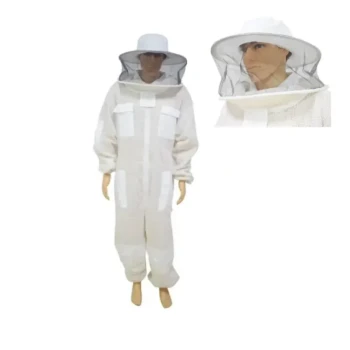
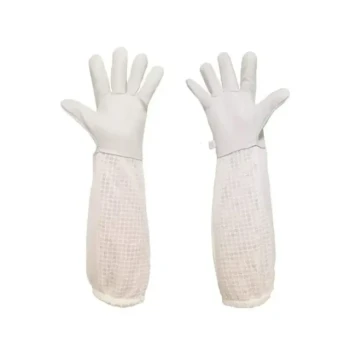
The primary purpose of beekeeping protective clothing is to ensure the safe handling of bees by creating a reliable physical barrier against stings. While safety is the immediate goal, this apparel is also engineered to be comfortable and practical, allowing the beekeeper to perform necessary hive tasks without distraction or injury.
Core Takeaway Protective clothing serves a dual function: it minimizes the risk of physical injury from stings and reduces the psychological stress of working with hives. This combination transforms beekeeping from a hazardous task into a manageable, sustainable operation.
The Role of Protection in Workflow
Creating a Physical Barrier
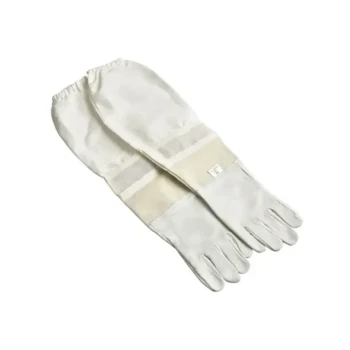
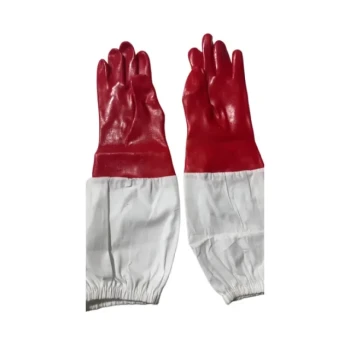
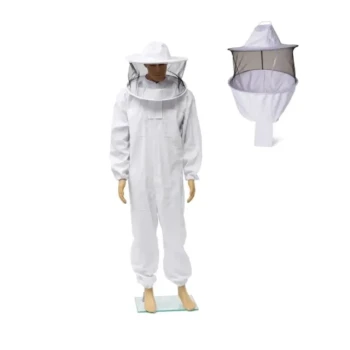
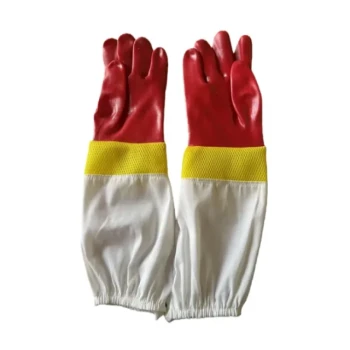
The fundamental function of this equipment is to shield the body from direct contact with bees. This includes veils to protect the eyes and face, gloves for the hands, and boots for the feet. By covering these vulnerable areas, the clothing prevents the immediate pain and potential allergic reactions associated with stings.
Enabling Professional Efficiency
Effective protective gear does more than just stop pain; it enables scale. Specialized fabric structures and secure designs allow beekeepers to transition from small-scale activities to industrial-grade operations. With proper protection, operators can work continuously across multiple apiary sites for extended periods without the physical stress or interruption caused by bee attacks.
Practicality and Tool Management
Modern beekeeping apparel is designed with the user's workflow in mind. High-quality suits often feature multiple pockets, allowing for the easy storage and retrieval of hive tools. This integration of utility ensures that safety gear does not hinder the practical aspects of hive management and honey harvesting.
Critical Construction Features
Securing Entry Points
The effectiveness of protective clothing relies heavily on how well it seals the body from the environment. A quality suit must feature tight elastic around the wrists and ankles. This specific design element is critical to prevent bees from crawling inside the clothing, which defeats the purpose of the barrier.
Durability and Maintenance
Beekeeping environments can be rugged, requiring clothing made from strong, durable materials. Features such as double-stitched seams ensure the longevity of the garment against wear and tear. Additionally, because hygiene is important in apiary management, the materials are typically chosen to be machine washable for easy laundering.
Understanding the Trade-offs
Full Suits vs. Jackets
A common dilemma is choosing between a full suit and a jacket with a veil. A full suit offers comprehensive protection from head to toe, ensuring no part of the body is exposed. Conversely, a jacket protects only the head and upper body, leaving the legs exposed but offering greater ventilation and ease of movement.
The Experience Curve
Many novice beekeepers initially purchase full suits, operating under the belief that total coverage is strictly necessary. However, there is often a natural transition as skills improve. Within the first year or two, as beekeepers gain confidence and "comfort with their bees," they frequently switch to jackets to prioritize mobility over maximum shielding.
Making the Right Choice for Your Goal
Selecting the right gear depends on balancing your experience level with your operational needs.
- If your primary focus is maximum safety: Opt for a full suit to ensure total body protection, which is ideal for beginners or those with high sensitivity to stings.
- If your primary focus is mobility and comfort: Consider a jacket with a veil, which offers sufficient upper-body protection while allowing for greater airflow and ease of movement.
- If your primary focus is long-term durability: Inspect the construction quality, specifically looking for double-stitched seams and robust elastic cuffs.
Ultimately, the best protective clothing is the one that gives you the confidence to manage your hives effectively and safely.
Summary Table:
| Feature | Purpose | Impact on Workflow |
|---|---|---|
| Physical Barrier | Prevents stings and allergic reactions | Reduces stress and allows focus on hive tasks |
| Secure Seals | Elastic wrists/ankles prevent bee entry | Ensures total protection during long operations |
| Durability | Double-stitched seams and rugged fabric | Long-lasting use in demanding environments |
| Utility Design | Integrated pockets for hive tools | Enhances efficiency during harvesting and inspections |
| Apparel Variety | Full suits vs. Jackets with veils | Balances maximum safety with mobility and airflow |
Scale Your Apiary Operations with HONESTBEE
At HONESTBEE, we understand that high-quality protective gear is the foundation of a successful beekeeping business. We specialize in supporting commercial apiaries and distributors with a comprehensive wholesale range of professional-grade beekeeping suits, tools, and industrial machinery.
Whether you need to outfit a large-scale workforce with durable safety apparel or require advanced hive-making and honey-filling machines to streamline your production, our portfolio has you covered. From essential consumables to honey-themed cultural merchandise, we provide the total solutions your business needs to grow.
Ready to upgrade your equipment? Contact us today to discuss our wholesale offerings and discover how our expertise can drive your apiary's success.
Related Products
- Premium Cotton Beekeeper Suit with Reinforced Fencing Veil
- White Cotton Beekeeping Jacket and Veil for Bee Keepers
- Beekeeping Jacket with Hood and Veil for Beekeepers
- Beekeeper Cowboy Hat and Veil for Beekeeping
- Premium Cowboy Beekeeper Hat with Visibility Veil Outdoor Professional Beekeeping Protective Gear
People Also Ask
- What material and design specifications are recommended for a high-quality beekeeper suit? Top Gear Selection Guide
- How to Pre-treat Propolis Stains on Beekeeping Suits? Master Advanced Fabric Care and Soil Removal
- What features should be considered for sting protection in a beekeeping suit? Ensure Total Safety and Comfort
- What are the differences between full suits and jackets with veils in beekeeping? Choose Your Best Protection
- What features should be looked for in a beekeeping suit for maximum comfort? Prioritize Ventilation and Fit