The primary purpose of using a 30-mesh screen during the initial extraction of stingless bee propolis is to mechanically separate crushed propolis slurry from the liquid solvent. This screen effectively retains coarse solid matter—such as undissolved impurities and large beeswax particles—while permitting the ethanol extraction liquid containing the target active components to pass through.
The 30-mesh screen acts as the foundational coarse filter in the purification pipeline. By removing bulk contaminants early, it prevents the clogging of downstream equipment and prepares the solution for subsequent fine filtration and concentration.
The Mechanics of Initial Separation
Managing the Slurry
During the initial extraction phase, the propolis exists as a crushed slurry. This mixture combines the raw, resinous hive material with a solvent, typically ethanol.
The 30-mesh screen serves as the first line of defense. It physically segregates the bulk solid mass from the fluid, ensuring that only the liquid phase moves forward in the process.
Targeting Specific Impurities
The specific weave of a 30-mesh screen is selected to catch coarse residues.
Standard impurities at this stage include undissolved solids and large particles of beeswax. Retaining these materials now is critical to preventing contamination in the final product.
Preserving Active Components
While the screen blocks solids, it must allow the extraction liquid to flow freely.
This liquid carries the dissolved active components of the propolis. The filtration process ensures these valuable compounds are harvested without being trapped in the waste material.
Understanding the Trade-offs
Balancing Flow Rate and Retention
Selecting a 30-mesh screen represents a balance between filtration speed and purity.
If a coarser screen (lower mesh number) were used, large beeswax particles and debris would pass through, potentially compromising the purity of the extract.
Conversely, a finer screen (higher mesh number) used at this initial stage would likely clog immediately due to the viscosity of the slurry, halting production.
The Limitation of Coarse Filtration
It is important to recognize that a 30-mesh screen is not a sterilization tool.
It removes physical debris but does not filter out microscopic particulates or microbial contaminants. It is merely a preparatory step for finer processing methods.
Making the Right Choice for Your Goal
To maximize the effectiveness of your extraction process, consider how this step aligns with your production targets:
- If your primary focus is Process Efficiency: Ensure your propolis is crushed to a uniform consistency before filtration to prevent uneven clogging of the 30-mesh screen.
- If your primary focus is High Purity: Treat the 30-mesh filtrate as an intermediate product that explicitly requires subsequent fine filtration to reach commercial standards.
Proper execution of this initial separation protects your equipment and ensures a higher quality yield for the final concentration steps.
Summary Table:
| Feature | Specification/Function |
|---|---|
| Screen Type | 30-Mesh (Coarse Filter) |
| Primary Role | Mechanical separation of slurry from liquid solvent |
| Targets | Undissolved impurities, large beeswax particles, coarse residues |
| Key Benefit | Prevents downstream clogging & protects fine filtration equipment |
| Solvent Used | Typically Ethanol (extracting active components) |
| Process Step | Foundational Initial Separation |
Elevate Your Beekeeping Operations with HONESTBEE
At HONESTBEE, we understand that precision in processing—from initial filtration to final packaging—is what sets professional apiaries apart. We offer a comprehensive suite of wholesale beekeeping tools and industrial machinery specifically designed for commercial success.
Whether you are a distributor looking for high-quality consumables or a commercial apiary needing specialized honey-filling and hive-making machines, our expert team is ready to support your growth. We provide the durable equipment you need to ensure every drop of propolis and honey meets the highest market standards.
Ready to scale your production?
Contact HONESTBEE Today to explore our full spectrum of beekeeping solutions and discover how our wholesale offerings can enhance your efficiency and profitability.
References
- Mahani, Kambang Sariadji. DISTRIBUTION AND COMPOSITION OF THE MAIN ACTIVE COMPONENTS FOUND IN STINGLESS BEE PROPOLIS FROM VARIOUS REGIONS IN INDONESIA. DOI: 10.22159/ijpps.2021v13i2.39521
This article is also based on technical information from HonestBee Knowledge Base .
Related Products
- 8 Frame and 10 Frame Propolis Trap Collector Screen for Propolis Collection
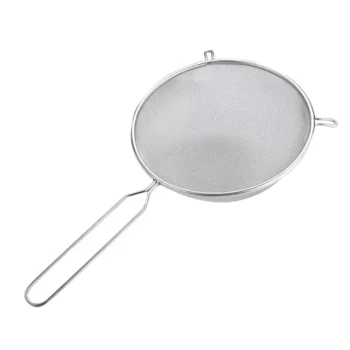
- Professional Stainless Steel Honey Filter with Support Handle
- Langstroth Screen Bottom Board for Beekeeping Wholesale
- Heavy Duty Stainless Steel Frame Cleaner with Plastic Handle
- Professional Stainless Steel Frame Cleaner with Ergonomic Wood Handle
People Also Ask
- Why is a specific wooden frame required when installing a propolis screen? Optimize Your Propolis Harvest Efficiency
- What are the advantages of using propolis collector screens? Elevate Your Harvest to Pharmaceutical Purity
- How do propolis collection screens work? Discover material specs for commercial harvesting equipment
- How does the mesh size of a propolis collection screen influence the efficiency of propolis harvesting? Optimize Yields!
- How do commercial-grade plastic screens compare to custom fine-mesh screens? Maximize Your Propolis Yield & ROI