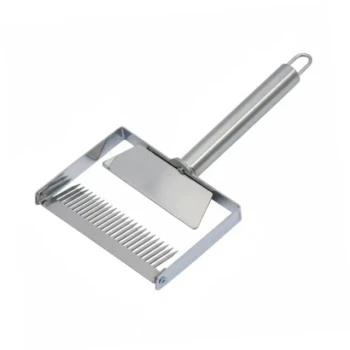
Uncapping is the precise mechanical removal of beeswax seals from honeycomb cells, a necessary step to expose honey for extraction. This process generally involves using specialized tools—such as heated knives, scratchers, or rollers—to slice or pierce the wax cappings without destroying the structural integrity of the frame.
Core Takeaway Uncapping is the "key" that unlocks honey for centrifugal extraction; without it, the honey remains trapped inside the comb. The goal is to remove the wax seal efficiently while minimizing damage to the drawn comb, allowing bees to reuse it later.
The Role of Uncapping in Extraction
Why Bees Cap Honey
Bees seal individual honeycomb cells with a thin layer of wax to preserve the honey once it has cured. This cap makes the cell airtight and watertight.
The Necessity for Centrifugal Extraction
If you are using an extractor that spins frames (centrifugal force), you must remove these caps. If the caps remain, the honey cannot flow out of the cells, rendering the spinning process useless.
When to Skip This Step
Uncapping is only necessary for centrifugal extraction. If you are using the "crush and strain" method or producing "cut comb" honey, you do not need to uncapping frames, as the comb is intentionally destroyed or sold whole.
Essential Equipment and Setup
The Stabilization Station
You cannot uncap effectively while holding a frame in mid-air. You need a collection vessel, such as a five-gallon bucket or a dedicated uncapping tank, equipped with a cross-piece or "comb capper."
Managing the Mess
This unit stabilizes the frame while you work and catches the dripping honey and wax cappings. Clean containers and protective gear (aprons, gloves) are highly recommended due to the stickiness of the process.
Selecting the Right Tool for the Job
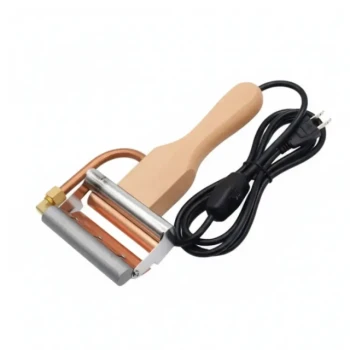
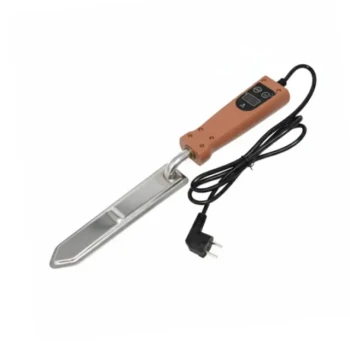
The Electric Heated Knife
This is the standard for efficiency. The blade heats up to melt through wax effortlessly, allowing for a clean, single-pass cut that speeds up the workflow significantly.
The Cold Knife
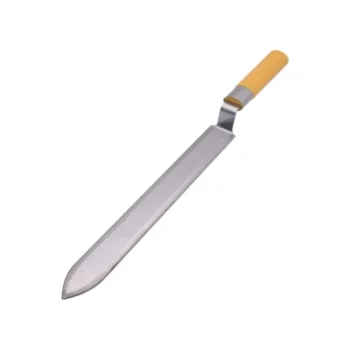
A non-electric alternative that relies on a sharp blade. To improve performance, you can dip the blade in very hot water, which helps it slide through the wax similarly to a heated version.
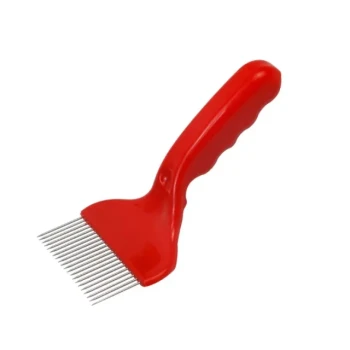
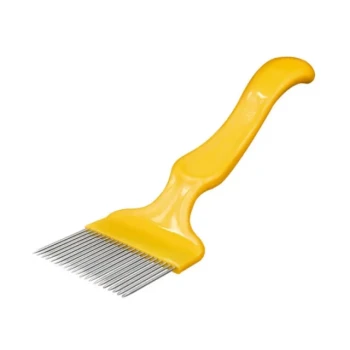
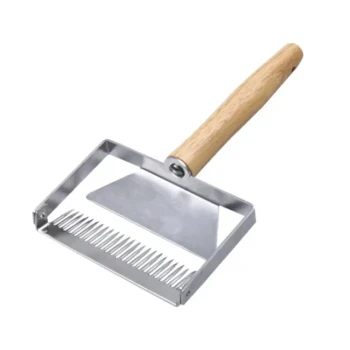
The Scratching Fork
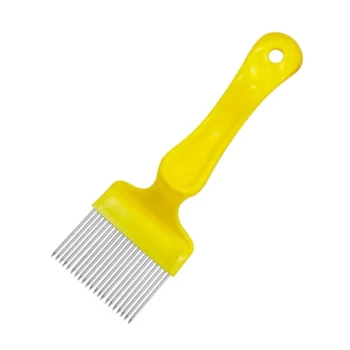
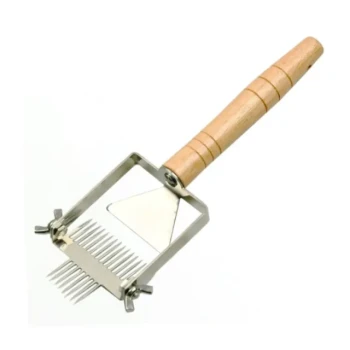
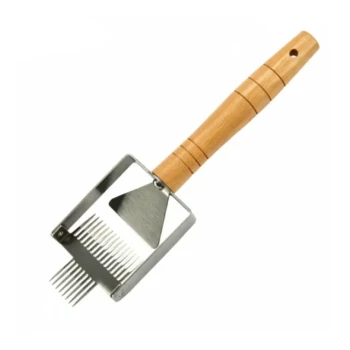
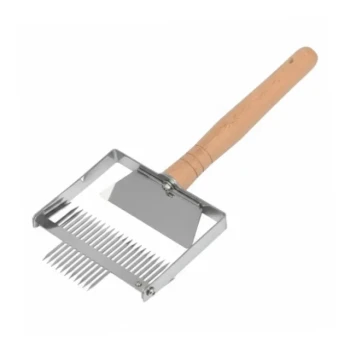
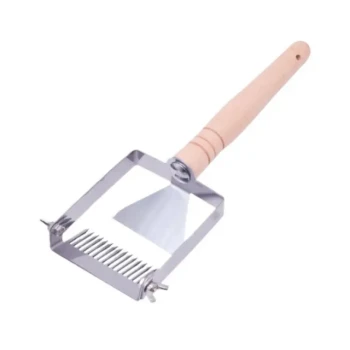
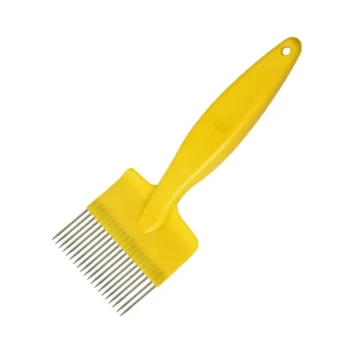
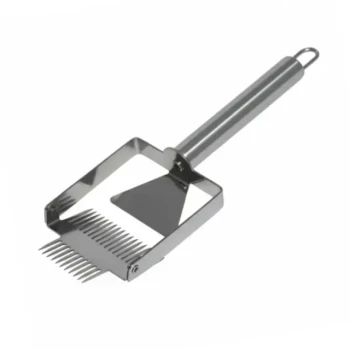
Often called a "capping scratcher," this looks like a hair-pick with wiry teeth. It is used primarily as a finishing tool to lift caps from low spots or uneven areas that the flat blade of a knife missed.
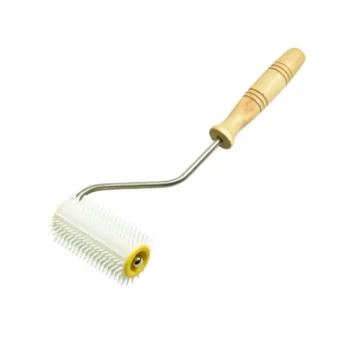
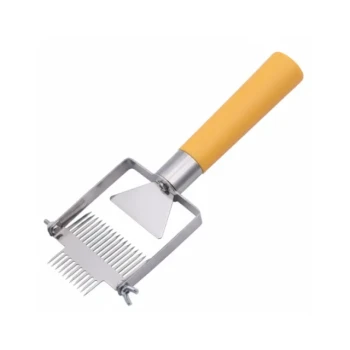
The Uncapping Roller
This tool is covered in small pins and works by piercing the caps rather than slicing them off. It is rolled over the frame in multiple directions to puncture the seal.
Understanding the Trade-offs
Speed vs. Precision
Electric knives are fast but require care; moving too slowly can scorch the honey. Cold knives eliminate the risk of heat damage but require a sawing motion that is physically demanding and slower.
Wax Harvest vs. Comb Preservation
Slicing tools (knives and slicers) remove a sheet of wax, providing you with harvestable beeswax but reducing the depth of the comb. Piercing tools (rollers) are non-invasive and preserve the most comb for the bees, but they result in very little wax byproduct for the beekeeper.
Making the Right Choice for Your Goal
The best method depends on the volume of honey you are processing and your priorities regarding equipment cost.
- If your primary focus is speed and volume: Use an electric heated knife to process frames quickly, followed by a scratcher for missed spots.
- If your primary focus is low cost or small scale: Use a cold knife dipped in hot water, as it is effective for a few hives without requiring electricity.
- If your primary focus is preserving drawn comb: Use an uncapping roller, as it opens the cells with minimal damage to the wax structure your bees built.
Effective uncapping strikes a balance between accessing the honey efficiently and preserving the valuable comb for future seasons.
Summary Table:
| Tool Type | Mechanism | Best For | Benefit |
|---|---|---|---|
| Electric Heated Knife | Heat & Slice | High-volume production | Fast, clean, effortless cuts |
| Cold Knife | Manual Slice | Small-scale / Low budget | Simple, no heat damage risk |
| Scratching Fork | Lift & Pierce | Finishing / Uneven spots | High precision for low spots |
| Uncapping Roller | Puncture | Maximum comb preservation | Minimal damage to drawn comb |
Maximize Your Honey Yield with HONESTBEE
At HONESTBEE, we specialize in empowering commercial apiaries and distributors with professional-grade beekeeping solutions. Whether you need high-capacity honey-filling machines, specialized hive-making equipment, or essential wholesale consumables, our comprehensive portfolio is designed to scale your operations.
Looking to upgrade your extraction workflow or stock premium beekeeping tools? Contact us today to discover how our industry-leading machinery and cultural merchandise can drive your business growth.
Related Products
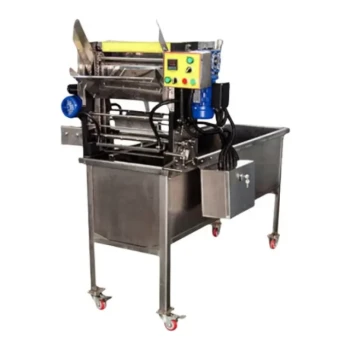
- Automatic Honey Frame Uncapper Machine for Beekeeping
- Lightweight Plastic Uncapping Roller with Tines
- Professional Honey Uncapping Roller for Efficient Harvesting
- Professional Wide Head Honey Uncapping Fork for Beekeeping
- Electric Adjustable Blade Honey Uncapping Plane
People Also Ask
- What is the primary goal when choosing an uncapping method? Maximize Honey Yield & Comb Integrity
- What is the process of uncapping frames in beekeeping? Master the Best Methods for Maximum Honey Yield
- How are honey frames prepared before extraction? Master the Hive-to-Honey-House Process
- What specialized tools are used to uncap honey frames prior to extraction? Top Uncapping Tools for Efficient Harvesting
- What are the essential tools and gear needed for uncapping honey frames? Maximize Your Harvest Efficiency