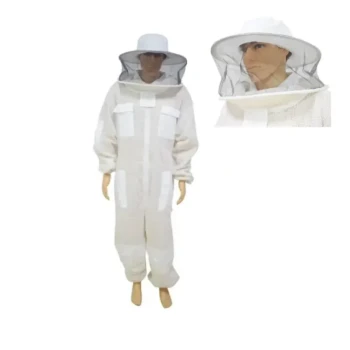
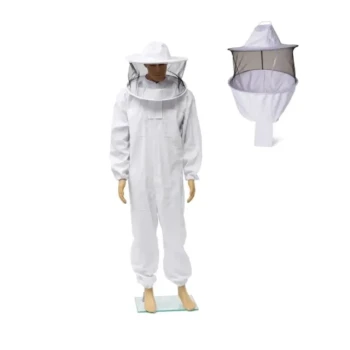
The primary purpose of a bee suit and gloves is to act as a defensive barrier protecting the beekeeper from bee stings. These specialized garments shield the skin from venom (apitoxin) and prevent injury during hive inspections, which can often agitate the colony and provoke defensive behavior.
Core Takeaway While the physical protection against stings is the most obvious function, the gear serves an equally critical psychological purpose. By neutralizing the fear of pain, the suit allows the beekeeper to remain calm and steady, preventing the erratic movements that often trigger further aggression from the hive.
The Physiology of Defense
Creating a Secure Barrier
The bee suit and gloves provide a physical layer that separates the beekeeper's skin from the colony. This is essential because routine tasks, such as prying open hive components, inevitably disrupt the bees. Without this barrier, the risk of receiving multiple stings increases significantly, which can be dangerous depending on the keeper's tolerance to venom.
Why the Face is a Specific Target
A jacket with a veil is critical because bees are evolutionarily wired to attack the face of mammalian intruders. Bees possess receptors on their antennae that detect carbon dioxide (CO2). They track the CO2 in your exhalations to locate your face, identifying you as a potential predator similar to a bear.
Protecting Vulnerable Extremities
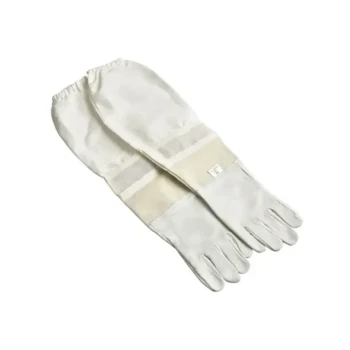
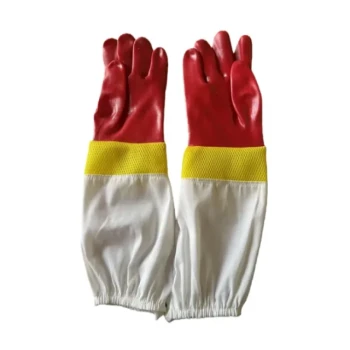
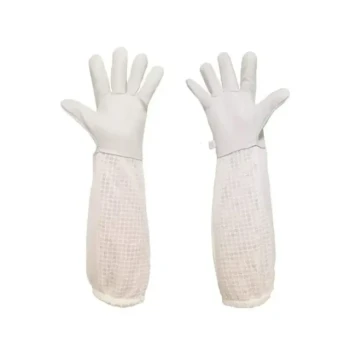
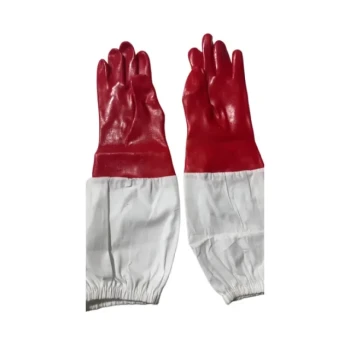
Gloves shield the hands, which are constantly in the "danger zone" while manipulating frames. Additionally, proper coverage prevents bees from crawling into clothing gaps. It is vital to ensure boots cover the ankles and overlap with the suit, as bees often crawl upward from the ground.
The Psychological Advantage
Mitigating the "Fear" Response
It is a common misconception that bees can "smell fear." In reality, they are detecting fear-related behaviors. A nervous beekeeper tends to breathe heavily, releasing more CO2, which attracts bees and incites stinging.
Building Operator Confidence
Wearing full protective gear breaks this cycle of anxiety. By knowing they are safe from stings, beginners can maintain a lower heart rate and breathe normally. This calmness makes the beekeeper less conspicuous to the bees, reducing the likelihood of a defensive swarm.
Enabling Proficiency
For new beekeepers, gloves are particularly recommended to establish confidence. They allow the operator to focus on learning proper handling techniques and tool usage without the distraction of dodging potential stings.
Understanding the Trade-offs
The Cost of Dexterity
While gloves provide safety, they come at the cost of tactile sensitivity. Thick protective gloves can make it difficult to feel delicate components or handle the hive tool precisely. This loss of dexterity can sometimes lead to clumsy handling or accidentally crushing bees, which releases alarm pheromones.
Comfort vs. Protection
Full suits can be hot, heavy, and uncomfortable. Experienced beekeepers may eventually trade full protection for lighter gear to gain comfort and better movement. However, sacrificing protection is a calculated risk that requires a deep understanding of bee behavior and personal venom tolerance.
Making the Right Choice for Your Goal
Whether you are a novice or managing a difficult apiary, the gear you choose dictates your safety margin.
- If your primary focus is learning and skill-building: Wear a full suit, veil, and gloves to maximize confidence and minimize the anxiety that triggers bee aggression.
- If your primary focus is managing defensive colonies: Utilize high-standard protective gear to ensure you can complete inspections efficiently without being forced to retreat by aggressive bees.
- If your primary focus is safety during harvest: Ensure there are no gaps between your boots and pants, as this is a common entry point for bees during high-activity periods.
The right protective gear transforms a hive inspection from a dangerous encounter into a manageable, controlled routine.
Summary Table:
| Feature | Primary Purpose | Key Benefit |
|---|---|---|
| Full Bee Suit | Physical Barrier | Prevents stings and keeps bees from crawling onto skin. |
| Veil & Mask | CO2 Shielding | Protects the face/eyes from bees tracking exhalation. |
| Beekeeping Gloves | Hand Protection | Allows safe manipulation of hive frames and tools. |
| Ankle/Wrist Seals | Entry Prevention | Blocks bees from entering clothing gaps while crawling. |
| Psychological Layer | Anxiety Reduction | Lowers CO2 output by keeping the keeper calm and steady. |
Elevate Your Apiary Safety with HONESTBEE
At HONESTBEE, we understand that high-quality protective gear is the foundation of a successful beekeeping operation. Whether you are a commercial apiary managing thousands of colonies or a distributor seeking reliable wholesale supplies, we provide the comprehensive solutions you need.
Our Value to You:
- Comprehensive Wholesale Range: From ventilated bee suits and premium gloves to professional-grade hive-making and honey-filling machinery.
- Industry Expertise: We supply essential consumables and specialized hardware designed for durability and operator comfort.
- Cultural Merchandise: Expand your retail offering with our unique honey-themed cultural products.
Ready to equip your business with the industry's best beekeeping tools? Contact us today to discuss your wholesale needs and let HONESTBEE support your growth.
Related Products
- Beekeeping Gloves Goatskin Leather with Long Cotton Sleeve for Beekeepers
- Goatskin Leather Beekeeper Gloves with Vent Long Sleeve for Beekeeping Honey Bee Sting Proof Protection
- Heavy Duty Red Rubber Beekeeping Gloves with Vented Mesh Cotton Sleeves
- Goat Skin Leather Bee Sting Proof Beekeeping Gloves with Canvas Sleeve
- Premium Ventilated Goatskin Beekeeping Gloves with Full 3-Layer Mesh Sleeve
People Also Ask
- What are the characteristics of the best gloves for beekeeping? Choose Protection & Dexterity
- What are the primary purposes of using beekeeping gloves? Protect Your Hands and Ensure Apiary Hygiene
- What types of gloves are available for beekeeping? Choose the Right Protection for Your Hive
- Why is it important for beekeepers to wear gloves? Essential Safety and Confidence for Hive Management
- Why do some experienced beekeepers opt not to wear gloves? Discover the Benefits of Tactile Precision